Austin, TX · Travis County
Fire and Smoke Damage Restoration in Austin, TXEmergency Board-Up Services & Soot Smoke Residue Cleanup
Fire and Smoke Damage Restoration in Austin begins with emergency board-up services, fire damage structural assessment and soot smoke residue cleanup.
Answered 24/7
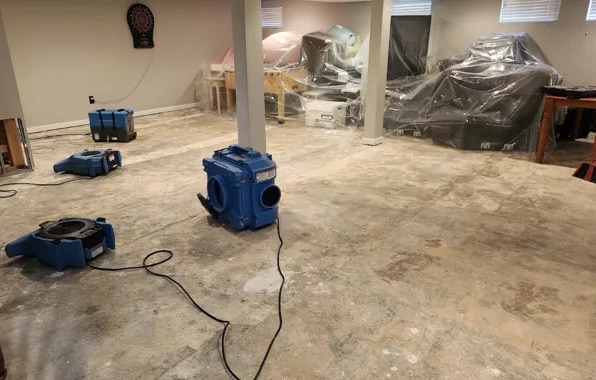
Local Fire and Smoke Damage Restoration Solutions in Austin
Fire and Smoke Damage Restoration runs in a set order, from soot and residue removal to rebuilding. Skipping a step usually means odor or staining comes back.
After a fire in Austin or nearby Rollingwood, West Lake Hills and Lost Creek, local fire damage restoration pros handle board-up, soot cleanup, odor removal, structural repairs and everything in between.
Fire and Smoke Damage Restoration Services in Austin
Emergency Board-Up Services
In Austin, securing the building keeps weather from adding water damage on top of the fire damage.
Soot Smoke Residue Cleanup
Pros identify whether the residue is dry, oily or protein-based, then choose the cleaning method so walls and belongings are not damaged further.
Structural Repair
For properties in Austin, repair runs from new framing through drywall and finish work to match the existing structure.
Fire Odor Elimination Services
Odor treatment works on the air and on absorbent materials, using equipment that releases oxidizers to break down trapped smoke particles.
Firefighting Water Damage Mitigation
Moisture meters find water that soaked into walls and subfloor during firefighting, and drying equipment is aimed at those spots.
Detecting Smoke Damage That Requires Professional Restoration
Peeling Paint or Wallpaper Bubbling
Paint or wallpaper lifting from walls is common after the heat and moisture of a fire.
Smoke Residue Inside Cabinets and Ducts
Soot inside closed cabinets or HVAC ducts shows smoke reached the whole house, not just the burned room.
Water Stains From Firefighting Efforts
Water marks and damp areas near the fire damage come from the firefighting water and need drying.
Warped Flooring or Buckled Floorboards
Warped or buckled floors usually took a mix of heat and firefighting water.
How Fire and Smoke Damage Restoration Works in Austin
Step 1: Documentation and Insurance Coordination
Pros photograph and measure the damage and write it up for your insurance claim.
Step 2: Controlled Demolition and Damage Containment
Materials that cannot be saved are removed under containment so soot does not spread.
Step 3: Cleaning of HVAC System and Ductwork
Ducts, registers and the HVAC unit are cleaned so the system does not keep blowing smoke odor through the house.
Step 4: Final Air Quality and Surface Testing
Air and surfaces may be tested after cleaning to confirm soot and odor are gone.
Frequent Causes of Smoke Damage Incidents
Wildfire Embers and External Exposure
Wind-blown embers from nearby wildfires can land on roofs and siding and ignite them.
Kitchen Cooking Fires and Grease Fires
Unattended stoves and grease fires are a leading cause of house fires and leave heavy, greasy soot.
Chimney Fires From Creosote Buildup
Creosote buildup in an uncleaned chimney can ignite and send heat and soot through the house.
Heating Equipment and Space Heater Issues
Space heaters and faulty furnaces are common fire sources, especially near curtains or bedding.
Fire and Smoke Damage Restoration for Homes and Businesses in Austin
Residential Fire and Smoke Damage Restoration
For homes in Austin, the work includes drying firefighting water, cleaning soot from walls and contents, and removing smoke odor.
Commercial Fire and Smoke Damage Restoration
For Austin businesses, soot removal experts handle the structural assessment, odor removal and repairs, with 24/7 availability for emergencies.
Fire and Smoke Damage Restoration vs. DIY: When to Call for Help
If the structure is safe, take out important items like documents and jewelry, wearing gloves and a mask. Do not try to clean heat- or smoke-damaged electronics or appliances.
Factors Influencing Fire and Smoke Damage Restoration Cost
A small kitchen fire and a whole-house fire are very different jobs. Size sets the amount of cleaning, repair and final cleaning.
Scope of Damage
The number of rooms and square footage affected sets the labor and materials needed.
Type of Residues
Soot from plastics or rubber is greasier and harder to clean than wood soot, so it takes different products and more time.
Decontamination Level
A basic wipe-down costs less than a full sanitizing clean of every surface.
Does Insurance Cover Fire and Smoke Damage Restoration?
Fire damage and smoke odor removal are generally insurable; your limits and endorsements set the coverage. Pros itemize the work, from board-up to final cleaning.
Benefits of Local Help for Fire and Smoke Damage Restoration in Austin
IICRC-Standard Methods
Soot cleanup and smoke treatment follow published industry standards, so each step can be checked.
Comprehensive Damage Assessment
The first inspection looks for hidden fire, smoke and water damage as well as what is visible.
Advanced Odor Elimination
Thermal fogging, ozone or hydroxyl treatment reaches smoke odor inside building materials and contents.
Emergency Fire Damage Response in Austin
Belongings are easier to save the sooner they are cleaned after a fire. Call (512) 726-0989 24/7 to start content cleaning.
Call Now (512) 726-0989Austin and Vicinity Fire and Smoke Damage Restoration Availability
The pros handle smoke cleanup and rebuilding in Austin and nearby communities including Rollingwood, West Lake Hills and Lost Creek.
Fire and Smoke Damage Restoration Common Questions Answered
How quickly should smoke remediation begin after a fire?
As soon as the property is safe to enter. Soot is acidic and can permanently stain and corrode surfaces.
Can smoke smell be permanently eliminated from a home?
Usually, once the residue is cleaned and the odor is treated with thermal fogging, ozone or hydroxyl equipment. Badly saturated materials may need replacing.
What happens during the fire odor elimination process?
The house is closed up and treated with equipment that breaks down odor particles in materials, usually alongside air scrubbing.
How does soot cleanup differ from regular cleaning?
It uses dry chemical sponges, solvents and specific tools that lift greasy, acidic soot without grinding it deeper.
What are emergency board-up services?
Covering broken windows, doors and roof openings with boards or tarps to keep out weather and intruders.
Complementary Damage Services in Austin
- AC Fire Restoration
- Charred Material Removal
- Commercial Fire & Smoke Cleanup
- Demolition of Fire-Damaged Structures
- Emergency Board-Up (Post-Fire)
- Emergency Fire Damage Assessment
- Fire-Damaged Contents Cleaning
- Garage Fire Cleanup
- HVAC Smoke Cleaning
- Heating Equipment Fire Restoration
- Kitchen Fire Cleanup & Restoration
- Nicotine & Smoke Residue Odor Removal
- Ozone Treatment for Electronics
- Smoke Damage Assessment
- Smoke Damage Sanitation
- Smoke Damage to Electronics Restoration
- Smoke Odor Removal
- Smoke Odor Removal from Hard Surfaces
- Smoke Ventilation Services
- Smoke-Damaged Drywall Repair
- Smoke-Stained Ceiling Cleanup
- Soot Damage Removal
- Structural Fire Damage Repair
- Thermal Fogging
- Vehicle Cleanup after Flood or Fire
- Whole-Building Fire & Smoke Odor Removal