Austin, TX · Travis County
HVAC Smoke Cleaning in Austin, TXHVAC Smoke Odor Removal & Post-Cleaning Air Testing
HVAC Smoke Cleaning in Austin covers HVAC component inspection, air duct soot removal, and post-cleaning air testing.
Answered 24/7
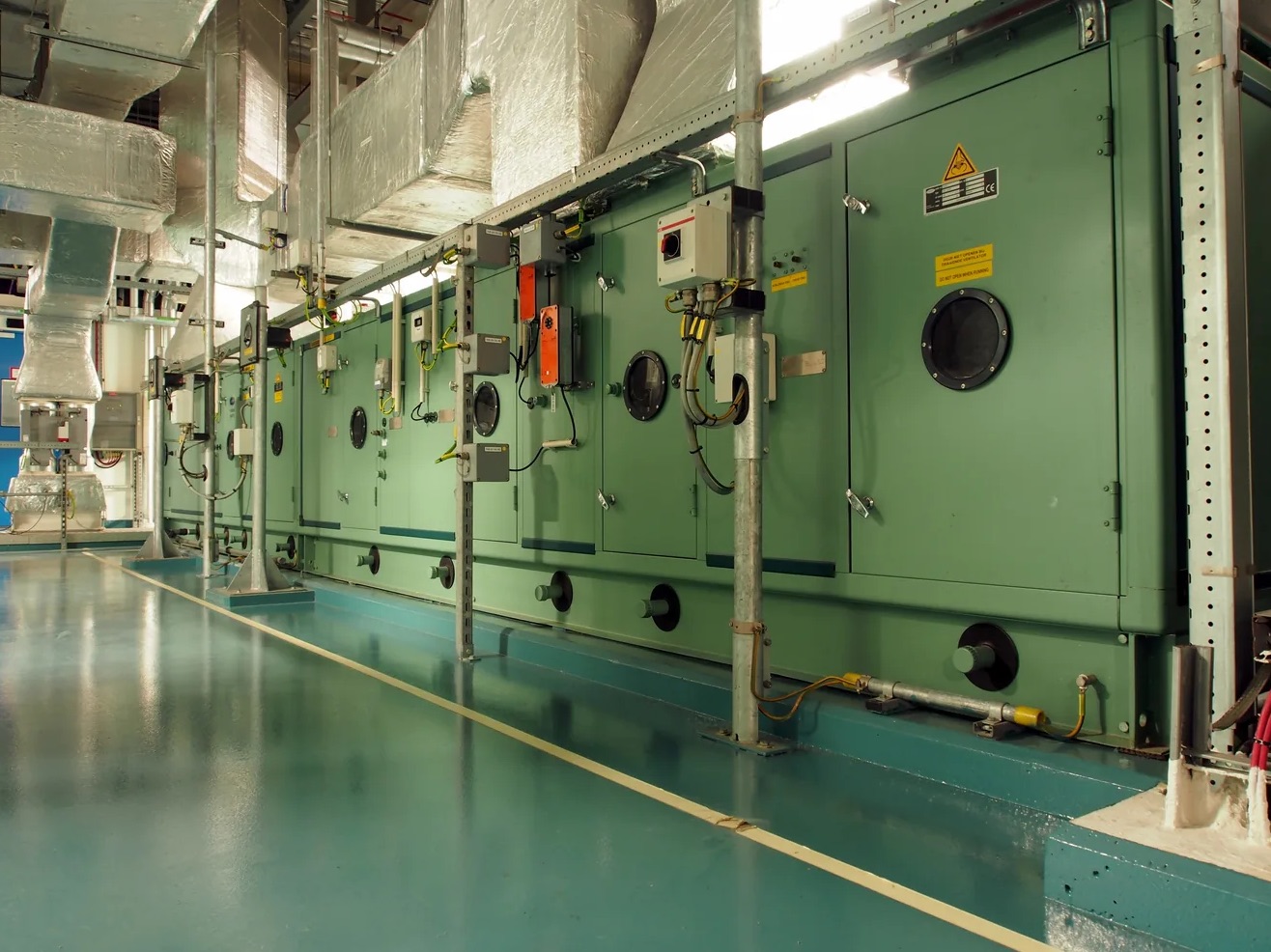
Local HVAC Smoke Cleaning Solutions in Austin, Texas
For buildings in Austin, smoke residue in the HVAC system can spread odor and soot every time it runs. Local HVAC system cleaning pros inspect how far it reached, then clean and, where needed, seal the ducts.
For HVAC deodorizing in Austin and nearby Rollingwood, West Lake Hills and Lost Creek, call local duct smoke cleaning experts. Duct sealing and air testing confirm air quality. They also clean air handlers and ducts.
Complete HVAC Smoke Cleaning Solutions for Austin
HVAC Smoke Odor Removal
Smoke odor that has settled into HVAC parts needs more than a filter change. The experts check how far it spread and treat the system with deodorizers.
Post-Cleaning Air Testing
After HVAC smoke cleaning is complete, verification is key. The experts can perform basic air testing at supply vents to check for particulate count, providing objective data that the system is clean.
Air Duct Soot Removal
Soot is a fine, oily dust that coats duct interiors after a fire. The experts use HEPA vacuums and brushes to loosen and remove it from ductwork in Austin.
HVAC System Decontamination
Decontamination prevents future operational issues caused by smoke residue. It involves treating the blower assembly, evaporator coil, drain pan, and other internal components your air flows through.
Ductwork Smoke Sealing
Sealing is a solution for porous or damaged duct materials that have absorbed contaminants. The experts use products designed for air ducts to lock in odors and prevent their release into the airstream.
Indicators Your HVAC Needs Smoke Cleaning
Soot Residue on Air Vents
Find dark, greasy soot particles accumulating on your supply and return air vents throughout the property.
Visible Soot in Ductwork
See a coating of black soot inside accessible ducts or around the air handler cabinet upon inspection.
Furnace or AC Short Cycling
HVAC equipment turns on and off too frequently, a potential sign of soot on sensors or components.
Smell When Fan Turns on
A distinct burnt odor is released into the air the moment the HVAC blower fan starts its cycle.
How HVAC Smoke Cleaning Works in Austin
Step 1: Comprehensive HVAC Component Inspection
A detailed HVAC component inspection identifies all areas impacted by soot, from the furnace cabinet to the farthest register in the building.
Step 2: Soot Removal From HVAC Ducts
The core task of soot removal from HVAC ducts involves advanced vacuum systems and cleaning tools to extract dry and greasy soot deposits.
Step 3: Air Filter Replacement Service
New filters that trap fine soot particles are installed throughout the system.
Step 4: Verification of Air Quality After Fire
An air quality check confirms the system runs without smoke odor or soot.
Events Leading to HVAC Smoke Cleaning Needs in Austin
Kitchen Grease Fire Residue
A cooking fire produces greasy, pungent smoke that sticks to ducts and is difficult to remove completely.
Candle or Incense Soot Buildup
Long-term burning of candles or incense releases fine soot that is pulled into HVAC returns over time.
Overheating Appliance or Wiring
An appliance like a dryer or faulty wiring smolders, producing smoke that is distributed by the air system.
House Fire Smoke Damage
Smoke from a structural fire is forced through ductwork by thermal pressure, coating all interior surfaces.
Both Residential & Commercial HVAC Smoke Cleaning in Austin
Residential HVAC Smoke Cleaning
In single-family homes, duct cleaning after fire stops the constant reminder of a traumatic event. The experts focus on HVAC smoke cleaning for the entire forced-air system, including hard-to-reach flex ducts. The process aims to eliminate the smell at its source, not mask it with air fresheners.
Commercial HVAC Smoke Cleaning
Multi-tenant buildings like apartments need HVAC smoke cleaning in common areas and individual units. The pros coordinate access to address all contaminated systems and prevent cross-contamination between spaces. This work addresses smoke contamination in ducts after an incident.
Professional HVAC Smoke Cleaning or DIY Cleaning in Austin
If a fire was extinguished quickly in one room, cleaning surfaces and monitoring air quality is a start. Checking a few vents by removing the cover can reveal visible soot. Discovering soot in ducts or a persistent smoky smell when the fan runs means scheduling HVAC smoke cleaning with local experts.
HVAC Smoke Cleaning Cost in Austin, TX
The price for HVAC smoke cleaning is shaped by the extent of soot deposits and whether air duct soot removal is required for the entire home.
Odor Penetration Depth
Smoke odor that has soaked into duct lining or insulation takes extra deodorizing steps.
Decontamination Scope
A full HVAC system decontamination versus a partial cleaning impacts the materials and procedures used by the experts.
Soot Contamination Level
Heavy soot removal from HVAC systems demands more intensive cleaning methods and can extend the project timeline and cost.
Does Insurance Cover HVAC Smoke Cleaning?
Coverage for HVAC system decontamination after a fire varies by policy. The experts assist by documenting the extent of smoke contamination in ducts. You must review your policy and speak with your adjuster.
Benefits of Local Experts for HVAC Smoke Cleaning
Thorough Decontamination Process
The HVAC system decontamination addresses both visible soot and lingering odors at the air handler and throughout ductwork.
Detailed Damage Documentation
Photos and notes of the smoke damage are provided to support your communication with your insurance provider.
Duct Sealing When Needed
Ductwork smoke sealing is performed if necessary to encapsulate residuals and prevent future odor issues from recurring.
24/7 HVAC Smoke Cleaning Assistance in Austin
Emergency HVAC smoke odor removal can protect your home from persistent soot. For assistance with HVAC system deodorization, contact the experts by calling (512) 726-0989 day or night.
Call Now (512) 726-0989HVAC Smoke Cleaning Near Austin: Areas Served
The experts provide HVAC smoke cleaning for residents throughout Austin and the surrounding communities including Rollingwood, West Lake Hills and Lost Creek.
Common HVAC Smoke Cleaning Questions Answered
How long does HVAC smoke cleaning take?
The timeline depends on system size and contamination level, but most residential HVAC system deodorization projects are completed in a day.
How often is HVAC cleaning needed after a fire?
A single professional HVAC smoke cleaning is usually sufficient if performed thoroughly. This includes complete decontamination and any necessary ductwork smoke sealing to address the contamination.
Should I run my HVAC after smoke damage?
Homeowners should turn the system off until cleaning is performed to avoid spreading soot and odors throughout the home via the ducts.
Why is HVAC smoke odor removal necessary?
Smoke odors can recirculate through your system, affecting air quality after fire. Professional removal eliminates the source to prevent persistent smells.
Can smoke damage my HVAC system?
Yes, smoke and soot can coat internal components, reduce efficiency, and cause corrosion, making HVAC smoke cleaning a protective measure.