Austin, TX · Travis County
Ceiling Water Damage Restoration in Austin, TXWet Ceiling Drywall Removal & Ceiling Moisture Inspection
Ceiling Water Damage Restoration in Austin includes ceiling leak water cleanup, ceiling drying services, and roof leak ceiling water removal.
Answered 24/7
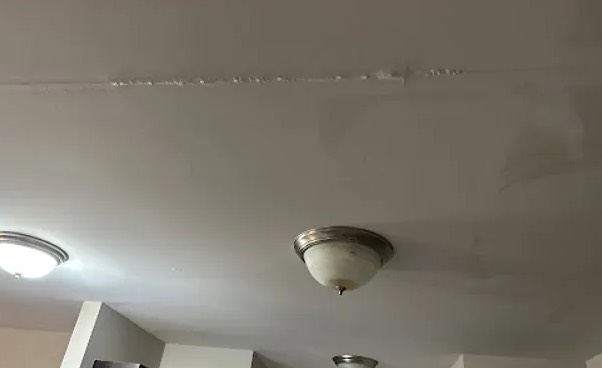
Professional Ceiling Water Damage Restoration in Austin, TX
Ceiling water damage repair in Austin must address both the visible water stain and the hidden saturation behind it.
Ceiling water damage restoration in Austin and nearby areas like Rollingwood, West Lake Hills and Lost Creek requires a methodical approach to address leaks and hidden moisture. Local water damage pros focus on preventing structural compromise and mold growth in these communities through extraction and drying.
Available Ceiling Water Damage Restoration Services Near You
Wet Ceiling Drywall Removal
Persistent moisture ruins ceiling drywall, which then has to be removed. Damaged panels are taken down so the framing above can dry.
Ceiling Moisture Inspection
Ceiling moisture inspections are critical for an accurate restoration plan. Pros use penetrating and non-penetrating meters to get precise readings of moisture content in drywall, wood, and other ceiling materials.
Ceiling Leak Water Cleanup
A ceiling leak often means pooled water above the drywall. The typical first step involves extracting all moisture from the ceiling cavity to prevent sagging drywall and structural compromise.
Ceiling Drying Services
Ceiling drying services involve strategic placement of drying equipment to circulate air above and below the affected plane. Moisture levels are checked daily.
Ceiling Mold Prevention
To prevent mold on a water-damaged ceiling, every trace of moisture must be removed. Humidity and material moisture are brought back to normal.
How to Know You Need Ceiling Water Damage Restoration
Soft Spots to the Touch
A ceiling that feels soft or spongy when pressed is waterlogged. Wet ceiling repair by local water restoration pros are urgently needed.
Sagging or Bubbling Drywall
A ceiling that sags or shows bubbling indicates trapped water. Wet ceiling drywall removal may be necessary to address the compromised area.
Peeling Paint or Texture
Paint or popcorn texture peeling from your ceiling is a moisture sign. This requires inspection to assess the extent of water damage.
Condensation on Light Fixtures
Moisture collecting inside or around a ceiling light fixture is dangerous. It points to high humidity in the ceiling.
How Ceiling Water Damage Restoration Works in Austin
Step 1: Emergency Ceiling Water Extraction
The process begins with removing standing water using truck-mounted or portable extractors.
Step 2: Comprehensive Moisture Inspection
Using moisture meters and thermal imaging, the experts map all affected areas, including hidden pockets.
Step 3: Targeted Drying and Dehumidification
Industrial air movers and dehumidifiers are positioned to create optimal drying conditions. This helps prevent mold and stabilizes the structure.
Step 4: Removal and Restoration Planning
Irreparably damaged drywall and insulation are removed. The experts then provide a clear plan for the final ceiling water damage repair and reconstruction phase.
Ceiling Water Damage: Typical Causes
Overflowing Bathtubs or Sinks
An accidental overflow from a second-floor bathroom can be a major incident. It needs extraction and drying.
Bathroom Vent Fan Exhaust
A bathroom fan that vents into the attic, not outside, deposits moist air. This promotes mold growth on ceiling materials and framing over time.
Failed Appliance Connections
A leaking washing machine, water heater, or ice maker line upstairs can fail. The water often travels along floor joists to damage the ceiling underneath.
Foundation or Wall Cracks
Water entering through foundation cracks can wick up through walls and, over time, reach lower ceilings and drywall.
Ceiling Water Damage Restoration for Homes and Businesses in Austin
Residential Ceiling Water Damage Restoration
Homeowners face risks from sagging, stained ceilings and potential electrical hazards from light fixture leaks. The pros address hidden moisture in insulation to prevent long-term air quality issues.
Commercial Ceiling Water Damage Restoration
Office buildings, retail stores, and warehouses require a strategic approach to water mitigation services. Documentation for complex commercial insurance claims is a key part of the service.
The Risks of DIY Ceiling Water Damage Restoration in Austin
After a storm, homeowners can visually inspect an attic for obvious water entry like wet insulation or drips. Taking photos helps with documentation. Determining the full moisture extent behind walls and in ceiling cavities requires professional moisture detection tools.
Factors Affecting Ceiling Water Damage Restoration Pricing
Labor intensity for emergency ceiling water extraction and the required drying time with specialized equipment are primary cost factors in Austin. The need for attic access or structural drying above the ceiling adds to project scope.
Ceiling Material Type
Drywall, plaster and textures like popcorn ceilings differ in material and labor costs.
Cosmetic Finish Restoration
After wet ceiling drywall removal and replacement, repainting, re-texturing, and ceiling water stain removal work contribute to the final restoration cost.
Equipment Requirements
The number of air movers, dehumidifiers, and moisture meters needed for ceiling drying services scales with the size and severity of the leak.
Does Insurance Cover Ceiling Water Damage Restoration?
Insurance may cover emergency water extraction and drying for water damaged ceiling drywall if the cause is a covered peril. The experts provide documentation of the mitigation process. Coverage decisions belong to the insurer, so homeowners should confirm with them.
The Value of Professional Ceiling Water Damage Restoration
Controlled Demolition Approach
Precise wet ceiling drywall removal preserves undamaged materials and allows for targeted drying of wooden framing, reducing overall repair scope and cost.
Thorough Water Extraction
Powerful truck-mounted or portable extractors remove bulk water from ceilings and insulation quickly, a critical first step in all water mitigation services.
Stain Removal Expertise
Stain treatments block mineral and tannin marks so they do not bleed through new paint.
Urgent Ceiling Water Damage Restoration When You Need It
If water is dripping or pooling from overhead, act now. Get emergency help from the pros for ceiling drying services by calling (512) 726-0989 anytime.
Call Now (512) 726-0989Ceiling Water Damage Restoration in Austin, Rollingwood, West Lake Hills and Lost Creek
After any leak in Austin, extraction and mold prevention come first. The pros offer these solutions to Austin and neighboring locations including Rollingwood, West Lake Hills and Lost Creek.
Your Ceiling Water Damage Restoration Questions, Addressed
What is included in professional ceiling drying services?
Services include setting up high-velocity air movers to evaporate moisture, dehumidifiers to remove water vapor from the air, and continuous monitoring with meters until materials reach dry standards.
Why is emergency water extraction important for a ceiling leak?
Rapid removal limits water weight that can cause drywall to sag or collapse, reduces absorption into insulation and framing, and shortens the overall ceiling drying services timeline.
How long does the ceiling drying process typically take?
Drying a water damaged ceiling drywall can take 2 to 5 days, depending on material thickness, insulation saturation, humidity levels, and airflow within the ceiling cavity.
Can ceiling water damage lead to structural problems?
Prolonged wetness can weaken wooden ceiling joists and rafters, potentially leading to sagging or compromised integrity. Proper drying of these structural elements is a key part of restoration.
What causes recurring ceiling leaks after previous repair?
Recurrence often points to an unresolved external source, like a persistent roof leak, or an internal plumbing issue that was not fully identified and repaired during the initial incident.