Austin, TX · Travis County
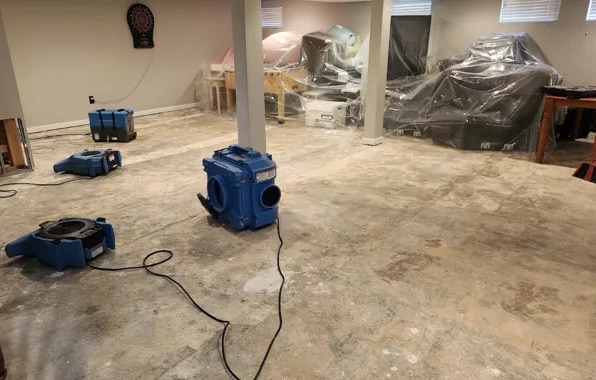
Structural Drying & Dehumidification in Austin, TXEmergency Flood Drying & Building Material Drying
Structural Drying & Dehumidification in Austin includes emergency flood drying, concrete slab drying and ceiling cavity drying.
Answered 24/7
Expert Structural Drying & Dehumidification in Austin, Texas
Porous materials in Austin homes hold water deep inside, and saturated slabs and framing weaken over time. Local water damage pros use high-capacity dehumidifiers to reach visible and hidden moisture.
Water-damaged properties in Austin and nearby areas like Rollingwood, West Lake Hills and Lost Creek often have hidden moisture in wall cavities, subfloors or slabs. The pros dry these areas and can explain each step before work begins.
Detailed Structural Drying & Dehumidification for Austin Properties
Emergency Flood Drying
After major water intrusion, pros set up industrial dehumidifiers and air movers to dry the building quickly.
Building Material Drying
Studs and joists are dried in place while humidity is managed closely to save them.
Hardwood Floor Drying
Pros use drying mats and dehumidifiers with daily moisture checks to save wood floors from cupping and warping.
Subfloor Moisture Extraction
Pros dry water trapped under finished flooring to prevent rot and protect the floor structure.
Crawl Space Dehumidification
Excess crawl space moisture causes wood decay and draws pests, so pros set up systems to keep it dry.
Warning Signs You Need Structural Drying & Dehumidification
Water Pooling in Crawl Space
Standing water in the crawl space damages floor framing and the foundation over time.
Soggy or Spongy Subfloors
Floors that feel spongy underfoot have a soaked subfloor that needs drying.
Peeling Paint or Wallpaper
Peeling paint or wallpaper is a common sign that moisture got behind the surface.
High Indoor Humidity
A clammy feel indoors after a leak shows humidity is too high for materials to dry.
How Structural Drying & Dehumidification Works in Austin
Step 1: Emergency Drying Response
Pros assess how far the water spread and choose which areas to dry first to limit further damage.
Step 2: High-Efficiency Moisture Extraction
Extraction equipment pulls water out of soaked subfloors and wall cavities before drying starts.
Step 3: Targeted Structural Drying Process
Air movers and dehumidifiers create steady drying conditions for concrete slabs and hardwood floors.
Step 4: Final Drying Validation
Moisture readings confirm every material is dry before the equipment is removed and repairs begin.
Reasons for Dehumidification in Austin Homes
Construction Defects or Leaks
Faulty flashing or poorly installed windows let water in slowly, where it stays hidden.
Appliance Malfunction or Overflow
A failing water heater, washing machine or dishwasher can release a lot of water suddenly.
Roof Leaks During Storms
Wind-driven rain or damaged shingles let water into the attic and ceiling cavities.
Sewage Backup or Overflow
A sewer backup brings contaminated water that must be removed before drying begins.
Residential and Commercial Structural Drying & Dehumidification in Austin
Residential Structural Drying & Dehumidification
Crawl space and subfloor drying protect a home's foundation and air, and pros record moisture readings for your claim.
Commercial Structural Drying & Dehumidification
Commercial drying covers complex building systems, with photos and moisture readings provided for your business and insurance records.
The Limits of DIY Structural Drying & Dehumidification in Austin
A wet-dry vacuum works for small, contained spills on hard floors. Soaked carpet, concrete slabs or ceiling cavities need professional dehumidifiers and moisture extraction to dry fully.
Structural Drying & Dehumidification Cost in Austin, TX
A large emergency drying job costs more than drying one ceiling cavity, and equipment days are part of the bill.
Emergency Service Timing
Work started at night, on weekends or on holidays may be priced higher than weekday work.
Access and Confinement
Tight crawl spaces and closed ceiling cavities are harder to reach and may need special setups.
Type of Materials Involved
Porous drywall and insulation hold more water and sometimes must be removed as well as dried.
Does Insurance Cover Structural Drying & Dehumidification?
Crawl space drying may be covered when the water came from a sudden event, but rarely for humidity or poor ventilation. The pros in Austin supply the records.
The Value of Structural Drying & Dehumidification from Water Damage Pros in Austin
IICRC-Standard Drying Methods
Drying follows accepted industry methods so materials reach measured dry targets before work ends.
Industrial-Grade Equipment
Large air movers and dehumidifiers dry far faster than household fans and units.
Moisture Remediation Focus
The goal is full drying of hidden materials, not just removing the visible water.
Urgent Structural Drying & Dehumidification Available in Austin
If you have active flooding, time matters. Call (512) 726-0989 for emergency drying in Austin, and pros can start water removal day or night.
Call Now (512) 726-0989Structural Drying & Dehumidification Near Austin: Areas Served
Drying and dehumidification are available for properties in Austin and nearby communities like Rollingwood, West Lake Hills and Lost Creek.
Structural Drying & Dehumidification Information FAQs
Does fast drying prevent lasting damage?
Yes. Removing water quickly stops swelling, rot and odors and is the most important step after a leak.
How is moisture extraction measured and verified?
Moisture meters check materials and air, and drying is complete when readings meet dry standards for each material.
How does emergency drying differ from standard drying?
The methods are the same, but emergency drying starts, even after hours, to limit loss.
Can dehumidification services help with musty odors?
Yes. Musty odors come from damp materials, and drying them removes the source of the smell.
What happens during property drying monitoring?
Pros return to check moisture readings, adjust equipment and give updates until the space is dry.