Austin, TX · Travis County
Smoke Odor Removal in Austin, TXThermal Fogging Odor Treatment & Smoke Odor Neutralization Service
Smoke Odor Removal for Austin often involves ozone generator odor removal, smoke residue surface cleaning and HVAC duct smoke cleaning after a fire.
Answered 24/7
Get Smoke Odor Removal Help in Austin, TX Today
For any home in Austin, cleanup after a fire must include strong odor control. Smoke odor is not just unpleasant; it can keep irritating the people who live there.
In Austin and nearby Rollingwood, West Lake Hills and Lost Creek, removing fire odor is important after any fire. Local smoke damage specialists use ozone generators and sealers to remove lasting smells across ZIP codes 78701, 78702, 78703, 78704, 78705, 78712, 78722 and 78741.
Complete Smoke Odor Removal Solutions for Austin
Thermal Fogging Odor Treatment
The fog reaches porous materials that cleaning cannot and breaks down odor molecules where they are stored.
Smoke Odor Neutralization Service
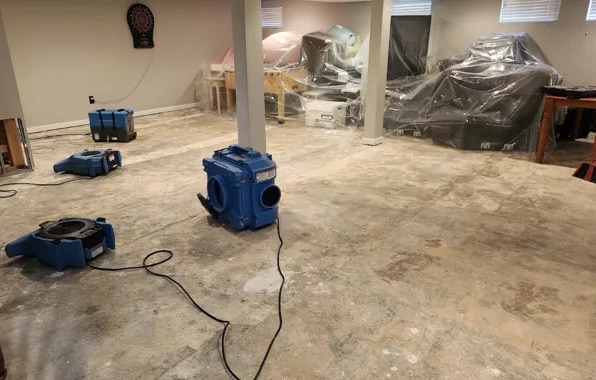
The specialists run commercial HEPA air scrubbers to capture smoke particles moving through the home's air.
Ozone Generator Odor Removal
Ozone is used only in unoccupied, controlled spaces under strict safety steps, leaving no masking scent behind.
Smoke Residue Surface Cleaning
Every affected surface is cleaned with solutions that lift and trap soot particles so odors do not come back.
Emergency Smoke Odor Containment
Pros close HVAC vents and isolate rooms with plastic sheeting to keep odor from spreading after a fire.
Warning Signs You Need Smoke Odor Removal
Odor Intensifies With Heat or Humidity
A fire smell that gets stronger on warm or humid days means odor is stored in materials.
Irritated Eyes or Respiratory Discomfort
Coughing or burning eyes indoors point to smoke particles still in the air.
New Odors Emerging Over Time
A sour, stale smell weeks after a fire means residue is still breaking down somewhere.
Health Symptoms in Family Members
Headaches or allergies at home after a fire are a reason to deal with the smoke smell.
How Smoke Odor Removal Works in Austin
Step 1: First Call and Odor Source Containment
The specialists contain affected areas first so odor does not spread to clean rooms during cleanup.
Step 2: Dry and Wet Soot Extraction Process
Specialized vacuums and sponges remove dry and wet soot so surfaces are ready for deodorizing.
Step 3: Ozone Generator Odor Oxidation Cycle
For severe odors, an ozone cycle runs in sealed areas to destroy odor molecules chemically.
Step 4: Final Cleaning and Reinstallation of Contents
A final cleaning is done and cleaned belongings are put back in place.
Common Causes of Smoke Odor in Austin
Kitchen Grease Fire Damage
Grease fires produce oily smoke that coats surfaces with sticky, strong-smelling residue.
Furnace or Water Heater Malfunction
A faulty furnace or water heater can puff smoke and soot into the home.
Wildfire Smoke Infiltration
Wildfire smoke can enter through small openings and leave odor-causing particles behind.
Tobacco Smoke Accumulation Over Years
Years of tobacco smoke soak into materials and contents and are hard to remove.
Property Smoke Odor Removal Solutions in Austin, TX
Residential Smoke Odor Removal
After a home fire, odor lingers in closets and storage areas. Experts in Austin use ozone in closed spaces and clean residue from building materials.
Commercial Smoke Odor Removal
Warehouses and factories have odor on high ceilings and equipment, so pros scale up with industrial air scrubbers and sealers.
Why DIY Often Fails for Smoke Odor Removal in Austin
Once it is safe, remove dry, loose soot from flat surfaces with a dry chemical sponge and discard badly damaged, low-value items. Fogging, ozone and sealers are professional services only.
Factors Influencing Smoke Odor Removal Cost in Austin
Cost depends on how severe the fire was, what burned and how long soot sat. Sealing or duct cleaning adds to the total.
Structural Material Types
Upholstery and drywall absorb odor more than hard surfaces and need stronger treatment.
Content Cleaning Scope
The number and type of belongings that need cleaning affects materials and the timeline.
Required Deodorization Methods
Using several methods, like air purification, ozone and sealers, adds equipment and materials.
Does Insurance Cover Smoke Odor Removal?
Whether insurance covers fire odor removal depends on your policy and the cause of the smoke. The specialists in Austin document the affected areas to support your claim.
The Value of Local Smoke Odor Removal Experts in Austin
Source Identification Focus
Every odor source is found, from obvious residue to hidden spots, so the plan covers it all.
Advanced Air Purification Technology
Hydroxyl generators and HEPA filtration clean smoke odor and particles out of the air.
Documentation for Insurance
The damage and every step of the work are documented for your insurance claim.
24/7 Emergency Smoke Odor Removal in Austin
Lingering fire odor needs prompt treatment. To start emergency odor removal, including thermal fogging setup, contact the specialists around the clock at (512) 726-0989.
Call Now (512) 726-0989Smoke Odor Removal Near Austin: Areas Served
Containment, cleaning and deodorizing after a fire are available in Austin and areas like Rollingwood, West Lake Hills and Lost Creek.
Smoke Odor Removal FAQs
Are smoke cleanup services needed for a small kitchen fire?
Yes. Even a small kitchen fire spreads greasy soot and odor through vents into nearby materials.
What happens during post fire cleaning?
Soot removal, contents cleaning, deodorizing the structure and air, and a final check that odors are gone.
How is smoke residue surface cleaning performed?
With chemical sponges, cleaners and methods suited to the soot type, from dry wiping to agitation for tough residue.
How is odor removal after fire different from regular cleaning?
It targets microscopic odor molecules with neutralizers and sealers, far beyond the visible dirt regular cleaning removes.
How does thermal fogging work for odor treatment?
A heated deodorizer forms a fog that travels into materials like smoke did and neutralizes odor trapped in upholstery and wood.