Austin, TX · Travis County
Post-Remediation Clearance Testing in Austin, TXPost Remediation Visual Assessment & Clearance Testing For HVAC Systems
Post-Remediation Clearance Testing in Austin involves post remediation visual assessment, clearance testing for insurance and clearance testing for HVAC systems, with lab spore counts.
Answered 24/7
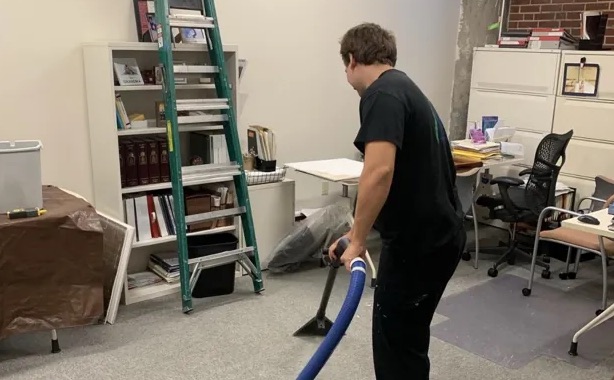
Post-Remediation Clearance Testing Solutions in Austin, Texas
A proper clearance inspection goes beyond a quick look. It uses testing to confirm that affected materials were removed, containment worked and the area is dry.
Post-Remediation Clearance Testing in Austin uses lab spore counts and a visual assessment to confirm remediation worked. Local post-remediation clearance testing pros serve Austin and communities like Rollingwood, West Lake Hills and Lost Creek with clearance inspections.
Post-Remediation Clearance Testing Services in Austin
Post Remediation Visual Assessment
The visual assessment is the first clearance step. Pros check that the area is clean and that affected materials were removed.
Clearance Testing for HVAC Systems
The heating and cooling system can spread spores, so duct air samples are compared with general indoor air.
Clearance Testing for Insurance
Insurers often want proof before closing a claim. Clearance testing provides data showing the remediation was done properly.
Post Remediation Moisture Verification
Walls, floors and ceilings are checked with moisture equipment to confirm the leak is fixed and the building is dry.
Post-Remediation Clearance Report
The report combines sample data, inspection notes and lab results as the record that the remediation met accepted standards.
Red Flags for Post-Remediation Clearance Testing in Austin
Condensation on Windows
More condensation on windows means indoor moisture is higher than it should be.
Inconsistent Room Temperatures
Rooms that feel damper or colder than others may have hidden moisture in the materials.
Unexplained Health Complaints
Headaches or breathing irritation after remediation are a reason to have the air sampled.
Poor HVAC Airflow
Weak airflow from vents can mean dust or spores were left in the ductwork after cleaning.
How Post-Remediation Clearance Testing Works in Austin
Step 1: Initial Site Evaluation and Planning
Pros review the remediation scope and plan which areas and surfaces need testing.
Step 2: Conducting Mold Clearance Air Testing
Calibrated pumps collect air samples that show whether spore counts are at acceptable levels.
Step 3: HVAC System and Surface Clearance Testing
HVAC supply and return air is tested, and surface samples are taken from walls, studs and contents.
Step 4: Final Review and Pass/Fail Determination
Lab results and visual findings are reviewed, and the report states whether the area passed.
Sources of Mold Needing Clearance Inspection in Austin
No Post-Work Moisture Verification
Without moisture checks, dampness left in wall cavities or subfloors goes unnoticed.
Lack of Final HEPA Vacuuming
Skipping the final HEPA vacuuming leaves dust and spores that lower air quality.
Hidden Moisture Sources
Hidden plumbing or roof leaks can keep wetting materials after visible mold is removed.
Insufficient Air Scrubbing
Too little air filtration during cleanup leaves spore counts high, and they settle on surfaces.
Home and Business Post-Remediation Clearance Testing in Austin
Residential Post-Remediation Clearance Testing
In kitchens and laundry rooms, testing focuses on areas near plumbing and appliances, and the report helps answer future insurance questions.
Commercial Post-Remediation Clearance Testing
Warehouses and industrial buildings often need clearance testing for insurance after large water damage events, and the report helps close the claim.
Calling Local Pros for Post-Remediation Clearance Testing in Austin
After remediation, open windows and run fans when the weather allows to improve air exchange. Measuring airborne spores, though, takes post-remediation clearance testing pros with proper sampling equipment.
Factors in Post-Remediation Clearance Testing Pricing for Austin
Air sampling in Austin is priced by the number of samples and the size of the contained area being tested.
Local Lab Fees
Third-party lab fees for spore counts depend on how many samples are sent.
Accessibility Challenges
Tight crawl spaces or high ceilings make sampling slower and more labor-intensive.
HVAC System Complexity
Multiple air handlers or long duct runs need more samples and equipment to test.
Does Insurance Cover Post-Remediation Clearance Testing?
Coverage for air sampling is not universal and often depends on whether the original water damage was a covered event. Your insurer decides, and the pros' clearance report supports the claim.
Advantages of Post-Remediation Clearance Testing from Local Pros in Austin
IICRC-Standard Testing Protocols
The pros follow accepted sampling methods for air and surfaces so results are accurate and reliable.
Focus on Indoor Air Quality
The main goal is confirming that indoor air quality is back to acceptable levels.
Detailed Clearance Documentation
You get a formal report with lab data and findings showing whether the area is ready.
Around-the-Clock Emergency Post-Remediation Clearance Testing in Austin
Need a remediation job verified tonight or this weekend? Call the pros at (512) 726-0989 in Austin for moisture checks and a clearance inspection on short notice.
Call Now (512) 726-0989Post-Remediation Clearance Testing Service Area Including Austin
Residents of Austin can get clearance testing to confirm remediation worked, and the pros also serve Rollingwood, West Lake Hills and Lost Creek.
Post-Remediation Clearance Testing FAQs
How long does post remediation verification take?
On-site sampling usually takes a few hours, and lab results for spore counts typically come back in 24 to 48 hours.
What standards guide post remediation air sampling?
Sampling follows accepted industry methods, often referencing EPA or AIHA guidance on the number and placement of samples.
How is indoor air quality testing performed after mold removal?
Indoor and outdoor air samples are collected and compared, and indoor levels should be at or below outdoor levels.
What does post remediation moisture verification involve?
The pros use moisture meters and thermal imaging on walls, floors and ceilings to confirm they are dry.
How soon after remediation can clearance testing be done?
Only after all remediation work is finished, the area is dry and the equipment has been removed.