Austin, TX · Travis County
Mold Structural Damage Restoration in Austin, TXHVAC Duct Mold Cleaning & Subfloor Mold Remediation
When mold causes structural damage in Austin, Mold Structural Damage Restoration involves mold infested drywall removal, structural wood mold treatment, and HVAC duct mold cleaning.
Answered 24/7
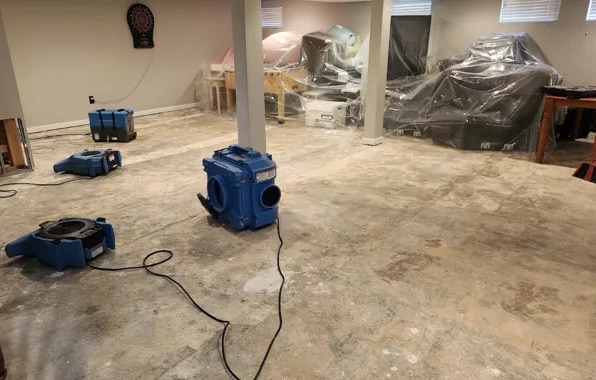
Mold Structural Damage Restoration Experts Serving Austin
Structural damage from mold in Austin can silently spread through walls and floors, requiring immediate attention to halt deterioration and protect your investment. Black mold removal is often part of the work.
Across Austin and nearby Rollingwood, West Lake Hills and Lost Creek, the work often includes duct cleaning and drywall removal. ZIP codes 78701, 78702, 78703, 78704, 78705, 78712, 78722 and 78741 see these services regularly. Local mold removal specialists perform the work. From the first call to (512) 726-0989 through the final walkthrough, Austin property owners can ask questions at each stage.
Mold Structural Damage Restoration Services in Austin
HVAC Duct Mold Cleaning
Dark, damp ductwork is a common place for mold. Cleaning uses tools that reach deep into the system and remove mold without blowing it into the living space.
Subfloor Mold Remediation
The pros locate the source of subfloor mold. They remove damaged plywood, treat the joists below and dry the area.
Mold Contaminated Insulation Removal
The pros perform full insulation removal. They extract all contaminated batts or blown-in material to clear the way for a fresh layer.
Structural Wood Mold Treatment
For homes in Austin with mold on framing, the wood is cleaned and treated. The pros use specialized cleaners and drying techniques to salvage the wood whenever possible, avoiding costly full replacement.
Emergency Mold Containment Setup
The pros erect plastic barriers at a project's start. They use negative air machines with HEPA filtration to create a sealed work zone.
Symptoms Requiring Mold Structural Damage Restoration in Austin
Flooring That Feels Spongy
Soft spots underfoot on laminate, tile, or wood floors often point to subfloor mold damage.
Musty Odors in Specific Rooms
A persistent earthy smell often signals hidden mold growth within walls, floors, or HVAC systems.
HVAC System With Dusty Smell
Mold in air ducts often circulates a dusty, musty odor whenever the heating or cooling runs.
Warping or Bubbling Drywall
When drywall softens, bulges, or shows bubbles, moisture and mold are likely inside the cavity.
How Mold Structural Damage Restoration Works in Austin
Step 1: Mold Inspection and Damage Assessment
The pros begin with a detailed inspection, using tools to map moisture and locate all mold damage within the structure.
Step 2: Emergency Mold Containment Setup
To prevent spore spread, pros establish containment with barriers and negative air machines, isolating the work area from the rest of the property.
Step 3: Structural Mold Removal and Treatment
Affected materials like drywall, insulation, and wood are removed or treated. This includes removing drywall and treating structural wood.
Step 4: Post-Remediation Structural Drying
Drying equipment removes the remaining moisture from the structure so mold does not return.
Common Causes of Mold Structural Damage
Poor Bathroom Ventilation
Shower steam with no exhaust fan leads to moisture buildup on walls and ceilings, encouraging mold.
High Indoor Humidity Levels
Consistent humidity above 60 percent allows mold spores on surfaces to germinate and colonize materials.
Chronic Plumbing Leaks
Slow drips inside walls or under floors provide constant moisture, leading to extensive structural mold damage over time.
Condensation in HVAC Ducts
Temperature differences in ductwork can create condensation, leading to mold growth inside the air distribution system.
Mold Structural Damage Restoration for All Property Types in Austin
Residential Mold Structural Damage Restoration
Homeowners face risks from mold in structural wood, like support beams and studs, which compromises safety. Local pros treat structural wood and dry the home to protect it and the indoor air.
Commercial Mold Structural Damage Restoration
Commercial properties need mold removed to meet health rules and protect the building. The experts set up containment and remove large areas of damaged flooring.
Mold Structural Damage Restoration vs. DIY: When to Call Local Specialists
You can safely improve ventilation by using exhaust fans and dehumidifiers to lower general humidity after a minor spill. Active mold or water damage inside walls needs a professional inspection and drying.
Mold Structural Damage Restoration Cost in Austin, TX
Labor for drywall removal or subfloor treatment shapes the scope in Austin. The amount of material requiring treatment or replacement is another primary factor in the project's requirements.
Containment Level
Establishing negative air pressure and sealing off work zones adds to the project scope and required equipment.
Material Type
Costs differ between treating porous wood studs versus non-porous materials, as each requires specific mold removal and restoration approaches.
Extent of Damage
The square footage of mold-compromised structural materials, from a small section to an entire wall system, dictates labor and material needs.
Does Insurance Cover Mold Structural Damage Restoration?
A homeowners policy may provide for mold structural damage restoration if the mold is a direct result of a covered loss. The role of the specialists is to accurately document the extent of damage with photos and moisture readings for the property owner's records. All final determinations about payment for structural repair are made by the insurer.
Advantages of Hiring Local Specialists in Austin
Thorough Drying Protocols
Post-remediation structural drying uses industrial equipment to remove residual moisture from rebuilt cavities and materials.
Structural Damage Focus
The work prioritizes assessing and addressing compromised load-bearing elements and building materials, not just surface mold cleanup.
Comprehensive Mold Removal
The process addresses both visible mold and hidden spores in materials like drywall, insulation, and subfloors.
Emergency Mold Structural Damage Restoration Available in Austin
If black mold is discovered on structural elements like studs or floor joists, contact (512) 726-0989 immediately for 24/7 assistance. Emergency containment and remediation keep wood and drywall from deteriorating further.
Call Now (512) 726-0989Locations for Mold Structural Damage Restoration Near Austin
Structural damage from mold requires specialized restoration, available in Austin. It includes subfloor treatment and duct cleaning in Austin and nearby Rollingwood, West Lake Hills and Lost Creek.
Frequently Asked Questions About Mold Structural Damage Restoration
What happens during post-remediation structural drying?
After mold removal and repairs, industrial dehumidifiers and air movers dry out new materials and adjacent structures to prevent residual moisture from causing new mold growth.
Why is structural drying a separate phase after mold removal?
Drying removes moisture left from the leak or the remediation, which prevents mold from coming back.
What happens to belongings during mold damage restoration?
Contents in the work area are moved or protected. Some items may require separate cleaning or disposal if they are contaminated and cannot be salvaged.
What is involved in mold structural damage restoration?
It includes assessment, containment, removal of moldy materials, treatment of the remaining structure, drying and final testing.
When is HVAC duct mold cleaning recommended?
If an inspection finds mold in the ductwork, it needs to be cleaned so the system does not spread spores through the home.