Rollingwood, TX · Travis County
Basement Water Damage Restoration in Rollingwood, TXBasement Floor Water Removal & Emergency Basement Flood Cleanup
Basement Water Damage Restoration in Rollingwood runs from basement water extraction and basement floor water removal to basement dehumidification.
Answered 24/7
Basement Water Damage Restoration for Rollingwood Homes
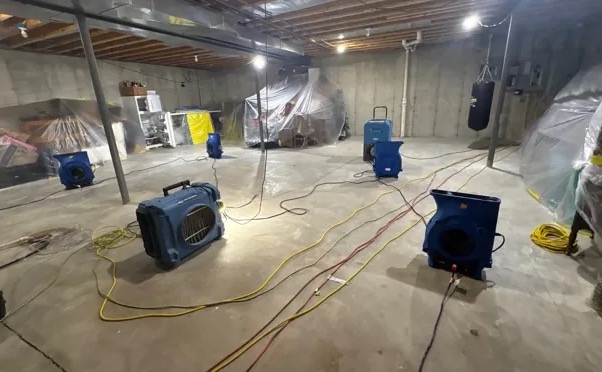
A basement dries slower than any other part of a house. The air is cool, there is little sunlight and the concrete holds moisture for a long time. In Rollingwood, that makes extraction and steady dehumidification important.
Few homes in Rollingwood have basements, so this work usually covers the lowest part of a home: a sunken room, a below-grade garage, a utility room or a crawl space.
Homes in Rollingwood and nearby West Lake Hills, Lost Creek and Barton Creek with basements deal with seepage, plumbing leaks and sewer backups. Help with basement water damage restoration covers pumping, removal of wet materials and drying of walls and concrete.
The Basement Water Damage Restoration Process in Rollingwood
Basement Floor Water Removal
Water on a concrete floor is squeegeed and extracted, and floor coverings such as carpet, vinyl or laminate are lifted to dry the slab.
Emergency Basement Flood Cleanup
Emergency cleanup starts with stopping the source where possible, checking for electrical hazards and pumping out the water.
Basement Dehumidification
A basement with no moisture problem before the flood may still need a dehumidifier afterward while the concrete dries.
Basement Wall Drying
Wet drywall is cut back above the water line when it is soaked, and the wall cavity and insulation behind it are dried or replaced.
Basement Sewer Backup Cleanup
After a sewer backup, cleanup and disinfection come before drying, so contaminated surfaces are not left in place.
How to Know You Need Basement Water Damage Restoration in Rollingwood
High Humidity Levels Below-Grade
A basement that stays damp and clammy even on dry days has a moisture source that needs attention.
Condensation on Windows or Pipes
Water beading on cold pipes or basement windows shows high humidity that keeps materials damp.
Wet or Stained Basement Walls
Dark, wet patches or tide lines on basement walls show where water seeped in or wicked up.
Sewage Odors or Backups
Sewage smells or water coming up through a floor drain mean the sewer line is backing up.
How Basement Water Damage Restoration Works in Rollingwood
Step 1: Floodwater Pump-Out
Submersible pumps remove deep water, and electrical hazards are checked before anyone walks in it.
Step 2: Deep Moisture Extraction
Extractors pull water from carpet, pad and the concrete floor after the deep water is gone.
Step 3: Air Circulation and Drying
Air movers keep dry air moving across walls and floors throughout the basement.
Step 4: Dehumidification and Verification
Dehumidifiers run until humidity and material readings confirm the basement is dry.
Common Causes of Water Damage in Rollingwood
Plumbing Pipe Bursts or Leaks
Supply lines and drain pipes in basement ceilings can crack or burst onto the floor below.
Clogged Floor Drains
A floor drain blocked by debris cannot carry off water from a leak or overflow, so it spreads across the basement floor.
Window Well Flooding
Window wells without drains or covers fill with rain and leak through basement windows.
Sewer Line Backups
A blocked or overloaded sewer line pushes wastewater up through basement drains and toilets.
Both Residential & Commercial Basement Water Damage Restoration in Rollingwood
Residential Basement Water Damage Restoration
Finished basements used as living space need carpet, pad and lower drywall checked carefully. Soaked materials are removed so the walls and slab can dry.
Commercial Basement Water Damage Restoration
Businesses with below-grade storage need inventory moved out of the water quickly. Wet stock is separated and documented for insurance.
Basement Water Damage Restoration vs. DIY: When to Call the Pros
Sewage in a basement should not be cleaned up without gloves, boots and eye protection. For any backup through a floor drain or toilet, call local water removal pros.
What Influences Basement Water Damage Restoration Cost in Rollingwood
In Rollingwood, basement jobs often run longer than upper-floor jobs because concrete dries slowly. Equipment days make up much of the bill.
Affected Square Footage
Larger basements need more extraction, more drying equipment and more days of drying time.
Access Complexity
Narrow stairs, low ceilings and stored contents can make the work slower.
Secondary Damage
Damage to furnaces, water heaters and belongings adds repair and replacement costs.
Does Insurance Cover Basement Water Damage Restoration?
Many homeowner policies cover sudden basement water from a burst pipe, but not seepage or groundwater. Sewer backup coverage is often a separate add-on, so check your policy.
Benefits of Local Pros for Basement Water Damage Restoration in Rollingwood
24/7 Emergency Response
Help is available day or night when water is rising in the basement.
Water Extraction First
Water is removed from floors, carpet and pad before drying starts, which shortens drying time.
Detailed Documentation
Photos, readings and drying logs are kept to support your insurance claim.
24/7 Emergency Basement Water Damage Restoration in Rollingwood
Sewage coming up through a floor drain? Stop using water in the house and call (512) 726-0989 now for basement water damage restoration in Rollingwood.
Call Now (512) 726-0989Basement Water Damage Restoration Available Throughout Travis County
The places below are also served, and each one has its own page.
- Basement Water Damage Restoration in West Lake Hills
- Basement Water Damage Restoration in Lost Creek
- Basement Water Damage Restoration in Barton Creek
- Basement Water Damage Restoration in Circle C Ranch
- Basement Water Damage Restoration in Steiner Ranch
- Basement Water Damage Restoration in Del Valle
- Basement Water Damage Restoration in Hornsby Bend
- Basement Water Damage Restoration in Shady Hollow
Basement Water Damage Restoration Common Questions Answered
Should I try below-grade waterproofing myself after flooding?
Sealing a small crack can be a DIY job, but drying must come first, and larger waterproofing work should go to a contractor.
How long does below-grade drying take after a flood?
Often several days or longer, since concrete and cool basement air dry slowly. Daily readings show progress.
Is basement floor water removal different from carpet extraction?
Yes. Bare concrete is squeegeed and dried, while carpet and pad need extraction, and the pad is usually replaced.
How is basement sewer backup cleanup different from regular flooding?
Sewage carries bacteria, so it needs protective gear, removal of porous materials and disinfection before drying.
Why is quick action important for below-grade flood restoration?
Basements dry slowly, so every hour of standing water adds days of drying and more material to replace.