Rollingwood, TX · Travis County
Condo Water Damage Restoration in Rollingwood, TXCondo Appliance Leak Water Removal & Condo Emergency Water Pump-Out
Condo Water Damage Restoration in Rollingwood covers condo ceiling water cleanup, condo bathroom flood cleanup and condo wall cavity drying.
Answered 24/7
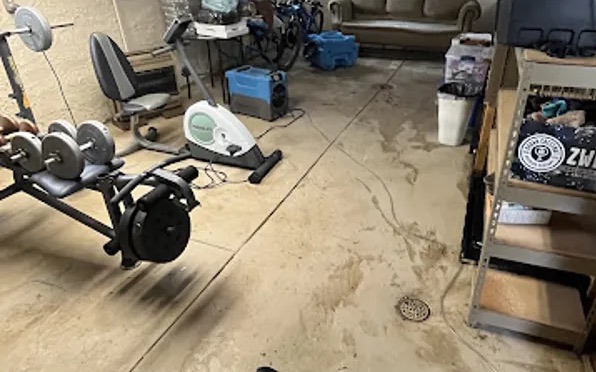
Condo Water Damage Restoration Help for Rollingwood Condos
Hard floors in Rollingwood condos often sit on a sound-control underlayment. When water gets under the flooring, that layer can hold it against the subfloor.
In Rollingwood, West Lake Hills, Lost Creek and Barton Creek, condo associations need clear records after a leak. The pros provide photos, readings and drying logs for every unit involved.
Comprehensive Condo Water Damage Restoration for Rollingwood Condos
Condo Appliance Leak Water Removal
Water from a failed washer hose, dishwasher line or refrigerator line is shut off and extracted from the floor and under nearby cabinets.
Condo Emergency Water Pump-Out
Pump-out is followed right away by moisture checks and drying setup, so walls and floors do not keep soaking.
Condo Flooring Water Extraction
Water is extracted from carpet, hardwood, tile and vinyl plank, and flooring that traps water underneath is lifted where needed.
Condo Personal Belongings Drying
Furniture, rugs, clothing and boxes that got wet are moved out of the water and set aside to be dried, cleaned or listed for insurance.
Condo Wall Cavity Drying
Shared walls between units are checked from both sides, since water in the cavity can affect a neighbor's drywall too.
When to Seek Condo Water Damage Restoration in Rollingwood
Musty Odors in Rooms
A musty smell in a room or closet points to hidden moisture in walls, floors or the ceiling.
Discolored or Soft Drywall
Drywall that is soft, stained or crumbling has absorbed water and may need to be cut out.
High Humidity and Condensation
Fogged windows or a clammy feel in the unit can mean wet materials are releasing moisture.
Cracked or Loose Bathroom Tiles
Bathroom tiles that loosen or crack can mean water has been getting under them.
How Condo Water Damage Restoration Works in Rollingwood
Step 1: Initial Damage Inspection
The pros check ceilings, shared walls and flooring for water in the unit and next door.
Step 2: Flood Cleanup
Water and wet debris are removed, and soaked rugs and padding are taken out.
Step 3: Drying Process
Dehumidifiers and air movers run around the clock, adjusted as readings change.
Step 4: Monitoring and Completion
Daily readings are logged, and the unit is released for repairs once every area is dry.
Frequent Sources of Water Damage in Condos
Bathroom Shower and Tub Leaks
Failed grout, caulk and shower pans let water into floors and the ceiling of the unit below.
Appliance Hose and Seal Failures
Washer hoses, dishwasher seals and refrigerator lines fail and leak across the floor.
Water Heater Tank Corrosion
Water heater tanks corrode with age and eventually leak or burst inside the unit.
Sprinkler System Malfunctions
Fire sprinkler heads and lines can leak or break and soak a unit and the hallway.
Condo Water Damage Restoration for All Condo Types in Rollingwood
Residential Condo Water Damage Restoration
Owners with hardwood or vinyl plank floors want to save them. Readings show which boards can be dried and which must be lifted.
Commercial Condo Water Damage Restoration
Common hallways, stairwells and lobbies are extracted and dried along with units, so residents can move through the building safely.
Professional Condo Water Damage Restoration or DIY Cleanup in Rollingwood
Fans and open windows help a little, but they can push moisture into other rooms. Professional drying uses dehumidifiers and readings to confirm the unit is dry.
Understanding Condo Water Damage Restoration Expenses in Rollingwood
Plumbing and appliance repairs are separate from water removal and drying. In Rollingwood, both are needed after most condo leaks.
Emergency Service Timing
Night, weekend and holiday calls can cost more than a scheduled weekday visit.
Affected Square Footage
Larger wet areas, or water spread across several units, need more extraction and drying.
Water Source Category
Clean water from a supply line costs less to handle than toilet or drain water that needs disinfection.
Does Insurance Cover Condo Water Damage Restoration?
In a condo, the association's master policy usually covers parts of the building, while your unit owner policy covers interior finishes and belongings. Check both early.
The Value of Local Pros for Condo Water Damage Restoration
Mold Prevention Protocols
Fast drying, and treatment of framing that stayed wet, limits microbial growth in small closed rooms.
Moisture Detection
Meters and thermal cameras find water in shared walls, ceilings and under flooring.
Belongings Care
Furniture and belongings are moved, protected and listed so they can be dried or claimed.
Emergency Condo Water Damage Restoration Available Around the Clock in Rollingwood
Night, weekend or holiday, local condo water extraction experts handle condo water damage in Rollingwood. Call (512) 726-0989 to get the water out and drying started.
Call Now (512) 726-0989Condo Water Damage Restoration Service Area Including Rollingwood
Other places served are listed below, each with its own page.
- Condo Water Damage Restoration in West Lake Hills
- Condo Water Damage Restoration in Lost Creek
- Condo Water Damage Restoration in Barton Creek
- Condo Water Damage Restoration in Circle C Ranch
- Condo Water Damage Restoration in Steiner Ranch
- Condo Water Damage Restoration in Del Valle
- Condo Water Damage Restoration in Hornsby Bend
- Condo Water Damage Restoration in Shady Hollow
Your Condo Water Damage Restoration Questions Addressed
What does a condo emergency water pump-out involve?
Pumping or extracting standing water as soon as the source is off, then setting up drying.
What tools are used for condo water extraction?
Portable extractors, pumps, air movers, dehumidifiers, moisture meters and thermal cameras sized for condo units.
What is condo bathroom flood cleanup?
Extracting water from the bathroom, cleaning and disinfecting after toilet water, and checking the unit below for leaks.
Why call local pros for condo water damage repair?
They check neighboring units for water, take readings in each one and keep separate records for owners and the association.
Does condo wall cavity drying require cutting holes?
Usually only small holes near the base or behind baseboards. Larger openings are made only where drywall is ruined.