The Hills, TX · Travis County
Roof Leak Water Removal in The Hills, TXLeak Source Identification & Attic Water Extraction
Roof Leak Water Removal in The Hills includes emergency roof tarping, ceiling water damage cleanup, wall cavity drying and wet contents protection.
Answered 24/7
Roof Leak Water Removal in The Hills, TX
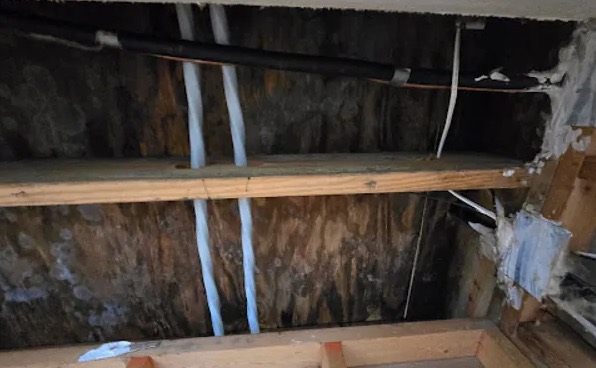
When a storm pushes water through the roof of a home in The Hills, the attic is the first place it collects and the hardest place to dry.
Roof leak water removal is available in The Hills and nearby Lakeway, Serene Hills and Falconhead. The pros tarp the opening if needed, extract the water and dry the attic framing and ceiling drywall.
Roof Leak Water Removal Work in The Hills
Leak Source Identification
Water often travels along rafters before it drips, so the stain is rarely under the hole. Tracing it in the attic shows the real entry point.
Attic Water Extraction
Water that pools on attic floors, vapor barriers or ceiling drywall is pulled out with wet vacuums and portable extractors before it soaks through to the room below.
Ceiling Water Damage Cleanup
If water is trapped above the ceiling, the pros drain it through a small controlled hole, then dry the joists and decide what drywall must come down.
Emergency Roof Tarping
When shingles are torn or a branch has punched a hole, the pros cover the opening with a weighted or battened tarp before they start drying the attic.
Wall Cavity Drying
Water that follows a top plate or a pipe chase can soak insulation inside a wall. Moisture meters find it, and air is pushed into the cavity to dry it.
Signs You Need Roof Leak Water Removal
Dark Spots on Attic Wood
Dark streaks or spots on rafters and roof decking show where water has been running or sitting for a while.
Peeling Paint on Upper Walls
Bubbling or peeling paint near the ceiling line on exterior walls points to water running down inside the wall.
Daylight Through the Roof Deck
Light showing through the decking from inside the attic marks a gap where rain can come straight in.
Puddles Under the Ceiling
Water on the floor under a stain or a drip means the ceiling above is already holding more than it can absorb.
How Roof Leak Water Removal Works in The Hills
Step 1: Protect the Rooms Below
Furniture and belongings under the leak are moved or covered, and floors are protected before any ceiling work begins.
Step 2: Drain and Open the Ceiling
Water trapped above the ceiling is drained through a small hole, and soft drywall is removed to reach the wet cavity.
Step 3: Dry Walls and Framing
Wall cavities under the leak are checked and dried along with the joists and top plates the water ran across.
Step 4: Document for the Claim
Photos, moisture logs and a list of removed materials are put together for you to share with your insurer.
Where Roof Leaks Start in The Hills
Clogged Gutters
Leaves and debris in gutters make water back up at the roof edge, where it seeps under shingles and into the soffit and walls.
Skylight Seals
Skylight gaskets and curb flashing wear out, and water runs into the shaft and down the drywall around the opening.
Aging Roofing Materials
As shingles age they curl, lose granules and crack, and slow leaks start where the roof covering has worn thin.
Storm Debris and Hail
Falling branches and hail can crack shingles or puncture the deck, opening a direct path for rain into the attic.
Residential and Commercial Roof Leak Water Removal in The Hills
Residential Roof Leak Water Removal
For homeowners, drying the attic and ceiling before stains spread can save the drywall. Moisture readings show what can stay and what has to come out.
Commercial Roof Leak Water Removal
Property managers get moisture readings and photos for each affected unit or suite, which helps when several tenants and an owner's insurer are involved.
When a Roof Leak Is Too Big for DIY
Move furniture, electronics and rugs out from under the leak, and set buckets under steady drips. Lay towels to keep water from spreading across wood or carpet floors.
Roof Leak Water Removal Cost in The Hills, TX
In The Hills, the biggest cost drivers after a roof leak are wet insulation, wet ceiling drywall and how hard the attic is to work in.
Drying Time
Each extra day of air movers, dehumidifiers and moisture checks adds to the cost, so wet wood that dries slowly costs more.
Attic Access
Low, tight attics with little floor to stand on take longer to work in than open attics with a walkway.
Emergency Tarping
If the roof needs a tarp before drying can start, the materials and labor for that step add to the bill.
Does Insurance Cover Roof Leak Water Removal?
Coverage often depends on what caused the leak. Storm damage is more likely to be covered than a leak from shingles that wore out over years.
Why Call Local Restoration Pros for Roof Leak Water Removal in The Hills
One Job, Start to Finish
Tarping, extraction, insulation removal and drying happen in order, so each step is not left waiting on another company.
Finding Hidden Water
Thermal cameras and moisture meters find wet insulation and wall cavities that are not visible from the room below.
Records for Your Claim
Photos, readings and a materials list give your adjuster a clear picture of what the roof leak damaged.
Emergency Roof Leak Help in The Hills, TX
For an active roof leak in The Hills, call (512) 726-0989. Local restoration pros handle the tarp, the water in the attic and the drying of the rooms below.
Call Now (512) 726-0989Roof Leak Water Removal Service Area Around The Hills
A stained ceiling in The Hills often means water is sitting in the attic. The pros help homes here and in nearby Lakeway, Serene Hills and Falconhead.
- Roof Leak Water Removal in Lakeway
- Roof Leak Water Removal in Serene Hills
- Roof Leak Water Removal in Falconhead
- Roof Leak Water Removal in Point Venture
- Roof Leak Water Removal in Bee Cave
- Roof Leak Water Removal in Steiner Ranch
- Roof Leak Water Removal in Briarcliff
- Roof Leak Water Removal in Spicewood
- Emergency Damage Restoration in 78738
- Storm Damage Restoration in 78738
- Water Damage Restoration in 78738
- Water Extraction Service in 78738
- Water Leak Detection in 78738
- Water Removal Service in 78738
FAQ: Roof Leaks, Attics and Ceilings
Can a roof leak cause mold in the attic?
Yes, if the wood and insulation stay wet. Prompt extraction and drying, plus removing soaked insulation, keep the attic from staying damp long enough for mold.
Why does wet insulation have to come out?
Wet insulation stays damp for a long time, holds water against the ceiling and framing, and stops insulating. Removing it lets the attic dry.
Why should rainwater be removed from the attic quickly?
Water in the attic soaks through the ceiling into the rooms below and keeps the framing wet. Removing it early limits drywall and insulation losses.
What should I do first when I find a roof leak?
Catch drips, move belongings away, turn off power to wet fixtures and take photos. Then call (512) 726-0989 to have the water removed and the attic dried.
Does a stained ceiling always need to be replaced?
No. If moisture readings show the drywall is firm and dries out, it can often stay and be primed and painted. Soft or sagging sections are replaced.