Lost Creek, TX · Travis County
Roof Leak Water Removal in Lost Creek, TXWet Contents Protection & Attic Water Extraction
Roof Leak Water Removal in Lost Creek covers emergency roof tarping, attic water extraction, ceiling water damage cleanup and wet insulation removal.
Answered 24/7
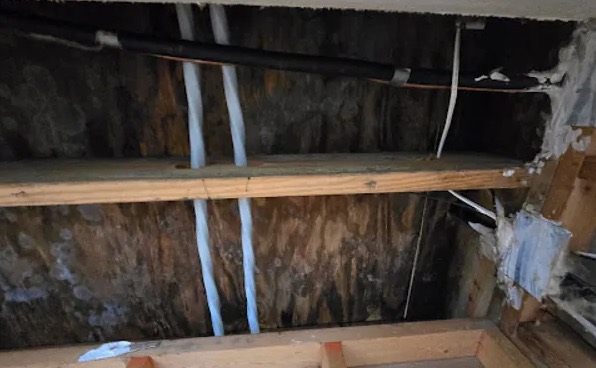
Roof Leak Cleanup and Drying in Lost Creek
Water from a roof leak lands on the ceiling first. Drywall can hold only so much before it sags, so getting water out of the attic quickly protects the room below.
Roof leak water removal is available in Lost Creek and nearby Barton Creek, West Lake Hills and Rollingwood. The pros tarp the opening if needed, extract the water and dry the attic framing and ceiling drywall.
Roof Leak Water Removal Work in Lost Creek
Wet Contents Protection
Wet contents are sorted into items that can be dried and items that cannot. A photo list of each is kept for the insurance claim.
Attic Water Extraction
The pros remove standing water from the attic first, because a ceiling holding water can sag and give way under the weight.
Leak Source Identification
The pros follow the water trail from the stain up through the attic to the decking, flashing or vent where rain is getting in, and note it for the roofer.
Emergency Roof Tarping
Tarping is a stopgap. It keeps the next rain out of the attic and ceilings until a roofer can replace the decking, flashing or shingles.
Structural Drying Services
Wet framing in Lost Creek attics is dried with directed airflow and dehumidification. Daily readings show when the wood is dry enough for repairs.
How to Tell Water Is Coming Through the Roof
Puddles Under the Ceiling
Water on the floor under a stain or a drip means the ceiling above is already holding more than it can absorb.
Peeling Paint on Upper Walls
Bubbling or peeling paint near the ceiling line on exterior walls points to water running down inside the wall.
Rusty Nails in the Attic
Rust on roofing nails or metal straps in the attic means moisture has been collecting there over many rains.
Dark Spots on Attic Wood
Dark streaks or spots on rafters and roof decking show where water has been running or sitting for a while.
How Roof Leak Water Removal Works in Lost Creek
Step 1: Stop the Water
The opening in the roof is tarped and drips inside are caught, so no more rain reaches the attic while the cleanup starts.
Step 2: Attic Water Extraction
Standing water is pulled from the attic floor and from on top of the ceiling with wet vacuums and portable extractors.
Step 3: Remove Wet Insulation
Soaked insulation is bagged and taken out so the drywall and joists underneath are open to air.
Step 4: Structural Drying
Air movers and dehumidifiers dry the rafters, decking and ceiling, with readings taken each day until the wood is dry.
Causes of Ceiling Water Damage in Lost Creek
Damaged or Missing Shingles
Wind, age and impact lift or tear shingles and leave the underlayment exposed, so rain soaks straight into the decking.
Storm Debris and Hail
Falling branches and hail can crack shingles or puncture the deck, opening a direct path for rain into the attic.
Clogged Gutters
Leaves and debris in gutters make water back up at the roof edge, where it seeps under shingles and into the soffit and walls.
Nail Pops and Old Penetrations
Nails that back out and holes left from old dishes or antennas open small paths for water that grow with each storm.
Roof Leak Water Removal for Every Property in Lost Creek, TX
Residential Roof Leak Water Removal
For homeowners, drying the attic and ceiling before stains spread can save the drywall. Moisture readings show what can stay and what has to come out.
Commercial Roof Leak Water Removal
Property managers get moisture readings and photos for each affected unit or suite, which helps when several tenants and an owner's insurer are involved.
Roof Leak Water Removal vs. DIY: When to Call Restoration Pros
If water is near lights or outlets, turn off that circuit at the breaker. Do not stand on a wet floor to reach a fixture that is dripping.
Pricing Roof Leak Water Removal in Lost Creek
Leaks found early cost less to clean up. Water that sat for a long time can mean more drywall and insulation to replace and longer drying.
Insulation Removal
Bagging and hauling soaked insulation takes labor, and the attic needs new insulation once the framing is dry.
Attic Access
Low, tight attics with little floor to stand on take longer to work in than open attics with a walkway.
Belongings in the Way
Moving and drying furniture, stored boxes and electronics under the leak adds time to the job.
Does Insurance Cover Roof Leak Water Removal?
Call your insurer soon after you find the leak. Photos of the ceiling, attic and roof, plus the moisture readings, help the adjuster review the claim.
Why Call Local Pros for Roof Leak Water Removal in Lost Creek
24/7 Help During Storms
Roof leaks happen when it rains, often at night. Help is available around the clock, so tarping and extraction can start once it is safe.
Drying to Measured Targets
Drying stops only when meters show the wood and drywall are dry, not when the surface looks dry.
One Job, Start to Finish
Tarping, extraction, insulation removal and drying happen in order, so each step is not left waiting on another company.
Around-the-Clock Roof Leak Water Removal in Lost Creek
Roof leaks get worse with every hour of rain. Call (512) 726-0989 any time for tarping, attic extraction and drying in Lost Creek.
Call Now (512) 726-0989Local Roof Leak Water Removal Coverage for Lost Creek
Homes in Lost Creek and nearby places such as Barton Creek, West Lake Hills and Rollingwood can get help with attic water extraction, wet insulation and ceiling drying after a roof leak.
- Roof Leak Water Removal in Barton Creek
- Roof Leak Water Removal in West Lake Hills
- Roof Leak Water Removal in Rollingwood
- Roof Leak Water Removal in Steiner Ranch
- Roof Leak Water Removal in Bee Cave
- Roof Leak Water Removal in Shady Hollow
- Roof Leak Water Removal in Circle C Ranch
- Roof Leak Water Removal in Bear Creek
- Emergency Damage Restoration in 78733
- Storm Damage Restoration in 78733
- Water Damage Restoration in 78733
- Water Extraction Service in 78733
- Water Leak Detection in 78733
- Water Removal Service in 78733
- Emergency Damage Restoration in 78735
- Storm Damage Restoration in 78735
Questions About Roof Leak Water Removal
Why does wet insulation have to come out?
Wet insulation stays damp for a long time, holds water against the ceiling and framing, and stops insulating. Removing it lets the attic dry.
Does a stained ceiling always need to be replaced?
No. If moisture readings show the drywall is firm and dries out, it can often stay and be primed and painted. Soft or sagging sections are replaced.
How soon should water removal start after a roof leak?
As soon as possible. Wet drywall and insulation can start to grow mold in 24 to 48 hours, and a ceiling holding water can sag and fall.
How do the pros find where a roof is leaking?
They trace the water from the stain up into the attic, follow it along the rafters and decking, and use moisture meters to find the entry point.
What happens after the water is removed?
Drying equipment runs and the pros take readings until the attic and ceiling are dry. Then the roofer and drywall repairs can go ahead.