Leander, TX · Williamson County
Roof Leak Water Removal in Leander, TXWall Cavity Drying & Emergency Roof Tarping
Roof Leak Water Removal in Leander covers emergency roof tarping, attic water extraction, ceiling water damage cleanup and wet insulation removal.
Answered 24/7
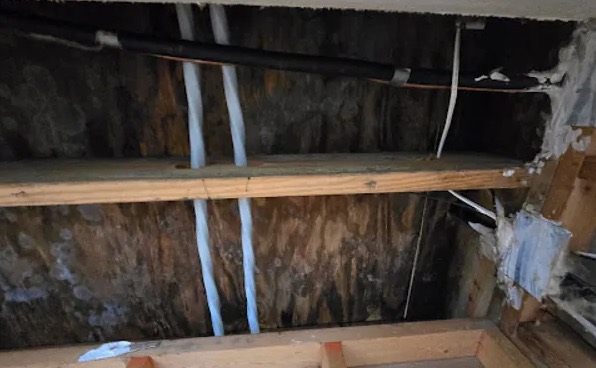
Roof Leak Water Removal in Leander, TX
In Leander, roof leaks tend to show up during or right after heavy rain, when water finds a worn shingle, a cracked boot or loose flashing.
Roof leak water removal is available in Leander and nearby Cedar Park, Jonestown and Santa Rita Ranch. The pros tarp the opening if needed, extract the water and dry the attic framing and ceiling drywall.
Roof Leak Water Removal Services in Leander
Wall Cavity Drying
Water that follows a top plate or a pipe chase can soak insulation inside a wall. Moisture meters find it, and air is pushed into the cavity to dry it.
Emergency Roof Tarping
A heavy tarp is fastened over the damaged section so rain stops coming in while the inside is dried. A roofer makes the permanent repair later.
Attic Water Extraction
In Leander homes with low attics, extraction is done with compact equipment that fits between joists and over ceiling drywall without stepping through it.
Wet Contents Protection
Wet contents are sorted into items that can be dried and items that cannot. A photo list of each is kept for the insurance claim.
Structural Drying Services
Drying a roof leak means drying wood, not just air. The pros track moisture in the sheathing and framing and adjust the setup until the numbers drop.
Roof Leak Warning Signs in Leander
Gutters Spilling Over the Roof Edge
Gutters that overflow toward the house during storms can push water under the shingles and into the wall top plates.
Puddles Under the Ceiling
Water on the floor under a stain or a drip means the ceiling above is already holding more than it can absorb.
Water Stains on the Ceiling
Brown or yellow rings on the ceiling, often growing after each rain, mean water is reaching the drywall from above.
Wet or Flattened Insulation
Insulation that is matted, stained or damp to the touch in the attic means rain is getting past the roof deck.
How Roof Leak Water Removal Works in Leander
Step 1: Safety Check
Power to wet ceiling fixtures is shut off and sagging areas are marked so no one walks under them during the work.
Step 2: Roof Tarp and Extraction
The roof is tarped if rain is still possible, then water is removed from the attic, ceiling cavities and floors.
Step 3: Drying Setup
Dehumidifiers and air movers are placed in the attic and the rooms below so both levels dry at the same time.
Step 4: Final Readings
When the wood and drywall read dry, equipment is removed and the roofer and drywall repairs can be scheduled.
Why Water Gets Into the Attic in Leander
Aging Roofing Materials
As shingles age they curl, lose granules and crack, and slow leaks start where the roof covering has worn thin.
Worn Flashing
Flashing around chimneys, skylights and wall joints can crack, rust or pull loose, and water runs in along the gap.
Cracked Vent Boots
The rubber collars around plumbing vents dry out and split with age, letting rain drip down the pipe into the attic.
Nail Pops and Old Penetrations
Nails that back out and holes left from old dishes or antennas open small paths for water that grow with each storm.
Roof Leaks in Leander Homes and Commercial Buildings
Residential Roof Leak Water Removal
Persistent roof leaks can rot rafters and roof decking. The pros dry the framing and point out any wood that looks soft so the roofer can replace it.
Commercial Roof Leak Water Removal
In multi-tenant buildings, water from one roof leak can reach several floors. The pros trace it down through each level and dry every space it reached.
What You Can Do Before Help Starts on a Roof Leak
A wet-dry vacuum can pick up water from hard floors you can reach safely. Household vacuums are not made for water and can shock you.
What Roof Leak Water Removal Costs in Leander
Leaks found early cost less to clean up. Water that sat for a long time can mean more drywall and insulation to replace and longer drying.
Size of the Wet Area
The square footage of wet attic, ceiling and wall sets how much equipment is needed and how long it runs.
Belongings in the Way
Moving and drying furniture, stored boxes and electronics under the leak adds time to the job.
Ceiling Drywall
Ceilings that can be dried in place cost less than ones that sag or crumble and have to be cut out and replaced.
Does Insurance Cover Roof Leak Water Removal?
Coverage often depends on what caused the leak. Storm damage is more likely to be covered than a leak from shingles that wore out over years.
Why Call Local Pros for Roof Leak Water Removal in Leander
One Job, Start to Finish
Tarping, extraction, insulation removal and drying happen in order, so each step is not left waiting on another company.
24/7 Help During Storms
Roof leaks happen when it rains, often at night. Help is available around the clock, so tarping and extraction can start once it is safe.
Safe Attic Work
The pros know how to move through an attic on the framing and handle wet ceilings without bringing them down.
24/7 Emergency Roof Leak Water Removal in Leander
Water coming through the ceiling during a storm in Leander? Call (512) 726-0989 24/7. The pros can tarp the roof and remove water from the attic before the ceiling gives way.
Call Now (512) 726-0989Local Roof Leak Water Removal Coverage for Leander
Help with roof leak water removal is available in Leander and nearby Cedar Park, Jonestown and Santa Rita Ranch, with tarping, wet insulation removal and attic drying 24/7.
- Roof Leak Water Removal in Cedar Park
- Roof Leak Water Removal in Jonestown
- Roof Leak Water Removal in Santa Rita Ranch
- Roof Leak Water Removal in Liberty Hill
- Roof Leak Water Removal in Brushy Creek
- Roof Leak Water Removal in Lago Vista
- Roof Leak Water Removal in Anderson Mill
- Roof Leak Water Removal in Jollyville
- Emergency Damage Restoration in 78641
- Storm Damage Restoration in 78641
- Water Damage Restoration in 78641
- Water Extraction Service in 78641
- Water Leak Detection in 78641
- Water Removal Service in 78641
- Emergency Damage Restoration in 78645
- Storm Damage Restoration in 78645
Roof Leak Water Removal FAQs
What should I do first when I find a roof leak?
Catch drips, move belongings away, turn off power to wet fixtures and take photos. Then call (512) 726-0989 to have the water removed and the attic dried.
Is it safe to stay in a room with a wet ceiling?
Keep people out from under a ceiling that sags or drips. Turn off power to wet light fixtures until the ceiling has been checked.
How soon should water removal start after a roof leak?
As soon as possible. Wet drywall and insulation can start to grow mold in 24 to 48 hours, and a ceiling holding water can sag and fall.
Why does wet insulation have to come out?
Wet insulation stays damp for a long time, holds water against the ceiling and framing, and stops insulating. Removing it lets the attic dry.
How is water removed from an attic?
Standing water is pulled out with wet vacuums and extractors, then soaked insulation is removed so the ceiling and framing can be dried.