Taylor, TX · Williamson County
HVAC Leak Water Removal in Taylor, TXAC Condensate Leak Water Removal & Ductwork Condensation Water Removal
HVAC Leak Water Removal in Taylor covers AC condensate leak water removal, HVAC cabinet water extraction and emergency HVAC leak cleanup.
Answered 24/7
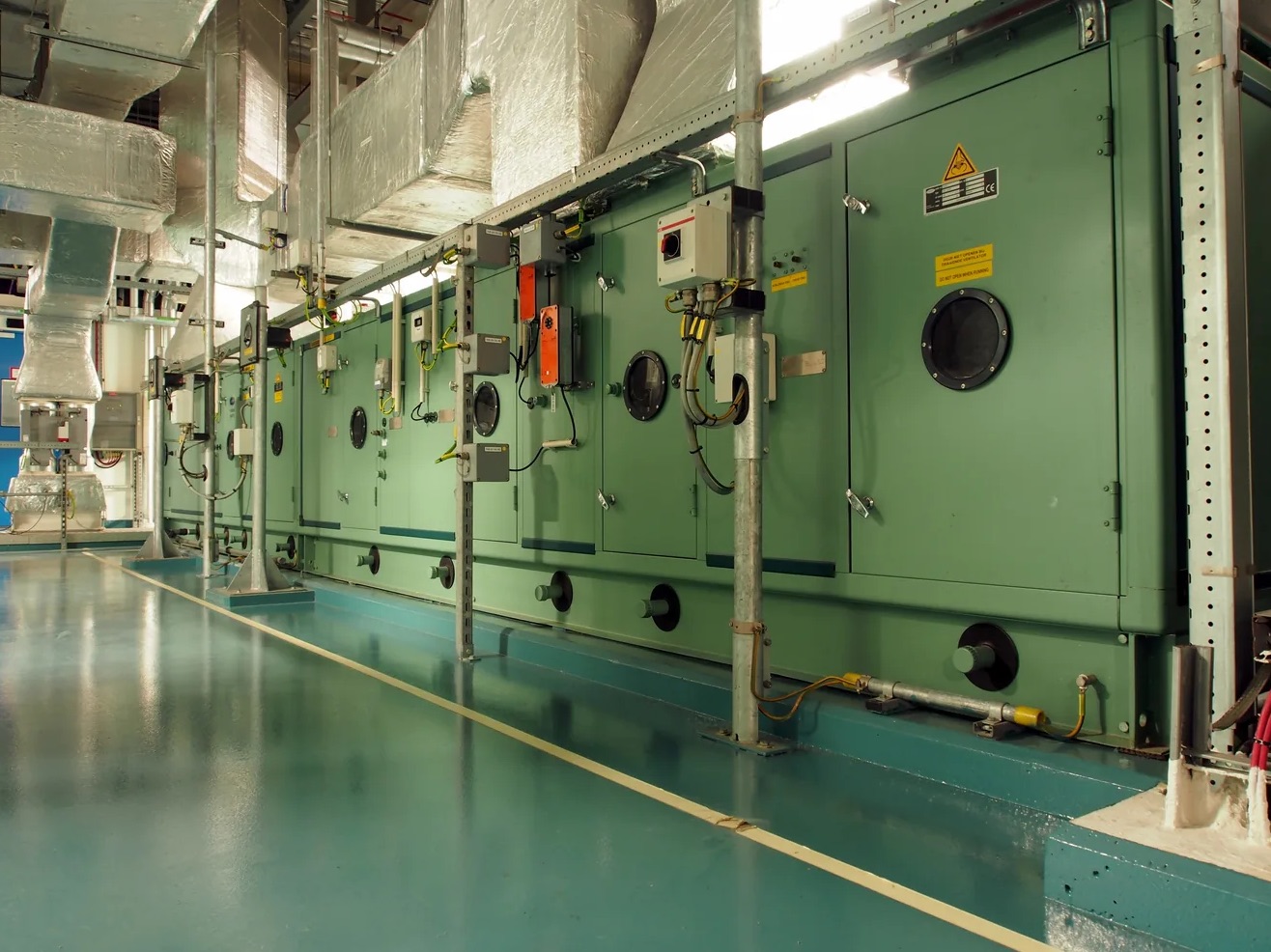
HVAC Leak Water Removal Solutions in Taylor
A leaking AC unit in Taylor can fill the air handler cabinet and spill onto the floor around it. Water near wiring is a shock risk, so the power should be off before anyone works there.
When an HVAC leak occurs in Taylor, water needs to come out quickly to protect interior finishes and electrical systems. Local water removal pros serve this community and nearby areas like Thrall, Coupland and Hutto, extracting water around the unit and drying wet ductwork before damage spreads.
HVAC Leak Water Removal Services in Taylor
AC Condensate Leak Water Removal
A rusted or cracked condensate pan leaks directly from the AC coil. Prompt water removal prevents corrosion and electrical hazards.
Ductwork Condensation Water Removal
Wet, sagging insulation around ducts signals a condensation problem. Cleanup involves water extraction and drying of duct surfaces and insulation.
HVAC Cabinet Water Extraction
Water inside an HVAC cabinet sits right next to wiring and the blower. Power is shut off first, then the water is pulled out with small wet vacuums made for tight spaces.
HVAC Drain Line Flood Cleanup
A backed-up HVAC drain line can flood a closet or utility area in Taylor. The water is extracted and drying starts on the floor and lower walls.
Coil Leak Water Damage Repair
Coil leak water damaging drywall or cabinetry needs repairs after drying. Restoration pros coordinate drying to prepare for reconstruction.
Warning Signs You Need HVAC Leak Water Removal
AC Drain Line Overflowing
Water spilling from the condensate drain line or its overflow port means the drain is blocked and needs attention now.
Condensation Dripping From Ducts
Water droplets or streaks on metal ductwork mean the ducts are sweating, and the water is landing somewhere below.
Water Puddles Under HVAC Unit
Standing water or persistent dampness around the air handler or furnace cabinet often signals an active HVAC leak.
Visible Rust on Metal Components
Rust forming on the evaporator coil cabinet, drain pan, or supports indicates prolonged moisture exposure.
How HVAC Leak Water Removal Works in Taylor
Step 1: Water Removal Initiation
The experts use pumps and wet vacuums to remove the bulk water from a flooded drain line area.
Step 2: Detailed Moisture Detection
Meters and thermal cameras check concealed spaces so no wet spot behind a wall or above a ceiling is missed.
Step 3: Controlled Drying Environment
Professionals create a controlled environment with dehumidifiers and air movers to dry wet ductwork, insulation and building materials.
Step 4: Final Clearance and Prevention Advice
A final check confirms everything is dry, and you get tips on keeping the condensate drain clear.
Common Causes of HVAC Water Damage in Taylor
Excessive Ductwork Condensation
Poorly insulated ducts in humid spaces sweat and drip water into walls, ceilings and insulation.
Improper HVAC System Slope
An air handler or drain line installed without correct pitch prevents gravity-driven water flow to the drain.
Cracked or Disconnected Drain Pan
A damaged or misaligned secondary drain pan beneath the evaporator coil fails to catch condensation overflow.
Worn Gaskets or Seal Failures
Worn seals around access panels or coil sections let water escape the cabinet instead of reaching the pan.
HVAC Leak Water Removal for All Properties in Taylor
Residential HVAC Leak Water Removal
In homes, water from a utility closet can reach hardwood floors, cabinets and stored items. The pros dry those materials and wet duct sections near the unit.
Commercial HVAC Leak Water Removal
In commercial buildings, mechanical rooms and the spaces under them are checked for water and dried, with readings recorded for the building manager.
When DIY Fails for HVAC Leak Water Removal in Taylor
After ensuring power is off, you can use a wet-dry vacuum on visible standing water near a leaking AC unit. Be cautious of electrical hazards. You can also set up fans to aid surface drying. Do not remove wet insulation or open sealed ductwork.
Factors in HVAC Leak Water Removal Cost for Taylor
The price of HVAC leak water removal in Taylor depends on where the unit sits, how far the water spread and how long drying takes. The experts look at the source and the wet area first.
Extent of Water Spread
Water from a leaking AC can travel along ducts and inside walls, which makes the drying area larger.
Affected Components and Materials
Wet insulation, damaged ductwork or wiring near the flooded unit each add work to the job.
Water Contamination Category
Clean condensate is simpler to handle than dirty overflow from a drain line, which needs extra cleaning.
Does Insurance Cover HVAC Leak Water Removal?
Coverage for HVAC leak water removal depends on what caused the leak and how your policy is written. The experts take photos and moisture readings, and your insurer decides what is covered.
Advantages of Local Pros for HVAC Leak Water Removal in Taylor
Structured Dehumidification Strategy
Air movers and dehumidifiers are placed to dry the cabinet area and nearby walls without blowing water further.
Focused on System Integrity
The goal is a dry unit area and dry materials around it, so the system can run safely again.
24/7 Emergency Response
Getting to a leaking AC early limits how far water spreads and how much it rusts parts in the unit.
24/7 Emergency HVAC Leak Water Removal in Taylor
HVAC drain line floods need immediate attention to stop water damage. For HVAC leak cleanup and moisture remediation, contact the experts at (512) 726-0989.
Call Now (512) 726-0989Areas Served for HVAC Leak Water Removal from Taylor
Wet ductwork and HVAC leak water are dried in Taylor and in nearby Thrall, Coupland and Hutto, for homes and businesses.
- HVAC Leak Water Removal in Thrall
- HVAC Leak Water Removal in Coupland
- HVAC Leak Water Removal in Hutto
- HVAC Leak Water Removal in Granger
- HVAC Leak Water Removal in Thorndale
- HVAC Leak Water Removal in Round Rock
- HVAC Leak Water Removal in Pflugerville
- HVAC Leak Water Removal in Bartlett
- Emergency Damage Restoration in 76574
- Storm Damage Restoration in 76574
- Water Damage Restoration in 76574
- Water Extraction Service in 76574
- Water Leak Detection in 76574
- Water Removal Service in 76574
HVAC Leak Water Removal FAQ for Taylor Homeowners
Is emergency HVAC leak cleanup necessary?
It is when water is spreading. Removing it early keeps it from reaching walls, ceilings and the rooms nearby, which keeps the damage smaller.
What's the difference between water extraction and drying?
Extraction removes the liquid water. Drying uses dehumidifiers and air movers to pull out the moisture left in insulation, drywall and wood.
Can wet insulation near HVAC be saved?
Often, yes. Wet insulation loses its value and is hard to dry in tight spaces, so it is usually removed and replaced once the area is dry.
What is involved in HVAC leak water removal?
Stopping the leak, extracting standing water, drying the ducts, cabinet area, walls and floor, and checking for hidden moisture with meters.
Why is quick action critical for a flooded HVAC unit?
Water can damage the unit's wiring, rust metal parts and soak into walls and floors, which makes repairs larger and more expensive.