Austin, TX · Travis County
Full Structural Restoration in Austin, TXStructural Moisture Removal & Wall Framing Drying Services
Full Structural Restoration in Austin covers structural water damage repair, foundation water restoration and wall framing drying services.
Answered 24/7
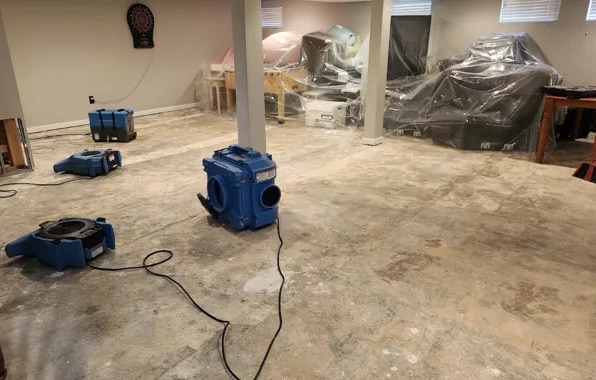
Professional Full Structural Restoration in Austin, TX
The importance of full structural restoration for Austin properties lies in preventing progressive deterioration; wet structural wood can lose strength rapidly, leading to costly failures.
In Austin, the work includes foundation repair and drying the structure. Homes in Rollingwood, West Lake Hills and Lost Creek also need these specialized repairs to avoid foundational shifts. The area's humid subtropical climate with hot summers and flash floods can influence drying times, which pros account for in their plans.
Comprehensive Full Structural Restoration Offerings in Austin
Structural Moisture Removal
Soaked framing or sheathing must be repaired. The structural restoration pros assess saturation depth and structural compromise. They dry or replace damaged wood with stable new material.
Wall Framing Drying Services
Drying prevents walls and ceilings from buckling. Experts identify if the water source is internal or external. Their plan may include removing insulation for air circulation.
Structural Integrity Assessment
A structural integrity assessment prioritizes safety, examining the physical state of materials. The inspection looks for indicators of decay, mold, and compromised wood to decide what structural elements can be restored through drying and which must be replaced.
Floor Joist Repair Services
Water-damaged floor joists are reached by removing subfloor sections if needed. The wood is cleaned, dried and treated before it is repaired or replaced.
Foundation Water Restoration
For properties in Austin, foundation water restoration may address drainage issues. Local pros extract standing water and use industrial dehumidifiers. They document damage for insurance claims.
Signs Your Austin Property Needs Structural Repair
Foundation Wall Efflorescence
White, chalky residue on foundation walls means water is seeping through the concrete.
Doors and Windows Sticking
Doors and windows that stick or won't close properly often mean the structural wood framing has swollen.
High Humidity Readings in Structure
Elevated moisture meter readings inside wall cavities confirm hidden water needing structural drying and dehumidification.
Sagging or Uneven Floors
Sagging floors point to weakened joists and subfloor, a sign of serious water damage.
How Full Structural Restoration Works in Austin
Step 1: On-Site Structural Integrity Assessment
The job begins with a hands-on assessment of all framing, from the foundation up, to diagnose the full scope of structural damage.
Step 2: Controlled Demolition for Access
Selective, careful removal of finishes provides access to wet structural wood for the upcoming wall framing drying services and repairs.
Step 3: Targeted Drying Protocol Implementation
A customized drying plan using injectidry systems or similar technology addresses hidden moisture in structural members for post-flood structural repair.
Step 4: Reconstruction With Durable Materials
The final phase involves rebuilding with treated or moisture-resistant lumber where needed, solidifying the building structure repair for the long term.
Sources of Damage Requiring Full Structural Restoration in Austin
Firefighting Water After a Blaze
The substantial water used to extinguish fires soaks structural members, demanding post-fire structural drying methods.
Natural Disaster Impact
Events causing significant water intrusion, such as pipe bursts or appliance failures, necessitate a thorough structural damage assessment for the safety of the building's framework.
Roof Leaks Over Extended Periods
Chronic roof leaks allow water to drip into attics and walls, slowly degrading structural framing integrity.
Appliance Leaks or Malfunctions
Water heater ruptures or washing machine hose failures release large volumes, compromising structural wood near utilities.
Full Structural Restoration for Homes and Businesses in Austin
Residential Full Structural Restoration
Residential structural integrity restoration often involves discreet repairs to preserve aesthetics. In occupied homes, restoration professionals repair joists and walls while controlling dust and disruption.
Commercial Full Structural Restoration
Commercial structural drying and dehumidification requires industrial-scale equipment for large warehouses or offices. The experts assess steel supports, concrete slabs, and large-span roof systems to prevent business interruption from post-flood structural repair delays.
Full Structural Restoration vs. DIY: When to Call Local Pros
You can safely document the damage for insurance by taking clear photos and videos from a safe distance. Note any visible cracks, sagging, or water stains. However, avoid touching or applying pressure to compromised structural elements and call the pros for a full structural restoration assessment immediately.
Factors in Full Structural Restoration Pricing for Austin
Building structure repair expenses consider the accessibility of damaged areas, such as floor joists and wall framing, and the required drying time.
Contamination Level
Post-flood structural repair for category 2 or 3 water involves additional safety protocols and cleaning, increasing the overall restoration effort.
Local structural restoration pros Labor Rates
The prevailing rates for the specialists in the Texas area are a component of the final service estimate.
Extent of Structural Damage
The scale of damage to framing, foundation, or load-bearing elements dictates the materials and labor required for complete structural integrity restoration.
Does Insurance Cover Full Structural Restoration?
Insurance may cover post-flood structural repair if the flood source is a covered peril in the policy. Homeowners should always review their policy or speak with their agent to understand financial responsibility.
The Value of Local Experts for Austin Full Structural Restoration
Post-Flood Structural Protocols
Specific procedures for post-flood structural repair address contamination and saturation levels to safely restore the building's framework.
Documentation for Insurance
The professionals provide detailed logs and photos of the structural damage assessment and drying progress for your insurance claim file.
Foundation Restoration Focus
Attention to foundation water restoration helps prevent long-term settlement issues and preserves the stability of the entire structure above.
Emergency Response for Full Structural Restoration in Austin
Structural water damage worsens by the hour. For immediate 24/7 emergency response from the pros in Austin, call (512) 726-0989. Fast action on foundation restoration services can prevent catastrophic failure.
Call Now (512) 726-0989Full Structural Restoration Available Throughout Travis County
When water reaches a building's frame in Austin, it needs structural drying and dehumidifying. The professionals provide these specialized services to the community and nearby areas including Rollingwood, West Lake Hills and Lost Creek.
FAQs on Full Structural Restoration Processes and Timelines
How long does structural drying and dehumidification take?
Drying dense structural wood like floor joists and wall framing typically takes several days, monitored with moisture meters until materials reach a dry standard to prevent future rot.
What is the focus of building structure repair?
It focuses on the foundation, framing, joists and beams, making sure they are dry and can carry their loads.
Why is foundation water restoration urgent?
Saturated foundation materials can erode, shift, or lose strength, leading to settlement cracks and instability in the entire structure above. Fast drying keeps repairs smaller.
What is the first step after discovering structural damage?
Call for emergency water extraction first, then book a structural assessment to plan the repairs.
Can a home be lived in during structural restoration?
Often, sections are contained, but major projects involving extensive deconstruction or load-bearing work may require temporary relocation for safety and to allow unimpeded access for pros.