Floodwater Removal in Granger, TX: What You Need to Know
Granger, TX, is known for its unpredictable spring storms and heavy rainfall, which can cause standing water to flood homes and businesses. You’re likely no stranger to the anxiety that comes with seeing water rise in your property. Floodwater removal is a delicate process that needs expertise to avoid further damage and safety risks. Our team has seen it all, and we’re here to guide you through the process.
With over 165 five-star reviews, our team has earned the trust of local homeowners who value our commitment to professionalism and customer satisfaction. We know what it takes to restore your property to its original state, and we’ll do it with a smile.
- Floodwater removal is a crucial step in preventing mold growth, which can be costly and time-consuming to remediate.
- Our team uses specialized equipment to extract floodwater quickly and efficiently, reducing the risk of further damage.
- We’ll help you navigate the insurance process and ensure you receive the compensation you deserve.
How Floodwater Removal Works
When you call us for floodwater removal, you’re not just hiring a team of professionals, you’re investing in a process that’s designed to yield the best possible outcome. Our team will assess your property, identify the source of the flood, and develop a customized plan to extract the water and dry out your space. This might involve using specialized vacuums, dehumidifiers, and air movers to speed up the drying process.
Step 1: Assessment and Planning
We’ll send a certified IICRC technician to assess the damage and create a personalized plan for your floodwater removal. This involves identifying the source of the flood, evaluating the extent of the damage, and determining the best course of action to extract the water and dry out your space.
Step 2: Water Extraction
Our team will use specialized equipment to extract the floodwater from your property. This might involve using submersible pumps, wet vacuums, or even a combination of both to remove the water quickly and efficiently.
Step 3: Drying and Dehumidification
Once the water is extracted, we’ll use air movers and dehumidifiers to speed up the drying process. This helps prevent mold growth and reduces the risk of further damage.
Step 4: Sanitizing and Disinfecting
We’ll use specialized equipment to sanitize and disinfect your property to prevent the growth of bacteria, viruses, and other microorganisms that can thrive in damp environments.
Step 5: Final Inspection and Restoration
Once the drying process is complete, we’ll conduct a final inspection to ensure your property is safe and secure. If necessary, we’ll make any necessary repairs to ensure your property is restored to its original state.
Don’t wait until it’s too late, call us today to schedule your floodwater removal service. Our team is ready to help you restore your property and get back to normal.

Warning Signs You Need Floodwater Removal
Ignoring warning signs can lead to costly damage and safety risks. Here are some common signs that show you need floodwater removal:
Musty Odors That Won’t Go Away
If you notice a persistent musty smell in your property, it’s likely a sign that mold is growing. This can be a serious health risk, especially for people with allergies or respiratory issues. Don’t wait, call us today to schedule a floodwater removal service.
Warped or Discolored Flooring
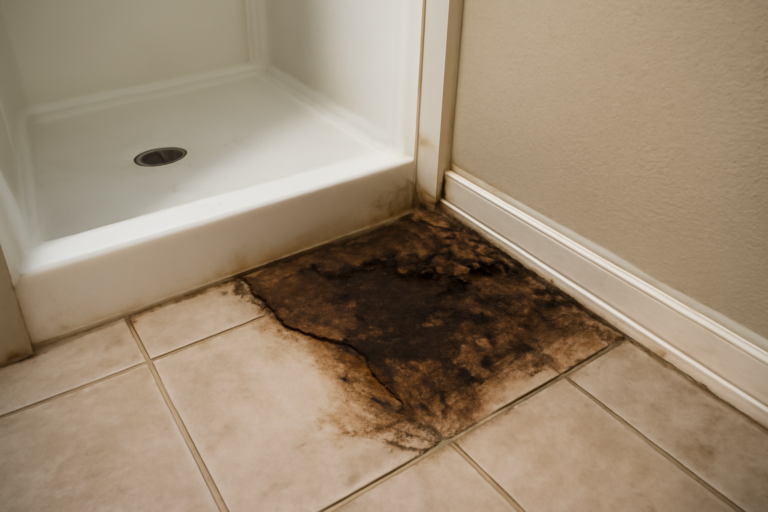
Warped or discolored flooring can be a sign that your property is suffering from water damage. This can be a costly problem to fix, especially if you wait too long. Don’t risk further damage, call us today to schedule a floodwater removal service.
Floodwater Removal vs. DIY: When to Call a Professional
| Situation | DIY? | Call a Pro? | Why |
|---|---|---|---|
| Small flood in a single room | Yes | No | DIY methods can be effective for small floods, but be sure to follow proper safety protocols. |
| Large flood or multiple rooms affected | No | Yes | Large floods need specialized equipment and expertise to prevent further damage and safety risks. |
| Visible signs of mold growth | No | Yes | Mold growth can be a serious health risk, and professionals have the equipment and expertise to safely remediate the issue. |
Don’t risk further damage or safety risks by trying to tackle floodwater removal yourself. Call a professional today to ensure your property is restored to its original state.
Floodwater Removal Cost in Granger, TX
The cost of floodwater removal can vary depending on the severity of the damage, the size of the affected area, and local conditions. Here’s a general breakdown of the costs you might incur:
| Service | Typical Price Range | What Affects Cost |
|---|---|---|
| Water extraction and removal | $500 – $2,500 | Depends on the amount of water removed and the equipment used. |
| Drying and dehumidification | $1,000 – $5,000 | Depends on the size of the affected area and the type of equipment used. |
| Sanitizing and disinfecting | $500 – $2,000 | Depends on the type of equipment used and the level of sanitizing required. |
Exact pricing will depend on an on-site assessment, and we offer free estimates to ensure you get the best possible price for your floodwater removal service.
Service Areas Near Granger, TX
Our team serves the following communities:
Austin, TX, Round Rock, TX, Pflugerville, TX, Hutto, TX, Taylor, TX, Bryan, TX, College Station, TX.
Common Questions About Floodwater Removal
Q: How long does floodwater removal take?
A: The time it takes to complete a floodwater removal service depends on the severity of the damage, the size of the affected area, and the equipment used. Typically, it can take anywhere from 3-5 days to complete the service.
Q: Is floodwater removal covered by insurance?
A: Yes, floodwater removal is typically covered by homeowners insurance. But, the specifics of your policy will depend on your insurance provider and the terms of your policy.
Q: Can I prevent floodwater damage?
A: Yes, you can take steps to prevent floodwater damage by installing a sump pump, ensuring your gutters are clear, and maintaining your property’s drainage system. Regular maintenance can help prevent costly damage and safety risks.