Austin, TX · Travis County
Factory Damage Restoration in Austin, TXIndustrial Sewage Backup Cleanup & Factory Flood Water Extraction
Factory Damage Restoration in Austin covers factory moisture inspection, industrial roof leak water removal, and industrial mold remediation services.
Answered 24/7
Industrial Damage Restoration Services in Austin
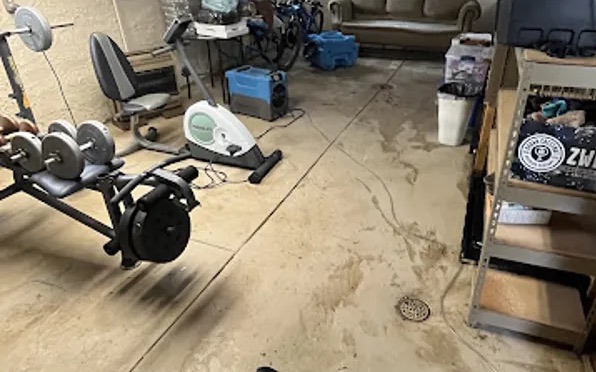
Industrial building drying in Austin, a complex process designed for large, open spaces with high ceilings. Concrete floors and steel framing hold moisture differently than homes, so drying takes longer and is checked with meters.
Factories in Austin need water removal and drying after equipment failures or roof leaks. Local water removal pros employ IICRC-standard methods for factory drying, serving the area including Rollingwood, West Lake Hills and Lost Creek with help day or night to prevent mold growth.
Factory Damage Restoration Services in Austin
Industrial Sewage Backup Cleanup
Cleaning a factory sewage backup demands expert handling of biohazards. The pros isolate the area, extract the liquid, and perform chemical decontamination of hard surfaces.
Factory Flood Water Extraction
Extracting flood water protects sensitive inventory. Factory restoration experts assess the water category and use appropriate methods to restore dry conditions to the concrete slab.
Factory Moisture Inspection
A moisture inspection finds every wet area. The pros document readings with photos and notes for a restoration guide and insurance claim.
Industrial Roof Leak Water Removal
When a factory roof leaks, water removal must be systematic. Local pros extract water from storage racks, workstations, and floor surfaces.
Commercial Building Drying Services
After water extraction is complete, the professional drying phase begins. Air movers and dehumidifiers are placed strategically to remove moisture from walls, floors, and contents, with daily logs often tracking the progress toward dryness.
Common Signals for Factory Damage Restoration
Slippery Floors After Flooding
Wet factory floors create immediate safety risks for workers. Commercial water removal restores safe operating conditions fast.
Sewage Odor in the Facility
A sewage backup smell indicates a serious health hazard. Industrial sewage backup cleanup is needed to sanitize the area.
Soggy Insulation in Walls
Wet insulation loses its thermal value and can foster mold. Industrial property restoration involves removing and replacing it.
Storm Damaged Loading Docks
Wind-driven rain flooding entryways needs storm damage factory repair. Industrial water damage restoration secures the building envelope.
How Factory Damage Restoration Works in Austin
Step 1: Initial Factory Moisture Inspection
A moisture inspection finds all wet areas and moisture sources. This plan guides the entire industrial mold remediation services if needed.
Step 2: Contaminated Water Extraction
For sewage or flood water, hazardous material protocols are followed during extraction. Factory leak water extraction here protects worker and occupant health.
Step 3: Air Scrubbing and Drying
Air scrubbers filter contaminants while industrial-grade dryers circulate air aggressively. This commercial water removal step cleans the air and dries surfaces fast.
Step 4: Post-Remediation Verification Testing
After drying and cleaning, the area is tested to confirm it is clean and dry. This final step completes the factory fire damage restoration or flood recovery.
Leading Causes of Industrial Water Damage in Austin
Foundation Cracks and Seepage
Hydrostatic pressure can push groundwater through cracks in the factory slab. Industrial building drying is needed to stabilize the foundation environment.
Appliance or Equipment Malfunction
Industrial dishwashers, boilers, or coolant systems can leak or overflow. The experts perform water extraction and assess equipment impact.
Fire Suppression System Activation
Sprinklers putting out a fire leave behind significant water. Factory fire damage water cleanup handles both soot and moisture removal.
Industrial Sewage Line Backup
Blocked main sewer lines can force contaminated water back into the facility. Sewage cleanup factory services sanitize and restore the space.
Factory Damage Restoration for Businesses in Austin
Factory Damage Restoration for Homeowners
A sewage backup in a home poses severe health risks from pathogens and requires thorough cleaning and disinfection. The experts handle the hazardous cleanup, removing the contaminated water and sanitizing affected rooms to make the living space safe again.
Factory Damage Restoration for Owners and Facility Managers
A factory sewage backup can involve large volumes of industrial wastewater mixed with sanitary waste. Industrial sewage backup cleanup uses specialized extraction equipment and industrial-grade disinfectants for large-area disinfection and complete odor removal from the production floor.
Factory Damage Restoration or DIY? When to Contact Pros in Austin
A property owner can document the damage with photos and detailed notes for their insurance claim. Water extraction, drying or mold testing in a factory needs high-capacity equipment from the experts.
Cost Considerations for Factory Damage Restoration in Austin
Factory damage restoration cost in Austin depends on the initial damage assessment scope. The size of the affected industrial floor space is a primary cost factor, as is the required structural drying time.
Structural Complexity
High ceilings, mezzanines, or concrete subfloors in factories can complicate factory leak water extraction and moisture inspection.
Drying Duration
The time needed to achieve dry standard readings with industrial building drying equipment influences project length and resource use.
Content Handling
Protecting, moving, or cleaning factory machinery and inventory adds steps to the industrial property restoration process.
Does Insurance Cover Factory Damage Restoration?
Insurance coverage for factory damage restoration depends entirely on the specific policy terms and the cause of loss. The pros document all damage with photos and moisture readings to support the property owner's claim. The property owner should submit this documentation to their insurer, as coverage decisions belong to the insurance company.
Why Select Local Pros for Factory Damage Restoration in Austin
Detailed Documentation
Photos and moisture logs from start to finish support your insurance claim.
Commercial Disaster Recovery
The process is geared toward restoring operational continuity for your factory, minimizing business interruption from water, mold, or fire events.
24/7 Emergency Response
Quick action limits mold growth and corrosion on industrial equipment and metal surfaces.
24/7 Factory Damage Restoration in Austin
Storm damage or fire suppression flooding can halt factory operations. Call (512) 726-0989 day or night for storm water removal or fire-suppression water cleanup.
Call Now (512) 726-0989Areas Served for Factory Damage Restoration Near Austin
Industrial facilities throughout Austin and nearby towns such as Rollingwood, West Lake Hills and Lost Creek have access to specialized factory damage restoration. Key services include sewage backup cleanup, storm water removal and fire damage cleanup.
Frequently Asked Questions About Factory Damage Restoration
How does industrial property restoration minimize downtime?
Drying and cleanup are done in priority order, so finished sections of the plant can reopen sooner.
Does factory fire damage restoration include odor removal?
Yes, deodorization techniques are part of the process to address persistent smoke odors after the fire damage and water cleanup phases are complete.
How long does industrial water damage restoration take?
Drying duration depends on the water volume, material types, and facility size. Commercial building drying services continue until moisture readings confirm the structure is dry.
What is included in factory damage restoration?
The process typically involves water extraction, structural drying, decontamination for sewage or mold, soot cleanup for fire damage, and final verification through commercial moisture inspection.
How is water category determined in factory flood cleanup?
Water is categorized by its contamination source, from clean Category 1 to hazardous Category 3 sewage. This dictates the safety and cleanup protocols required.