Dripping Springs, TX · Hays County
Desiccant Dehumidification in Dripping Springs, TXMold Prevention Drying & Crawl Space Drying
Get desiccant dehumidification in Dripping Springs for emergency dehumidification, flood drying services and firefighting water drying.
Answered 24/7
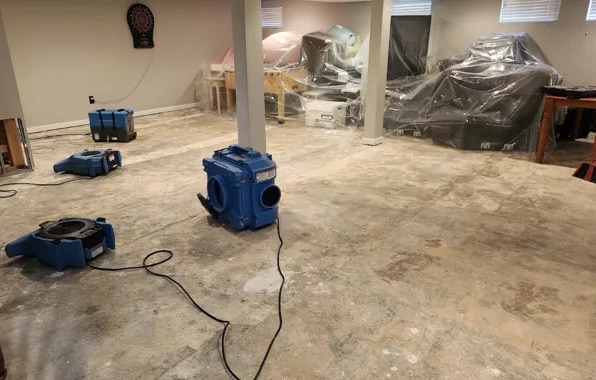
Desiccant Dehumidification: Moisture Control in Dripping Springs
After water damage in Dripping Springs, dry air pulls moisture out of wet materials. The drier the air, the faster walls, floors and framing give up their water.
In Dripping Springs, Belterra, Bear Creek and Serene Hills, builders sometimes need slabs and drywall dried before flooring goes in. The pros lower humidity on the job site to speed that up.
Specialized Desiccant Dehumidification in Dripping Springs, TX
Mold Prevention Drying
Drying continues until readings on the remaining framing are normal, before walls are closed up again.
Crawl Space Drying
Crawl spaces are cool and damp, which suits desiccant units. Dry air is pushed in to pull moisture from the joists and subfloor.
Water Damage Dehumidification
Desiccant or refrigerant dehumidifiers are chosen based on the space, the temperature and how dry the air needs to get.
Emergency Dehumidification
Help is available any hour to set up drying equipment after a leak or flood, so moisture does not sit overnight in materials.
Flood Drying Services
Flood drying pairs desiccant units with air movers aimed at wet materials, with readings taken every day until the structure is dry.
Symptoms Requiring Desiccant Dehumidification in Dripping Springs
Cold, Damp Feeling in Air
Air that feels cold and damp, especially in lower levels, can be too cool for standard dehumidifiers to work well.
Musty Smell in Stored Items
Boxes and fabrics that smell musty show the space has stayed damp too long.
Active Mold Spots
Dark spots appearing on walls or ceilings mean materials stayed damp long enough for mold.
Warped Wood Floors or Trim
Wood floors or trim that cup or warp after a leak are still taking on moisture.
How Desiccant Dehumidification Works in Dripping Springs
Step 1: Moisture Mapping
Readings across walls, floors and framing show exactly where moisture remains in the building.
Step 2: Equipment Placement
Dehumidifiers and air movers are placed where the moisture readings are highest.
Step 3: Continuous Moisture Extraction
Drying runs until the wettest areas match the rest of the building.
Step 4: Confirmation and Reporting
A report shows the starting and final moisture readings for each area that was dried.
Origins of Dampness and Desiccant Dehumidification in Dripping Springs Buildings
HVAC System Condensation Issues
Clogged AC drain lines overflow into attics, closets and the ceilings below them.
New Construction Moisture Trapped
New concrete, drywall mud and framing on job sites hold moisture until they are dried.
Roof Leaks From Damaged Shingles
Roof leaks from damaged shingles soak attic insulation, roof decking and the ceilings below.
Foundation Cracks and Seepage
Foundation cracks let groundwater seep into lower levels, keeping walls and floors damp.
Both Residential and Commercial Desiccant Dehumidification in Dripping Springs
Residential Desiccant Dehumidification
In homes, desiccant drying is most often used in crawl spaces and cool lower levels after leaks or floods. Standard units are used in warm rooms where they work well.
Commercial Desiccant Dehumidification
In commercial buildings, high-capacity desiccant units can dry large floors and high-ceiling spaces after sprinkler leaks or floods, with drying planned around business hours.
Professional Desiccant Dehumidification or DIY in Dripping Springs?
Opening windows only helps on dry, breezy days. Commercial dehumidifiers keep drying no matter what the weather outside is doing, which makes them more reliable.
Understanding Desiccant Dehumidification Expenses in Dripping Springs
Repairs after drying are a separate cost. In Dripping Springs, fully dried materials often mean fewer repairs are needed.
Type of Water Damage
Floodwater and sewage need cleaning and removal of materials before drying, which adds cost.
Access and Complexity
Crawl spaces, tight areas and large buildings take more effort to set up and monitor.
Additional Restoration Steps
Extraction, material removal and cleaning before drying are separate steps that add to the total.
Does Insurance Cover Desiccant Dehumidification?
Many homeowner policies cover drying after sudden water damage, like a burst pipe, but not long-term humidity or groundwater problems. Check your policy and call your insurer early.
Why Choose Local Pros for Desiccant Dehumidification in Dripping Springs
Damage Assessment
The full affected area is checked, including rooms next to and below the source.
Structural Drying
Walls, floors and framing are dried, not just the air in the room.
Large Projects
Large buildings and job sites get drying plans that keep work and business moving.
Emergency Desiccant Dehumidification Response for Dripping Springs
Crawl space or lower level wet after a storm? Call (512) 726-0989 now for desiccant dehumidification in Dripping Springs before the framing stays damp.
Call Now (512) 726-0989Locations for Desiccant Dehumidification Around Dripping Springs
Help with desiccant dehumidification reaches Belterra, Bear Creek and Serene Hills, plus other communities around Dripping Springs, for houses, apartments and large buildings.
- Desiccant Dehumidification in Belterra
- Desiccant Dehumidification in Bear Creek
- Desiccant Dehumidification in Serene Hills
- Desiccant Dehumidification in Falconhead
- Desiccant Dehumidification in Woodcreek
- Desiccant Dehumidification in Lakeway
- Desiccant Dehumidification in The Hills
- Desiccant Dehumidification in Briarcliff
- Emergency Damage Restoration in 78620
- Storm Damage Restoration in 78620
- Water Damage Restoration in 78620
- Water Extraction Service in 78620
- Water Leak Detection in 78620
- Water Removal Service in 78620
Answers to Top Desiccant Dehumidification Queries
How do rapid drying methods protect my property?
They dry materials before they swell, warp or grow microbes, which keeps repairs smaller.
What equipment is used for commercial building drying?
High-capacity desiccant or refrigerant dehumidifiers, air movers, moisture meters and sometimes ducting to direct dry air.
What does water damage dehumidification include?
Taking readings, placing dehumidifiers and air movers, logging progress daily and confirming materials are dry.
What happens after desiccant dehumidification is complete?
Final readings are recorded, equipment is removed and the space is ready for repairs or finishes.
Can desiccant dehumidification help prevent mold?
Yes. Lowering humidity and drying materials quickly is one of the main ways to keep mold from starting.