Coupland, TX · Williamson County
Desiccant Dehumidification in Coupland, TXEmergency Dehumidification & Construction Drying Services
After a flood, Desiccant Dehumidification in Coupland means flood drying services, emergency dehumidification and water damage dehumidification.
Answered 24/7
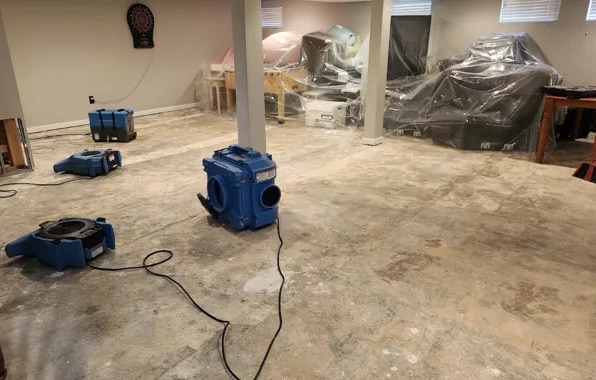
Desiccant Dehumidification Solutions in Coupland, Texas
Desiccant Dehumidification in Coupland is not needed for every job. Small leaks in warm rooms often dry well with standard dehumidifiers. Cool spaces, large buildings and dense materials are where desiccant units help most.
Homes, job sites and commercial buildings in Coupland and nearby Elgin, Taylor and Thrall sometimes need more drying power than standard equipment provides. Help with desiccant dehumidification covers those cases.
Desiccant Dehumidification Options Available in Coupland
Emergency Dehumidification
Equipment is sized to the space on the first visit and adjusted each day based on readings.
Construction Drying Services
New construction can trap moisture in concrete, drywall mud and framing. Desiccant units help dry the building before finishes go in.
Water Damage Dehumidification
Desiccant or refrigerant dehumidifiers are chosen based on the space, the temperature and how dry the air needs to get.
Mold Prevention Drying
Drying continues until readings on the remaining framing are normal, before walls are closed up again.
Firefighting Water Drying
Firefighting water can soak several rooms at once. Large drying setups remove that moisture so repairs can begin.
Indicators for Desiccant Dehumidification in Your Coupland Home
Active Mold Spots
Dark spots appearing on walls or ceilings mean materials stayed damp long enough for mold.
Visible Condensation on Windows
Windows that fog or drip inside show the air holds too much moisture for materials to dry.
Musty Smell in Stored Items
Boxes and fabrics that smell musty show the space has stayed damp too long.
Cold, Damp Feeling in Air
Air that feels cold and damp, especially in lower levels, can be too cool for standard dehumidifiers to work well.
How Desiccant Dehumidification Works in Coupland
Step 1: Moisture Mapping
Readings across walls, floors and framing show exactly where moisture remains in the building.
Step 2: Equipment Placement
Dehumidifiers and air movers are placed where the moisture readings are highest.
Step 3: Continuous Moisture Extraction
Drying runs until the wettest areas match the rest of the building.
Step 4: Confirmation and Reporting
A report shows the starting and final moisture readings for each area that was dried.
Origins of Dampness and Desiccant Dehumidification in Coupland Buildings
Roof Leaks From Damaged Shingles
Roof leaks from damaged shingles soak attic insulation, roof decking and the ceilings below.
Plumbing Leaks or Pipe Bursts
Burst pipes and leaking supply lines soak walls and floors that then need drying.
Foundation Cracks and Seepage
Foundation cracks let groundwater seep into lower levels, keeping walls and floors damp.
Appliance Malfunctions and Overflows
Washers, dishwashers and water heaters that leak leave wet floors, cabinets and walls.
Both Residential and Commercial Desiccant Dehumidification in Coupland
Residential Desiccant Dehumidification
In homes, desiccant drying is most often used in crawl spaces and cool lower levels after leaks or floods. Standard units are used in warm rooms where they work well.
Commercial Desiccant Dehumidification
In commercial buildings, high-capacity desiccant units can dry large floors and high-ceiling spaces after sprinkler leaks or floods, with drying planned around business hours.
Professional Desiccant Dehumidification or DIY in Coupland?
Do not run drying equipment on materials soaked by sewage or floodwater before they are cleaned or removed, since that spreads contamination through the house.
Factors in Desiccant Dehumidification Pricing for Coupland
Repairs after drying are a separate cost. In Coupland, fully dried materials often mean fewer repairs are needed.
Type of Water Damage
Floodwater and sewage need cleaning and removal of materials before drying, which adds cost.
Time of Response
Night, weekend and holiday setup can cost more than a scheduled weekday visit.
Moisture Saturation Level
Materials that are fully soaked take longer to dry than lightly damp ones.
Does Insurance Cover Desiccant Dehumidification?
Coverage for desiccant dehumidification depends on the cause of the water and your policy. The pros document the drying, and your insurer decides what is covered.
Why Choose Local Pros for Desiccant Dehumidification in Coupland
Structural Drying
Walls, floors and framing are dried, not just the air in the room.
24/7 Emergency Response
Help is available day or night to set up drying equipment after a leak or flood.
Desiccant Equipment
Desiccant units are used where they fit, such as cool spaces, crawl spaces and large buildings.
24/7 Emergency Desiccant Dehumidification in Coupland
The sooner drying starts, the fewer materials need replacing. Call (512) 726-0989 for desiccant dehumidification in Coupland right after a leak or flood.
Call Now (512) 726-0989Desiccant Dehumidification Near Coupland: Areas Served
Help with desiccant dehumidification reaches Elgin, Taylor and Thrall, plus other communities around Coupland, for houses, apartments and large buildings.
- Desiccant Dehumidification in Elgin
- Desiccant Dehumidification in Taylor
- Desiccant Dehumidification in Thrall
- Desiccant Dehumidification in Hutto
- Desiccant Dehumidification in Manor
- Desiccant Dehumidification in Thorndale
- Desiccant Dehumidification in Pflugerville
- Desiccant Dehumidification in Round Rock
- Emergency Damage Restoration in 78615
- Storm Damage Restoration in 78615
- Water Damage Restoration in 78615
- Water Extraction Service in 78615
- Water Leak Detection in 78615
- Water Removal Service in 78615
Common Desiccant Dehumidification Questions Answered
What areas can benefit from moisture control services?
Crawl spaces, lower levels, attics, large commercial spaces and any room where materials got wet.
What equipment is used for commercial building drying?
High-capacity desiccant or refrigerant dehumidifiers, air movers, moisture meters and sometimes ducting to direct dry air.
What does water damage dehumidification include?
Taking readings, placing dehumidifiers and air movers, logging progress daily and confirming materials are dry.
Can desiccant dehumidification help prevent mold?
Yes. Lowering humidity and drying materials quickly is one of the main ways to keep mold from starting.
What happens after desiccant dehumidification is complete?
Final readings are recorded, equipment is removed and the space is ready for repairs or finishes.