Bee Cave, TX · Travis County
Desiccant Dehumidification in Bee Cave, TXCrawl Space Drying & Water Damage Dehumidification
Property owners in Bee Cave get Desiccant Dehumidification for water damage dehumidification, crawl space drying and flood drying services.
Answered 24/7
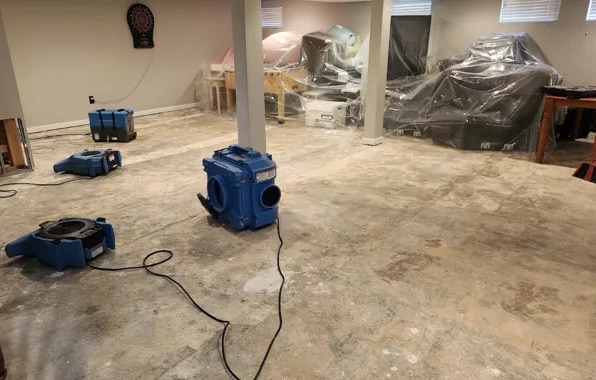
Expert Desiccant Dehumidification for Bee Cave Properties
Desiccant Dehumidification in Bee Cave is not needed for every job. Small leaks in warm rooms often dry well with standard dehumidifiers. Cool spaces, large buildings and dense materials are where desiccant units help most.
Property owners in Bee Cave can call (512) 726-0989 day or night when water damage needs drying. Service also covers Falconhead, The Hills and Serene Hills, with equipment sized to the space.
Specialized Desiccant Dehumidification in Bee Cave, TX
Crawl Space Drying
Crawl spaces are cool and damp, which suits desiccant units. Dry air is pushed in to pull moisture from the joists and subfloor.
Water Damage Dehumidification
Desiccant or refrigerant dehumidifiers are chosen based on the space, the temperature and how dry the air needs to get.
Flood Drying Services
After floodwater is pumped out, desiccant dehumidifiers can bring the air to very low humidity, which pulls moisture out of walls, floors and framing faster.
Emergency Dehumidification
Equipment is sized to the space on the first visit and adjusted each day based on readings.
Firefighting Water Drying
Drying after a fire is done once wet debris is removed, so the structure dries cleanly before rebuilding.
Warning Signs You Need Desiccant Dehumidification in Bee Cave
Strong Damp Odor in Rooms
A damp smell that stays in a room after cleanup means materials there are still holding moisture.
High Humidity Readings on Meter
A hygrometer that keeps reading high humidity days after a leak shows the space is not drying.
Warped Wood Floors or Trim
Wood floors or trim that cup or warp after a leak are still taking on moisture.
Wet Insulation in Attics or Walls
Insulation that is wet in attics or walls holds water against framing and slows drying.
How Desiccant Dehumidification Works in Bee Cave
Step 1: Emergency Moisture Evaluation
The wet area is mapped and the right size and type of dehumidifier is chosen.
Step 2: High-Capacity Setup
Large desiccant units are placed for big spaces or cool areas where standard units struggle.
Step 3: Active Drying Cycle
Dry air is moved across wet materials, with daily readings to track progress.
Step 4: Completion and Insurance Records
Final readings and daily drying logs are compiled into a record for your insurer.
What Leads to Humidity Damage Needing Desiccant Dehumidification in Bee Cave
Foundation Cracks and Seepage
Foundation cracks let groundwater seep into lower levels, keeping walls and floors damp.
Appliance Malfunctions and Overflows
Washers, dishwashers and water heaters that leak leave wet floors, cabinets and walls.
New Construction Moisture Trapped
New concrete, drywall mud and framing on job sites hold moisture until they are dried.
Roof Leaks From Damaged Shingles
Roof leaks from damaged shingles soak attic insulation, roof decking and the ceilings below.
Desiccant Dehumidification for All Property Types in Bee Cave
Residential Desiccant Dehumidification
Homes with wet attics after roof leaks may need attic drying equipment placed carefully on boards for safe footing.
Commercial Desiccant Dehumidification
Schools, offices and medical buildings may schedule equipment setup and removal after hours to limit disruption to staff and visitors.
Hiring Local Pros for Desiccant Dehumidification in Bee Cave
Opening windows only helps on dry, breezy days. Commercial dehumidifiers keep drying no matter what the weather outside is doing, which makes them more reliable.
Investing in Desiccant Dehumidification for Bee Cave Properties
Flood cleanup, crawl space access, material removal and after-hours setup all add to the total for desiccant dehumidification in Bee Cave.
Duration of Equipment Use
Drying usually takes several days, and each day of equipment use adds to the total.
Type of Water Damage
Floodwater and sewage need cleaning and removal of materials before drying, which adds cost.
Moisture Saturation Level
Materials that are fully soaked take longer to dry than lightly damp ones.
Does Insurance Cover Desiccant Dehumidification?
Coverage for desiccant dehumidification depends on the cause of the water and your policy. The pros document the drying, and your insurer decides what is covered.
Benefits of Local Pros for Desiccant Dehumidification in Bee Cave
Large Projects
Large buildings and job sites get drying plans that keep work and business moving.
Structural Drying
Walls, floors and framing are dried, not just the air in the room.
Prevention of Mold
Fast, complete drying is one of the main ways to keep mold from starting after water damage.
24/7 Desiccant Dehumidification for Bee Cave Emergencies
Crawl space or lower level wet after a storm? Call (512) 726-0989 now for desiccant dehumidification in Bee Cave before the framing stays damp.
Call Now (512) 726-0989Desiccant Dehumidification Coverage for Bee Cave and Beyond
Other places served are listed below, each with its own page.
- Desiccant Dehumidification in Falconhead
- Desiccant Dehumidification in The Hills
- Desiccant Dehumidification in Serene Hills
- Desiccant Dehumidification in Steiner Ranch
- Desiccant Dehumidification in Lakeway
- Desiccant Dehumidification in Creedmoor
- Desiccant Dehumidification in Garfield
- Desiccant Dehumidification in Jollyville
Desiccant Dehumidification FAQs
What does water damage dehumidification include?
Taking readings, placing dehumidifiers and air movers, logging progress daily and confirming materials are dry.
How do rapid drying methods protect my property?
They dry materials before they swell, warp or grow microbes, which keeps repairs smaller.
How long does crawl space drying typically take?
Often several days, depending on how wet the framing is and how cool and damp the space stays.
Can desiccant dehumidification help prevent mold?
Yes. Lowering humidity and drying materials quickly is one of the main ways to keep mold from starting.
What is desiccant dehumidification used for?
Drying spaces after water damage where standard dehumidifiers struggle, such as cool crawl spaces, large buildings and dense materials.