Austin, TX · Travis County
Deep Cleaning after Disasters in Austin, TXDisaster Debris Removal & Post-Mold Remediation Cleaning
Deep Cleaning after Disasters in Austin addresses post-flood deep cleaning, post-fire soot cleaning, and odor elimination after disasters.
Answered 24/7
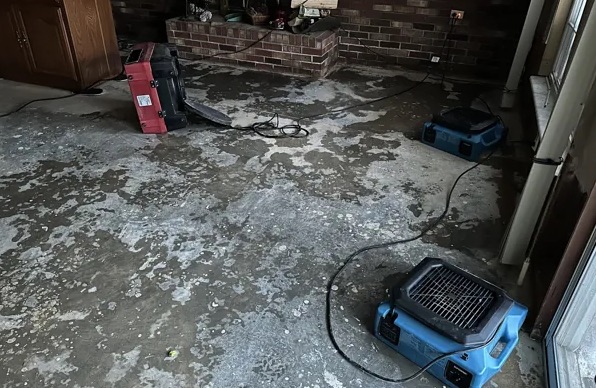
Deep Cleaning after Disasters Services in Austin, Texas
For any home in Austin, the aftermath of a disaster involves complex cleaning challenges like soot embedded in surfaces or sewage contaminants. Standard cleaning simply cannot achieve the necessary level of sanitation.
Deep cleaning after sewage backup in Austin and areas like Rollingwood, West Lake Hills and Lost Creek requires specialized methods to eliminate pathogens and odors that threaten health. Local specialists clear storm debris and clean after mold, then dry and disinfect for reoccupation.
Detailed Deep Cleaning after Disasters Methods for Austin
Disaster Debris Removal
Local deep cleaning pros handle safe debris removal from properties in Austin. This clears soaked furnishings and damaged materials, preparing the site for deep cleaning.
Post-Mold Remediation Cleaning
Nothing is left behind. Post-mold remediation cleaning is a wipe-down and vacuuming of the affected zone. It collects residual dust and spores for a result.
Storm Debris Cleanup
Interior storm damage often includes scattered debris. Material is removed carefully to protect undamaged property. It creates a safer work environment for subsequent restoration.
Post-Fire Soot Cleaning
Soot is pervasive and destructive. Dry-cleaning, vacuuming and wiping capture fine particles. It helps stop soot from etching into surfaces.
Post-Flood Deep Cleaning
Deep cleaning after a flood disinfects all affected areas. It reaches moisture in porous materials and removes harmful residue. It improves indoor air quality.
When to Schedule Deep Cleaning after Disasters in Austin
Allergic Reactions Inside the Home
Sneezing or itchy eyes indoors post-disaster point to airborne contaminants, solved by final post-disaster sanitization of the environment.
Water Stains on Drywall and Wood
Discoloration and warping materials after a flood show absorbed moisture, which deep cleaning after water damage can remediate.
Ash Dust in the HVAC System
Smoke particles moving through vents spread soot into every room the system serves.
Fine Dust on Every Item After Fire
Soot infiltrates porous materials and electronics, requiring content cleaning and restoration to salvage valuable possessions.
How Deep Cleaning after Disasters Works in Austin
Step 1: Hazardous Material Safety Removal
The experts first remove any unsafe materials like broken glass, charred wood, or contaminated items.
Step 2: Systematic Contaminant Scrubbing
Using specialized tools, the pros scrub away adhered soot, biofilm, or staining as part of professional post disaster cleaning.
Step 3: Whole-Home Sanitization Application
Disinfectants and antimicrobials are applied to all surfaces to meet the standards of final post-disaster sanitization for health safety.
Step 4: Air Scrubbing and Moisture Verification
Airborne particles are filtered out, and moisture levels are confirmed as normal, completing the deep cleaning after water damage service.
Causes of Deep Cleaning Emergencies in Austin
Sewer Line Backup or Failure
A blocked or broken main sewer line can push sewage into the home, and every surface it touched needs cleaning and disinfection.
House Fire and Smoke Damage
Fires leave corrosive soot and toxic residue on walls, ceilings and contents.
HVAC System Distributing Contaminants
Forced-air systems can spread soot or mold spores through the whole property.
Rising Floodwaters From Storms
Flash floods and heavy rains can push dirty water into homes, soaking floors and walls that then need deep cleaning.
Residential and Commercial Deep Cleaning after Disasters in Austin
Residential Deep Cleaning after Disasters
Oxidizers and sealers neutralize odors at the source. This creates a fresher, healthier indoor environment for your family.
Commercial Deep Cleaning after Disasters
Post-disaster sanitization for commercial clients involves disinfecting high-touch surfaces, restrooms, and food preparation areas to OSHA or equivalent standards.
The Risks of DIY Deep Cleaning after Disasters in Austin
Ventilate the area by opening windows if outdoor air quality is good. Yet, for widespread post fire soot cleaning on walls, fabrics, and electronics, contact the experts. Improper cleaning can grind soot deeper.
Factors in Deep Cleaning after Disasters Cost for Austin
Factors affecting your deep cleaning after disasters cost in Austin include the square footage requiring treatment and the accessibility of the damaged spaces. Confined areas or multi-story homes often require more labor and time for cleaning.
Odor Elimination Complexity
Simple surface deodorizing is less involved than treating persistent smoke or mold odors trapped in building materials. Deep-set smells need extra treatment.
Access and Safety Concerns
Hard-to-reach areas or sites with structural instability require specialized setups and slower, methodical work. Safety measures can extend the project timeline.
Content Restoration Needs
The process to salvage furniture, documents, or electronics adds specialized steps. The volume and value of items needing cleaning influence the final cost.
Does Insurance Cover Deep Cleaning after Disasters?
Professional post disaster cleaning for content restoration is often part of personal property coverage. Document every damaged item with descriptions and photos for your adjuster to assess replacement or cleaning value.
Why Choose Local Pros for Deep Cleaning after Disasters in Austin
Comprehensive Odor Elimination
Addressing odor sources at the molecular level, not just masking smells. This provides a lasting solution for post-fire or sewage odors.
Focus on Long-Term Results
The property is returned to safe, livable condition. The goal is a lasting result, not a surface clean.
Advanced Decontamination Equipment
Utilizing HEPA air scrubbers, thermal foggers, and specialized sanitizers tackles hidden residues. Proper tools are necessary for contaminant removal.
24/7 Deep Cleaning after Disasters Availability in Austin
For 24/7 emergency deep cleaning after a flood or fire in Austin, contact (512) 726-0989. A fast start prevents secondary damage to your home.
Call Now (512) 726-0989Deep Cleaning after Disasters Near Austin: Areas Served
In Austin and nearby locations like Rollingwood, West Lake Hills and Lost Creek, deep cleaning after disasters involves specialized protocols for different disaster types. The work runs from debris removal to final sanitizing.
Deep Cleaning after Disasters FAQs
What are the steps for sewage backup deep cleaning?
This involves removing contaminated materials, washing and disinfecting of affected areas with EPA-registered biocides, and often includes odor elimination due to the severe biological hazards present.
Are homes safe during the deep cleaning process?
The pros establish containment with plastic sheeting, use negative air machines, and follow safety protocols to isolate the work area and protect other parts of the home from cross-contamination.
How long does deep cleaning after sewage backup take?
It depends on the area and contamination, but removal, disinfection, drying and checks usually take several days.
Why choose deep cleaning pros for disaster cleanup services?
They use industrial equipment and a set sequence to remove visible and hidden contaminants.
Why is final post-disaster sanitization important?
Hospital-grade disinfectants kill remaining bacteria, viruses and fungi on surfaces before anyone moves back in.