Bee Cave, TX · Travis County
Crawl Space Water Removal in Bee Cave, TXCrawl Space Vapor Barrier Repair & Crawl Space Water Extraction
Crawl Space Water Removal in Bee Cave runs from emergency crawl space pump-out and crawl space debris removal to crawl space insulation replacement.
Answered 24/7
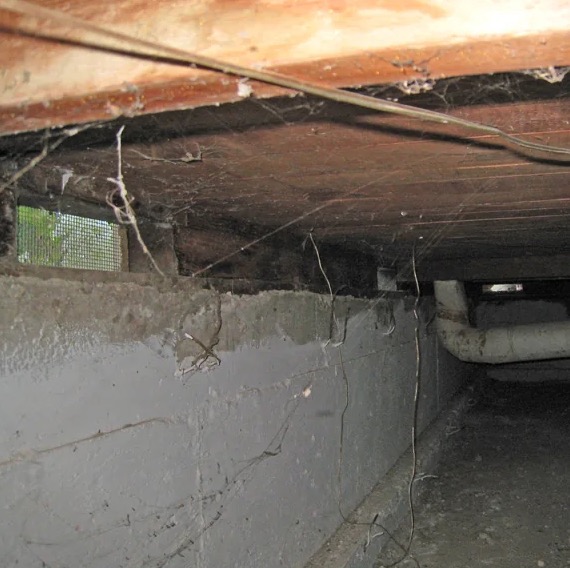
Crawl Space Water Removal Solutions in Bee Cave
A burst pipe under a house in Bee Cave can flood the crawl space before anyone notices. Low water pressure or the sound of running water under the floor are common clues.
In Bee Cave, Falconhead, The Hills and Serene Hills, crawl spaces that flood repeatedly may need drainage changes. The pros dry the space and explain the options.
Detailed Crawl Space Water Removal Offerings in Bee Cave
Crawl Space Vapor Barrier Repair
Torn or loose sections of the vapor barrier are replaced after the crawl space is dry, so ground moisture stays out of the framing.
Crawl Space Water Extraction
The crawl space is entered only after power near the water is made safe. Then pumps run until no standing water remains.
Emergency Crawl Space Pump-Out
Emergency pump-out starts with shutting off the water and checking for electrical hazards, then pumping right away.
Crawl Space Insulation Replacement
Replacing insulation only after drying keeps moisture from being trapped against the wood again.
Crawl Space Dehumidification
Dehumidifiers sized for crawl spaces bring humidity down so the joists, beams and subfloor can release the water they absorbed.
Signs Your Bee Cave Home Needs Crawl Space Water Extraction
Active Mold or Mildew
Visible mold on joists or the underside of the subfloor means the wood has stayed damp too long.
Muddy or Saturated Vapor Barrier
A vapor barrier covered in mud or water is not keeping ground moisture out of the framing.
Musty Odors From Below
A musty, earthy smell inside the house often rises from a damp crawl space below.
Efflorescence on Foundation Walls
White, powdery deposits on foundation walls show water moving through the concrete.
How Crawl Space Water Removal Works in Bee Cave
Step 1: Source Identification
The pros check plumbing, drainage and foundation to find where the water came from.
Step 2: Water Extraction
Water is pumped and extracted from the barrier, soil and low spots near the walls.
Step 3: Structural Drying
Joists, beams and subfloor are dried with directed airflow until readings drop.
Step 4: Prevention Plan
Sump pump, barrier and drainage options are explained to keep water out in the future.
Sources of Water in Your Crawl Space
Plumbing Leaks Under the House
Supply and drain pipes under the house can leak or burst into the crawl space.
HVAC Condensate Drain Overflow
AC condensate lines that drain or leak into the crawl space keep it wet.
Storm Sewer Backup or Overload
An overloaded storm sewer can back up and push water toward the house and crawl space.
Appliance Malfunction or Overflow
Washers, water heaters and dishwashers can leak through the floor into the crawl space.
Both Residential & Commercial Crawl Space Water Removal in Bee Cave
Residential Crawl Space Water Removal
Families can stay home during crawl space drying, since the equipment runs under the house with cords and hoses at the access opening.
Commercial Crawl Space Water Removal
Rental properties need crawl space water removed quickly so tenants do not deal with musty smells, pests or soft floors.
The Risks of DIY Crawl Space Water Removal in Bee Cave
Shutting off the main water valve, clearing gutters and taking photos are good first steps. Pumping and drying the crawl space needs equipment and protective gear.
Factors Affecting Crawl Space Water Removal Cost in Bee Cave
The pros inspect the crawl space before pricing crawl space water removal in Bee Cave, then explain what will be pumped, removed, dried and replaced.
Moisture Saturation
Joists and subfloor that soaked up a lot of water take longer to dry than damp surfaces.
Equipment Needs
Larger crawl spaces may need more dehumidifiers and air movers running at once.
Contamination Level
Water from drains, sewers or floods needs protective gear and cleanup, which costs more.
Does Insurance Cover Crawl Space Water Removal?
Photos, moisture readings and drying logs from local crawl space water removal pros help support an insurance claim for crawl space water damage in Bee Cave.
Advantages of Hiring Local Pros for Crawl Space Water Removal in Bee Cave
Insulation Check
Insulation is checked with meters, and only the wet sections are removed and replaced after drying.
Industry Drying Standards
Drying follows industry water damage standards, with readings taken at every visit.
Debris Removal
Mud, debris and contaminated materials are removed so the crawl space can dry and stay clean.
Urgent Crawl Space Water Removal Response in Bee Cave
Running water sound under the floor or a sudden musty smell? Call (512) 726-0989 now for crawl space water removal in Bee Cave and get it checked.
Call Now (512) 726-0989Local Crawl Space Water Removal Coverage for Bee Cave
The places below are also served, and each one has its own page.
- Crawl Space Water Removal in Falconhead
- Crawl Space Water Removal in The Hills
- Crawl Space Water Removal in Serene Hills
- Crawl Space Water Removal in Steiner Ranch
- Crawl Space Water Removal in Lakeway
- Crawl Space Water Removal in Creedmoor
- Crawl Space Water Removal in Garfield
- Crawl Space Water Removal in Jollyville
Common Crawl Space Water Removal Questions Answered
What happens during crawl space leak repair?
The leaking pipe is repaired by a plumber, and the water and wet materials under the house are removed and dried.
Why is crawl space mold prevention important?
Mold under the house can cause odors indoors and weaken wood, so drying and treating damp framing matters.
Can a wet crawl space cause mold?
Yes. Damp wood and insulation under the house can support microbial growth if they stay wet for days.
What follows crawl space water cleanup?
New insulation and barrier are installed, and drainage work is planned to prevent repeat flooding.
Should wet crawl space insulation be replaced?
Yes. Wet insulation holds water against the wood and stops insulating, so it is removed and replaced after drying.