The Hills, TX · Travis County
Basement Water Damage Restoration in The Hills, TXBasement Floor Water Removal & Basement Wall Drying
Homeowners in The Hills get Basement Water Damage Restoration for emergency basement flood cleanup, basement wall drying and basement mold prevention.
Answered 24/7
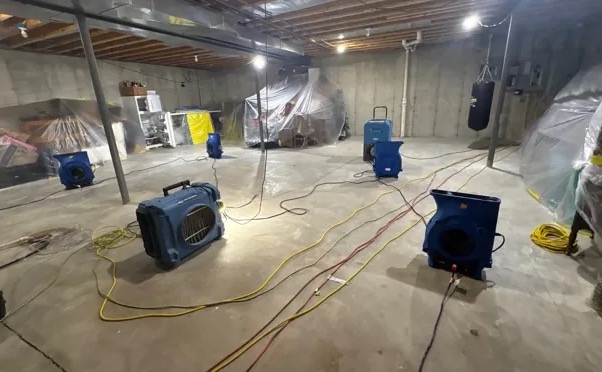
Expert Basement Water Damage Restoration Serving The Hills
Sewage backups are one of the most common problems in any basement or lower level, including in The Hills. Water coming up through a floor drain or basement toilet carries bacteria and needs a different cleanup than clean water.
Few homes in The Hills have basements, so this work usually covers the lowest part of a home: a sunken room, a below-grade garage, a utility room or a crawl space.
In The Hills, a home with a basement or below-grade room can flood after heavy rain or a blocked sewer line. Local water removal pros serve The Hills, Lakeway, Serene Hills and Falconhead, pumping out water and drying finished and unfinished spaces.
Basement Water Damage Restoration Services in The Hills
Basement Floor Water Removal
Wet carpet pad is removed from basement floors, since it holds water against the concrete and dries poorly.
Basement Wall Drying
Wet drywall is cut back above the water line when it is soaked, and the wall cavity and insulation behind it are dried or replaced.
Basement Sewer Backup Cleanup
Porous materials touched by sewage, such as carpet, pad and lower drywall, are removed. Concrete and framing are cleaned and disinfected.
Basement Drying Services
Air movers and dehumidifiers are placed to dry walls, framing and the slab. Below-grade rooms dry slowly, so readings are taken daily.
Basement Water Extraction
Submersible pumps remove deep standing water, then portable extractors pull water from carpet, pad and the concrete floor.
Signs of Basement Water Damage in The Hills
Efflorescence on Concrete Walls
White, chalky deposits on concrete walls mean water is moving through the concrete and leaving minerals behind.
Warped or Buckling Basement Floors
Laminate, wood or vinyl flooring that buckles or lifts in the basement has water underneath.
Damp or Musty Odors
A damp, earthy or musty smell in the basement often means hidden moisture in walls, carpet or the slab.
Mold on Surfaces
Dark spots on drywall, framing or stored boxes mean the area has stayed wet for days.
How Basement Water Damage Restoration Works in The Hills
Step 1: Floodwater Pump-Out
Submersible pumps remove deep water, and electrical hazards are checked before anyone walks in it.
Step 2: Deep Moisture Extraction
Extractors pull water from carpet, pad and the concrete floor after the deep water is gone.
Step 3: Air Circulation and Drying
Air movers keep dry air moving across walls and floors throughout the basement.
Step 4: Dehumidification and Verification
Dehumidifiers run until humidity and material readings confirm the basement is dry.
Typical Sources of Basement Water Damage in The Hills
Clogged Floor Drains
A floor drain blocked by debris cannot carry off water from a leak or overflow, so it spreads across the basement floor.
Sewer Line Backups
A blocked or overloaded sewer line pushes wastewater up through basement drains and toilets.
Failed or Clogged Drain Tile
Clogged or collapsed drain tile around the foundation lets water build up against the walls.
Faulty Basement Waterproofing
Old or failed waterproofing on foundation walls lets water through during wet weather.
Basement Water Damage Restoration for Homes and Businesses in The Hills
Residential Basement Water Damage Restoration
Finished basements used as living space need carpet, pad and lower drywall checked carefully. Soaked materials are removed so the walls and slab can dry.
Commercial Basement Water Damage Restoration
Businesses with below-grade storage need inventory moved out of the water quickly. Wet stock is separated and documented for insurance.
Professional Basement Water Damage Restoration or DIY in The Hills?
Do not walk into standing basement water if outlets, cords or appliances are submerged. Shut off power at the panel if you can reach it safely, then call (512) 726-0989.
Basement Water Damage Restoration Cost in The Hills, TX
Waterproofing or sump pump replacement is a separate cost from water removal and drying. In The Hills, both may be needed to prevent a repeat.
Dehumidification Needs
Large dehumidifiers may need to run longer in below-grade spaces than in upper floors.
Material Saturation
Finished basements with carpet, drywall and insulation take more removal work than bare concrete.
Access Complexity
Narrow stairs, low ceilings and stored contents can make the work slower.
Does Insurance Cover Basement Water Damage Restoration?
Photos, moisture readings and drying logs from local water removal pros help support an insurance claim for basement water damage in The Hills.
Advantages of Hiring Local Pros in The Hills for Basement Water Damage Restoration
Containment Strategies
Plastic sheeting keeps contaminated areas separate from clean parts of the house.
Industry Drying Standards
Drying follows industry water damage standards, with readings taken at every visit.
Advanced Moisture Detection
Moisture meters and thermal cameras find water in walls and slabs that looks dry.
Emergency Basement Water Damage Restoration Available in The Hills
A flooded basement damages walls, furnaces, water heaters and belongings quickly. Call (512) 726-0989 for basement water damage restoration in The Hills at any hour.
Call Now (512) 726-0989Local Basement Water Damage Restoration Coverage: The Hills and Beyond
Help with basement water damage restoration is also available in communities near The Hills, including Lakeway, Serene Hills and Falconhead, for flooded basements and sewer backups.
- Basement Water Damage Restoration in Lakeway
- Basement Water Damage Restoration in Serene Hills
- Basement Water Damage Restoration in Falconhead
- Basement Water Damage Restoration in Point Venture
- Basement Water Damage Restoration in Bee Cave
- Basement Water Damage Restoration in Steiner Ranch
- Basement Water Damage Restoration in Briarcliff
- Basement Water Damage Restoration in Spicewood
- Emergency Damage Restoration in 78738
- Storm Damage Restoration in 78738
- Water Damage Restoration in 78738
- Water Extraction Service in 78738
- Water Leak Detection in 78738
- Water Removal Service in 78738
Basement Water Damage Restoration FAQs
How is basement restoration documented for insurance?
With photos of the water level and damage, moisture readings, a list of removed materials and daily drying logs.
Is basement floor water removal different from carpet extraction?
Yes. Bare concrete is squeegeed and dried, while carpet and pad need extraction, and the pad is usually replaced.
Why is quick action important for below-grade flood restoration?
Basements dry slowly, so every hour of standing water adds days of drying and more material to replace.
What equipment is used for below-grade water damage repair?
Submersible pumps, extractors, air movers, large dehumidifiers, moisture meters and air scrubbers for dust and odor.
What is involved in basement water damage restoration?
Pumping out water, removing soaked materials, cleaning contaminated areas, drying walls, framing and concrete, and dehumidifying until readings are normal.