Cedar Park, TX · Williamson County
Basement Water Damage Restoration in Cedar Park, TXBasement Floor Water Removal & Basement Mold Prevention
Basement Water Damage Restoration in Cedar Park runs from basement water extraction and basement floor water removal to basement dehumidification.
Answered 24/7
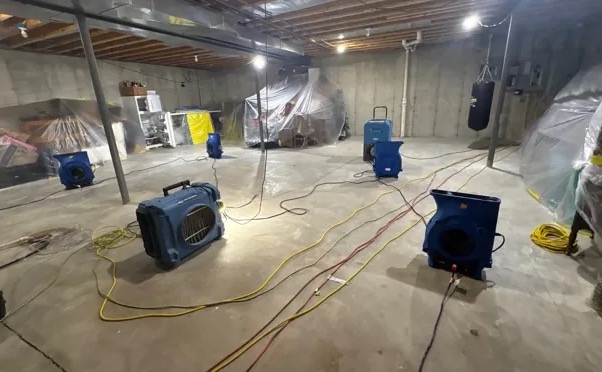
Local Basement Water Damage Restoration Near Cedar Park
In a Cedar Park home with a basement and a sump pump, a pump that fails during heavy rain lets water rise fast. Furnaces, water heaters, washers and stored belongings all sit at floor level and take the damage first.
Basements are uncommon in Cedar Park. The same extraction and drying steps apply to slab-level rooms, sunken dens and garages that take on water.
A finished basement or lower level in Cedar Park or Leander, Anderson Mill and Brushy Creek can hide old moisture behind drywall and flooring. The pros find the water and dry the space before more damage sets in.
Basement Water Damage Restoration Services in Cedar Park
Basement Floor Water Removal
Water on a concrete floor is squeegeed and extracted, and floor coverings such as carpet, vinyl or laminate are lifted to dry the slab.
Basement Mold Prevention
Fast extraction and drying are the main ways to limit microbial growth in a basement. Surfaces that stayed wet can be treated once dry.
Basement Water Extraction
Extraction starts at the lowest point, often near the floor drain or sump, and works outward until no pooled water remains.
Basement Sewer Backup Cleanup
Porous materials touched by sewage, such as carpet, pad and lower drywall, are removed. Concrete and framing are cleaned and disinfected.
Emergency Basement Flood Cleanup
Help is available any hour when water is rising in the basement from a burst pipe, a sewer backup or heavy rain.
When to Consider Basement Water Damage Restoration for Your Cedar Park Home
High Humidity Levels Below-Grade
A basement that stays damp and clammy even on dry days has a moisture source that needs attention.
Sewage Odors or Backups
Sewage smells or water coming up through a floor drain mean the sewer line is backing up.
Mold on Surfaces
Dark spots on drywall, framing or stored boxes mean the area has stayed wet for days.
Wet or Stained Basement Walls
Dark, wet patches or tide lines on basement walls show where water seeped in or wicked up.
How Basement Water Damage Restoration Works in Cedar Park
Step 1: Source Control and Extraction
The pipe is shut off, the sump restarted or the backup stopped, then the water is pumped out.
Step 2: Structural Drying Setup
Lower drywall is removed where soaked, and equipment is placed to dry wall cavities and the slab.
Step 3: Contaminant Removal
Materials touched by sewage or dirty water are removed and hard surfaces are cleaned and disinfected.
Step 4: Monitoring and Completion
Daily readings track drying until every material is normal, then equipment is removed.
Typical Sources of Basement Water Damage in Cedar Park
HVAC Condensate Line Overflow
A clogged furnace or air conditioner condensate line can overflow onto the floor of a basement or lower-level utility room.
Clogged Floor Drains
A floor drain blocked by debris cannot carry off water from a leak or overflow, so it spreads across the basement floor.
Window Well Flooding
Window wells without drains or covers fill with rain and leak through basement windows.
Water Heater or Appliance Leaks
Water heaters, washers and utility sinks in the basement can leak or fail without warning.
Residential and Commercial Basement Water Damage Restoration in Cedar Park
Residential Basement Water Damage Restoration
A sewer backup in a home basement needs contaminated carpet, pad and drywall removed and every hard surface disinfected before drying.
Commercial Basement Water Damage Restoration
In restaurants and stores with basements, sewage backups need fast containment so contamination does not reach food or customer areas.
DIY vs. Professional Basement Water Damage Restoration in Cedar Park
Sewage in a basement should not be cleaned up without gloves, boots and eye protection. For any backup through a floor drain or toilet, call local restoration pros.
Factors Affecting Basement Water Damage Restoration Cost in Cedar Park
A basement pumped and dried right away in Cedar Park usually costs less than one left wet for days, when more drywall and flooring are lost.
Water Category
Clean water costs less to handle than sewage, which needs protective gear, removal and disinfection.
Drying Time Required
Basements dry slowly, and longer drying means more equipment days and monitoring visits.
Emergency Service
Night, weekend and storm calls can cost more than a scheduled visit.
Does Insurance Cover Basement Water Damage Restoration?
Photos, moisture readings and drying logs from local restoration pros help support an insurance claim for basement water damage in Cedar Park.
The Value of Local Pros for Basement Water Damage Restoration in Cedar Park
Structural Integrity Assessment
Walls, stairs and framing are checked for damage before work begins in the basement.
Advanced Moisture Detection
Moisture meters and thermal cameras find water in walls and slabs that looks dry.
Detailed Documentation
Photos, readings and drying logs are kept to support your insurance claim.
Round-the-Clock Emergency Basement Water Damage Restoration in Cedar Park
Sewage coming up through a floor drain? Stop using water in the house and call (512) 726-0989 now for basement water damage restoration in Cedar Park.
Call Now (512) 726-0989Local Basement Water Damage Restoration Coverage: Cedar Park and Beyond
Basement water removal and drying also cover homes and buildings in Leander, Anderson Mill and Brushy Creek, close to Cedar Park, day or night.
- Basement Water Damage Restoration in Leander
- Basement Water Damage Restoration in Anderson Mill
- Basement Water Damage Restoration in Brushy Creek
- Basement Water Damage Restoration in Jonestown
- Basement Water Damage Restoration in Jollyville
- Basement Water Damage Restoration in Wells Branch
- Basement Water Damage Restoration in Lago Vista
- Basement Water Damage Restoration in Steiner Ranch
- Emergency Damage Restoration in 78613
- Storm Damage Restoration in 78613
- Water Damage Restoration in 78613
- Water Extraction Service in 78613
- Water Leak Detection in 78613
- Water Removal Service in 78613
- Emergency Damage Restoration in 78630
- Storm Damage Restoration in 78630
Frequently Asked Questions About Basement Water Damage Restoration
How is basement restoration documented for insurance?
With photos of the water level and damage, moisture readings, a list of removed materials and daily drying logs.
How long does below-grade drying take after a flood?
Often several days or longer, since concrete and cool basement air dry slowly. Daily readings show progress.
What does below-grade moisture removal include beyond pumping?
Extracting carpet and pad, opening wet walls, running air movers and dehumidifiers, and checking readings until dry.
What is involved in basement water damage restoration?
Pumping out water, removing soaked materials, cleaning contaminated areas, drying walls, framing and concrete, and dehumidifying until readings are normal.
What equipment is used for below-grade water damage repair?
Submersible pumps, extractors, air movers, large dehumidifiers, moisture meters and air scrubbers for dust and odor.