Bastrop, TX · Bastrop County
Basement Water Damage Restoration in Bastrop, TXBasement Drying Services & Basement Wall Drying
Basement Water Damage Restoration in Bastrop runs from basement water extraction and basement floor water removal to basement dehumidification.
Answered 24/7
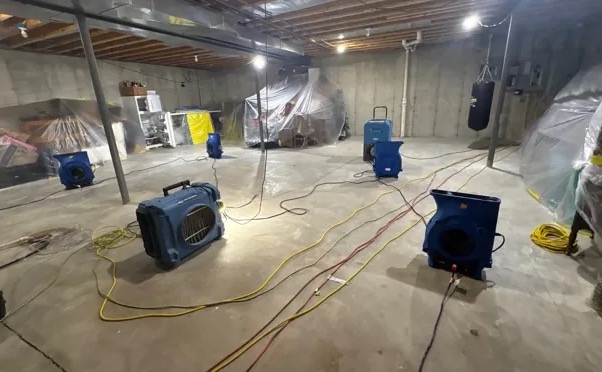
Professional Basement Water Damage Restoration in Bastrop, TX
In a Bastrop home with a basement and a sump pump, a pump that fails during heavy rain lets water rise fast. Furnaces, water heaters, washers and stored belongings all sit at floor level and take the damage first.
Few homes in Bastrop have basements, so this work usually covers the lowest part of a home: a sunken room, a below-grade garage, a utility room or a crawl space.
Homeowners in Bastrop can call (512) 726-0989 day or night when water is rising in the basement. Service also covers Wyldwood, Smithville and Garfield, with the same pumping and drying steps.
Complete Basement Water Damage Restoration for Bastrop
Basement Drying Services
Drying a basement takes longer than drying an upper floor because the air is cool and the concrete holds moisture.
Basement Wall Drying
Concrete and block walls are dried with directed airflow and dehumidifiers, and checked with meters until readings drop.
Basement Water Extraction
Extraction starts at the lowest point, often near the floor drain or sump, and works outward until no pooled water remains.
Basement Floor Water Removal
Wet carpet pad is removed from basement floors, since it holds water against the concrete and dries poorly.
Basement Dehumidification
Large dehumidifiers pull moisture from the basement air so walls, framing and the slab can release their water.
Warning Signs You Need Basement Water Damage Restoration
Damp or Musty Odors
A damp, earthy or musty smell in the basement often means hidden moisture in walls, carpet or the slab.
Condensation on Windows or Pipes
Water beading on cold pipes or basement windows shows high humidity that keeps materials damp.
Standing Water in the Basement
Any standing water on the basement floor needs pumping right away, before it soaks walls and framing.
Mold on Surfaces
Dark spots on drywall, framing or stored boxes mean the area has stayed wet for days.
How Basement Water Damage Restoration Works in Bastrop
Step 1: Water Removal
Pumps and extractors remove standing water from the basement floor, starting at the lowest point.
Step 2: Targeted Moisture Evaporation
Air movers are aimed at wet walls, framing and the slab to speed evaporation.
Step 3: Humidity Control
Large dehumidifiers pull moisture from the basement air, with readings checked every day.
Step 4: Final Verification and Restoration
Final readings confirm the basement is dry, and the space is ready for drywall and flooring repairs.
What Causes Basement Water Damage Restoration in Bastrop
Failed or Clogged Drain Tile
Clogged or collapsed drain tile around the foundation lets water build up against the walls.
Clogged Floor Drains
A floor drain blocked by debris cannot carry off water from a leak or overflow, so it spreads across the basement floor.
Window Well Flooding
Window wells without drains or covers fill with rain and leak through basement windows.
HVAC Condensate Line Overflow
A clogged furnace or air conditioner condensate line can overflow onto the floor of a basement or lower-level utility room.
Residential and Commercial Basement Water Damage Restoration in Bastrop
Residential Basement Water Damage Restoration
Finished basements used as living space need carpet, pad and lower drywall checked carefully. Soaked materials are removed so the walls and slab can dry.
Commercial Basement Water Damage Restoration
Businesses with below-grade storage need inventory moved out of the water quickly. Wet stock is separated and documented for insurance.
Basement Water Damage Restoration vs. DIY: When to Call the Pros
If a small leak left a puddle on bare concrete, a wet vac and a dehumidifier may be enough. Call local water removal pros if water reached drywall, carpet or framing, or if it came from a sewer drain.
Cost Considerations for Basement Water Damage Restoration in Bastrop
Sewage cleanup, finished walls, storm-night calls and damaged appliances all add to the total for basement water damage restoration in Bastrop.
Emergency Service
Night, weekend and storm calls can cost more than a scheduled visit.
Dehumidification Needs
Large dehumidifiers may need to run longer in below-grade spaces than in upper floors.
Drying Time Required
Basements dry slowly, and longer drying means more equipment days and monitoring visits.
Does Insurance Cover Basement Water Damage Restoration?
Flood damage from rising outside water usually needs flood insurance. Water from inside the home, like a broken pipe, is more often covered.
The Value of Local Pros for Basement Water Damage Restoration in Bastrop
Containment Strategies
Plastic sheeting keeps contaminated areas separate from clean parts of the house.
24/7 Emergency Response
Help is available day or night when water is rising in the basement.
Industry Drying Standards
Drying follows industry water damage standards, with readings taken at every visit.
Emergency Basement Water Damage Restoration Available in Bastrop
Water rising in your basement in Bastrop? Shut off power to the basement if it is safe, move what you can and call (512) 726-0989. Help is available 24/7.
Call Now (512) 726-0989Basement Water Damage Restoration Serving Bastrop, Wyldwood, Smithville and Garfield
Help with basement water damage restoration is also available in communities near Bastrop, including Wyldwood, Smithville and Garfield, for flooded basements and sewer backups.
- Basement Water Damage Restoration in Wyldwood
- Basement Water Damage Restoration in Smithville
- Basement Water Damage Restoration in Garfield
- Basement Water Damage Restoration in Elgin
- Basement Water Damage Restoration in Hornsby Bend
- Basement Water Damage Restoration in Del Valle
- Basement Water Damage Restoration in Manor
- Basement Water Damage Restoration in Giddings
- Emergency Damage Restoration in 78602
- Storm Damage Restoration in 78602
- Water Damage Restoration in 78602
- Water Extraction Service in 78602
- Water Leak Detection in 78602
- Water Removal Service in 78602
Frequently Asked Questions About Basement Water Damage Restoration
What is the purpose of basement wall drying?
To remove water from drywall, insulation, framing and concrete so the walls can be repaired without trapping moisture.
What are signs of hidden moisture after below-grade water extraction?
Musty smells, tide lines on walls, damp carpet edges and moisture readings that stay high in walls or the slab.
Why is quick action important for below-grade flood restoration?
Basements dry slowly, so every hour of standing water adds days of drying and more material to replace.
What does below-grade moisture removal include beyond pumping?
Extracting carpet and pad, opening wet walls, running air movers and dehumidifiers, and checking readings until dry.
How is basement restoration documented for insurance?
With photos of the water level and damage, moisture readings, a list of removed materials and daily drying logs.