Kyle, TX · Hays County
Attic Water Extraction in Kyle, TXEmergency Attic Water Extraction & Attic Moisture Inspection
Attic Water Extraction in Kyle runs from attic leak water cleanup and attic drying services to ceiling water damage cleanup.
Answered 24/7
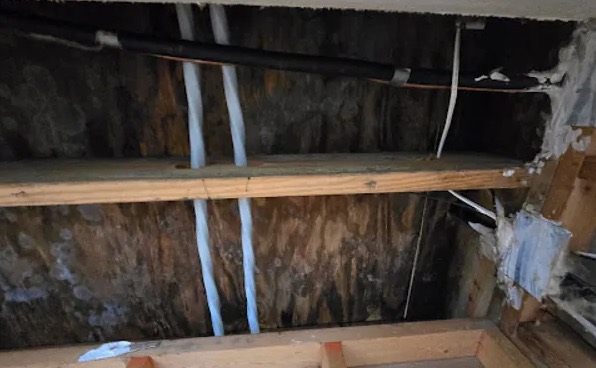
Local Attic Water Extraction Services in Hays County
Attic Water Extraction in Kyle is planned around safety. Wet wiring, light fixtures and sagging drywall are checked before anyone works in the attic or the room below.
A storm in Kyle can push water into an attic in one night. Local water damage pros serve Kyle and nearby Plum Creek, Mountain City and Shadow Creek, with extraction available around the clock.
Detailed Attic Water Extraction Offerings in Kyle
Emergency Attic Water Extraction
Emergency extraction in an attic starts with catching active drips, then pulling pooled water from between joists with wet vacs and pumps.
Attic Moisture Inspection
Moisture meters and thermal cameras check decking, rafters, insulation and ceiling drywall for water that is not visible.
Ceiling Water Damage Cleanup
The ceiling under a wet attic is checked with a meter. Damp drywall may dry in place, while sagging drywall is drained and removed.
Attic Mold Prevention
Once wood is dry, roof decking and rafters that stayed wet can be treated with an antimicrobial to slow microbial growth.
Attic Drying Services
Drying runs until wood framing and ceiling drywall reach normal readings. Equipment is moved as each area dries.
Detecting the Need for Attic Water Extraction in Your Attic
Water Dripping From Light Fixtures
Water dripping from a ceiling light or fan is a sign of an active leak above. Turn off that circuit.
Puddles or Standing Water
Pooled water on the attic floor or on top of drywall needs extraction right away.
Condensation on Attic Surfaces
Droplets or damp patches on the underside of the roof decking point to a moisture and ventilation problem.
Increased Indoor Humidity
Upstairs rooms that feel humid or clammy may have moisture coming down from the attic.
How Attic Water Extraction Works in Kyle
Step 1: Emergency Water Extraction
Active drips are caught and pooled water is vacuumed from the decking and drywall tops right away.
Step 2: Wet Insulation Removal
Soaked insulation is bagged and removed so air can reach the wood and the ceiling drywall below.
Step 3: Attic Drying Process
Air movers and dehumidifiers are set on boards across the joists and run until readings drop.
Step 4: Final Moisture Inspection
Readings on decking, rafters and the ceiling confirm the attic is dry before new insulation goes in.
Why Attics Need Water Extraction in Kyle
HVAC System Condensate Overflow
AC air handlers in the attic overflow when the condensate line clogs or the pan cracks.
Skylight or Chimney Flashing Failure
Worn flashing around skylights and chimneys lets rain run down into the attic.
Condensation From Poor Ventilation
Warm, moist air from the house condenses on roof decking when the attic lacks ventilation.
Plumbing Leaks in Attic
Supply lines and water heaters in the attic can leak or burst onto the ceiling below.
Attic Water Extraction for All Properties in Kyle
Residential Attic Water Extraction
At home, attic water usually ends up on a bedroom or hallway ceiling. Water is extracted from above, wet insulation removed and the ceiling below dried or replaced.
Commercial Attic Water Extraction
In commercial buildings, water above a drop ceiling soaks tiles and insulation across several rooms. Wet tiles come down and the space above them is extracted and dried.
Attic Water Extraction vs. DIY: When to Call the Pros
Do not walk on attic drywall between the joists. It will not hold your weight. If water is pooled up there, call (512) 726-0989 instead of trying to reach it.
What Influences Attic Water Extraction Cost in Kyle
Storm calls, tight attic access, insulation replacement and ceiling repair all add to the total for attic water extraction in Kyle.
Mold Prevention Steps
Antimicrobial treatment of wood that stayed wet is an added step, priced by area.
Size of the Affected Area
A leak that spread across the whole attic costs more than one confined to a single bay.
Access and Complexity
Low headroom, tight access hatches and narrow joists make the work slower.
Does Insurance Cover Attic Water Extraction?
Insurers often want to know what caused the leak and when it started. Notes on the leak point and roof condition help answer that.
Selecting Local Pros for Attic Water Extraction in Kyle
Detailed Documentation
Photos, readings and drying logs are kept to support your insurance claim.
Ceiling Damage Mitigation
Sagging ceilings are drained and removed safely before they can fall into the room.
Roof Leak Location
The leak point is marked and photographed so the roofer can fix the right spot.
Urgent Attic Water Extraction Available in Kyle
Water in the attic soaks the ceiling below fast. Call (512) 726-0989 for attic water extraction in Kyle at any hour, including storms and holidays.
Call Now (512) 726-0989Attic Water Extraction for Kyle and Surrounding Communities
Besides Kyle, local water damage pros remove attic water, wet insulation and soaked ceilings in nearby Plum Creek, Mountain City and Shadow Creek.
- Attic Water Extraction in Plum Creek
- Attic Water Extraction in Mountain City
- Attic Water Extraction in Shadow Creek
- Attic Water Extraction in Uhland
- Attic Water Extraction in Buda
- Attic Water Extraction in Maxwell
- Attic Water Extraction in San Marcos
- Attic Water Extraction in Martindale
- Emergency Damage Restoration in 78640
- Storm Damage Restoration in 78640
- Water Damage Restoration in 78640
- Water Extraction Service in 78640
- Water Leak Detection in 78640
- Water Removal Service in 78640
Frequently Asked Questions About Attic Water Extraction
How do I know if I need emergency water extraction in the attic?
If water is dripping, the ceiling is bulging or stained, or you can see pooled water in the attic, call right away.
What should I do while waiting for water damage help?
Catch drips with a bucket, move belongings, keep away from sagging ceilings and turn off power to wet fixtures.
Why is a moisture inspection important after extraction?
Extraction removes pooled water, but wood and drywall stay wet inside. Meters show what still needs drying.
Why is wet insulation removal often necessary?
Soaked insulation stays wet for a long time, adds weight to the ceiling and loses its insulating value.
Is microbial growth common after an attic leak?
It is more likely when wood and insulation stay wet for days. Fast extraction and drying lower that risk.