Taylor, TX · Williamson County
Apartment Water Damage Restoration in Taylor, TXApartment Wet Carpet Drying & Apartment Leak Repair Coordination
Local water extraction experts provide Apartment Water Damage Restoration in Taylor, including emergency apartment water extraction, apartment wet carpet drying and apartment moisture inspection.
Answered 24/7
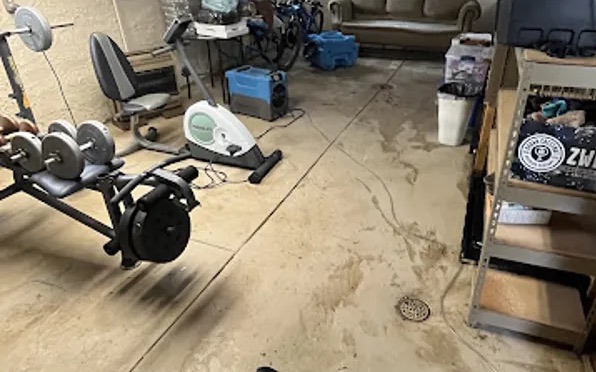
Trusted Apartment Water Damage Restoration for the Taylor Area
Apartment Water Damage Restoration in Taylor deals with the problems that are common in multi-unit buildings: supply line failures, overflowing tubs, leaking water heaters and water coming through the ceiling from above.
Tenants and managers in Taylor can call (512) 726-0989 day or night when water starts spreading. Service also covers Thrall, Coupland and Hutto, with the same process for garden-style, mid-rise and high-rise buildings.
Apartment Water Damage Restoration Services in Taylor
Apartment Wet Carpet Drying
Carpet in a clean water leak can often be dried in place. Pad soaked with dirty water is removed and replaced.
Apartment Leak Repair Coordination
The pros find where the water is coming from, whether a supply line, a drain or the unit above, so the building's plumber or manager knows what to repair.
Apartment Drying Services
Drying equipment in an apartment is set up to fit the space and keep walkways open, so residents can often stay during drying.
Apartment Moisture Inspection
Moisture meters and thermal cameras check walls, floors and ceilings for water that is not visible, including shared walls with the next unit.
Apartment Flood Cleanup
Standing water is removed first, wet belongings are moved to a dry room, and soaked materials that cannot be saved are taken out.
Warning Signs You Need Apartment Water Damage Restoration
High Humidity and Condensation
Foggy windows and damp air in the unit can mean wet materials are releasing moisture.
Leaking Appliances or Fixtures
Drips or puddles around a washer, dishwasher, water heater or toilet point to a failing connection.
Sagging or Stained Drywall
A soft, bulging or stained section of drywall is holding water and may need to be cut out.
Peeling Paint or Wallpaper
Paint that bubbles or wallpaper that lifts from the wall often has water behind it.
How Apartment Water Damage Restoration Works in Taylor
Step 1: Initial Assessment and Containment
The pros check safety, find the leak source and close off wet areas from the rest of the unit.
Step 2: Apartment Water Removal and Extraction
Water is extracted from carpet, pad and hard floors, and wet belongings are moved to a dry room.
Step 3: Structural Drying and Monitoring
Wall cavities and subfloors get directed airflow, and the equipment is adjusted as readings change.
Step 4: Final Verification and Documentation
Final readings confirm the unit is dry, and photos and logs are shared with the tenant and manager.
Frequent Sources of Water Damage in Taylor Apartments
Window Seal Failures
Worn window seals and flashing let rainwater run into walls during storms.
Roof Leaks From Storms
Damaged roofing lets rain into top-floor units, staining ceilings and soaking insulation.
HVAC System Condensation Issues
A clogged AC condensate line or full drain pan overflows into closets and ceilings.
Overflowing Bathtubs or Sinks
Tubs and sinks left running overflow onto bathroom floors and through the ceiling below.
Versatile Apartment Water Damage Restoration Across Taylor Properties
Residential Apartment Water Damage Restoration
Residents can often stay in the unit during drying. Equipment is placed to keep bedrooms, the kitchen and walkways usable wherever possible.
Commercial Apartment Water Damage Restoration
In commercial spaces on the ground floor of mixed-use buildings, drying and any removal work are planned around business hours to limit disruption to shops, offices and their customers.
Why DIY Often Falls Short for Apartment Water Damage Restoration in Taylor
Tenants can shut off the water at the fixture, move belongings and take photos. Drying walls, subfloors and ceilings needs moisture meters and equipment, and the building may need to approve the work.
Budgeting for Apartment Water Damage Restoration in the Taylor Area
Upper floors, tight units and shared walls can add time to apartment water damage restoration in Taylor, along with after-hours calls and any repairs needed after drying.
Mold Prevention Needs
Antimicrobial treatment of surfaces that stayed wet is an extra step priced by area.
Drying Time Required
Drying usually takes several days, and longer drying means more equipment time.
Water Category
Clean water from a supply line costs less to handle than water from a drain or sewer backup.
Does Insurance Cover Apartment Water Damage Restoration?
In an apartment, the building owner's policy usually covers the structure, while a renter's policy covers your belongings. Tell both your landlord and your insurer about the leak early.
The Value of Local Pros for Taylor Apartment Water Damage Restoration
Focused Mold Prevention
Wet materials are dried quickly, and surfaces that stayed wet can be treated after drying.
Detailed Documentation
Photos, readings and drying logs are kept for tenants, managers and insurers.
Content Protection
Furniture and belongings are moved out of the water and blocked up off wet carpet.
Around-the-Clock Apartment Water Damage Restoration in Taylor, TX
If water is near outlets or the ceiling is bulging, leave the room and shut off power if it is safe. Then call (512) 726-0989 for help in Taylor.
Call Now (512) 726-0989Local Apartment Water Damage Restoration Areas Including Taylor, Texas
Apartment water extraction and drying also cover complexes and rental homes in Thrall, Coupland and Hutto, close to Taylor.
- Apartment Water Damage Restoration in Thrall
- Apartment Water Damage Restoration in Coupland
- Apartment Water Damage Restoration in Hutto
- Apartment Water Damage Restoration in Granger
- Apartment Water Damage Restoration in Thorndale
- Apartment Water Damage Restoration in Round Rock
- Apartment Water Damage Restoration in Pflugerville
- Apartment Water Damage Restoration in Bartlett
- Emergency Damage Restoration in 76574
- Storm Damage Restoration in 76574
- Water Damage Restoration in 76574
- Water Extraction Service in 76574
- Water Leak Detection in 76574
- Water Removal Service in 76574
Apartment Water Damage Restoration Common Questions Answered
Who pays for apartment water damage restoration in a rental?
It depends on the lease and the cause. The owner's policy usually covers the building and a renter's policy covers belongings.
What is apartment water damage restoration?
It is the extraction, drying and repair of water damage in an apartment, including shared walls and ceilings the water reached in neighboring units.
What records are provided for apartment water damage?
Photos, moisture readings, a list of removed materials and daily drying logs for the tenant, manager and insurers.
What is the first step in emergency water extraction for an apartment?
Stopping the source, often by shutting off the fixture or the unit's main valve, then extracting standing water right away.
Can apartment water damage lead to mold?
Yes. Materials that stay wet for more than a day or two can support microbial growth, so drying quickly is the main way to prevent it.