The Hills, TX · Travis County
AC Unit Water Removal in The Hills, TXAC Leak Water Cleanup & Wet AC Unit Component Drying
AC Unit Water Removal in The Hills handles AC drain pan water extraction, AC leak water cleanup and AC leak mold prevention before the water spreads.
Answered 24/7
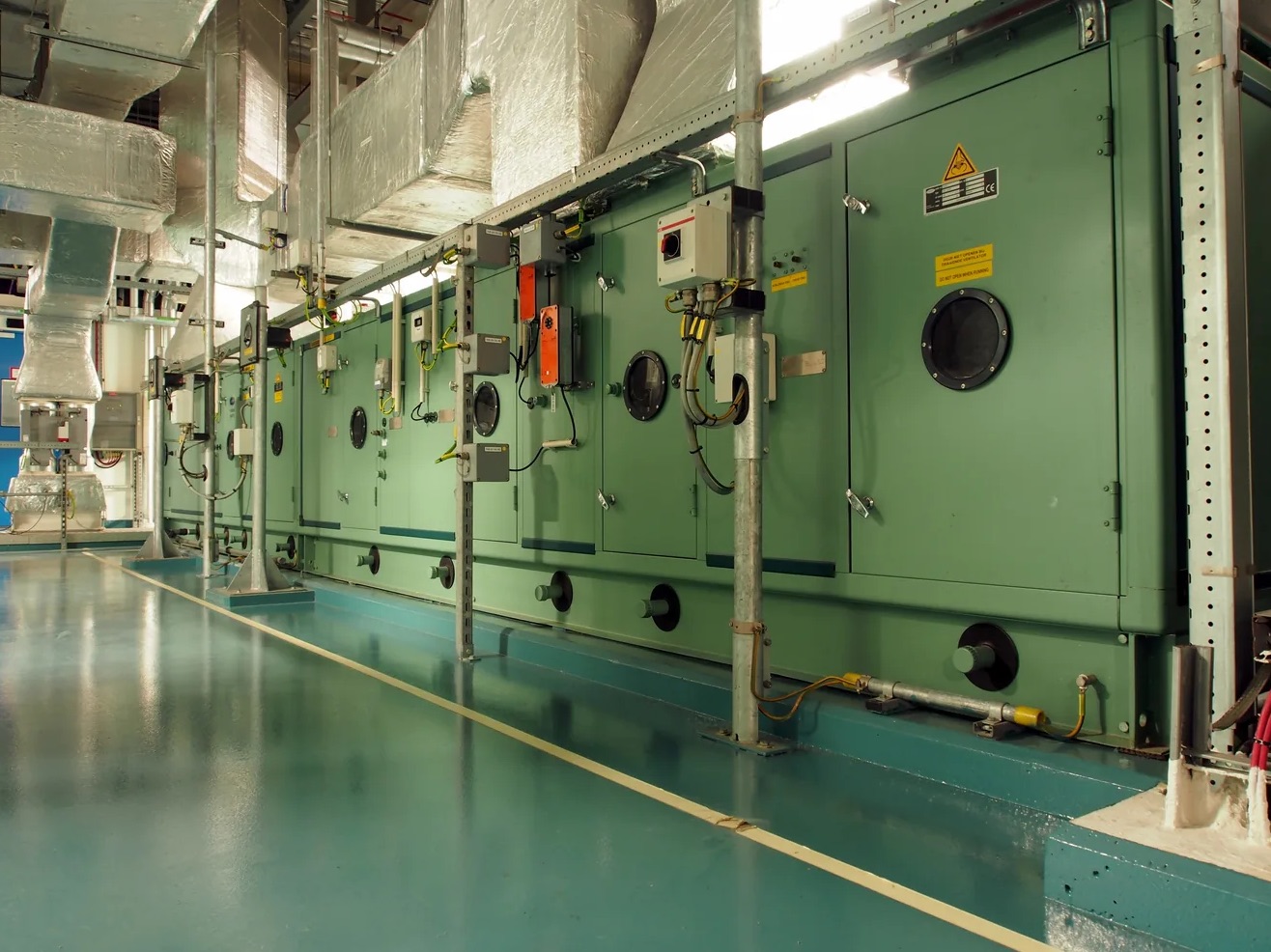
AC Unit Water Removal Near The Hills: What to Expect
Most AC leaks start small: a drip in the furnace closet or a faint stain under an attic unit. In The Hills, the drain pan can fill and overflow for days before anyone notices the damage.
Homes in The Hills and nearby Lakeway, Serene Hills and Falconhead run air conditioning for much of the year, so clogged condensate lines and full drain pans are common. Local AC unit water removal pros remove the water, clear the drain and dry the ceilings, walls and floors the leak reached.
Comprehensive AC Unit Water Removal Solutions in The Hills
AC Leak Water Cleanup
Standing water around the indoor unit is pumped and vacuumed up first, before it wicks into drywall, baseboards or the subfloor.
Wet AC Unit Component Drying
Wet blower motors, panels and wiring are dried with gentle airflow and dehumidifiers rather than direct heat, which lowers the risk of corrosion and shorts.
AC Leak Water Extraction
Extractors and pumps pull water from carpet, pad and hard floors around the unit, then hidden moisture is mapped in the subfloor.
Emergency AC Water Removal
Fast extraction limits how far the water travels into framing and insulation, and lets drying equipment go in sooner.
Air Conditioner Restoration Services
Work finishes with cleanup and a check that the unit drains properly, so the leak does not return.
Warning Signs You Need AC Unit Water Removal
Water on the Floor
A puddle around the air handler or furnace closet is the most direct sign of a leak.
Reduced Cooling Efficiency
A clogged drain can trip a float switch or starve the coil of airflow, so the system runs longer and cools less.
Water Stains on Walls
Brown rings or peeling paint on the ceiling under an attic unit, or on walls near the closet, point to a slow leak.
Wet AC Unit Components
Damp coils, a wet blower compartment or moisture around wiring inside the cabinet mean water is collecting where it should not.
How AC Unit Water Removal Works in The Hills
Step 1: Emergency AC Water Removal
The unit is shut off and standing water is extracted from the drain pan, the floor and any carpet or pad it reached.
Step 2: AC Condensation Line Clearing
The drain line is flushed or vacuumed clear of algae and sludge, so condensate flows outside again.
Step 3: Wet AC Unit Component Drying
Air movers and a dehumidifier dry the cabinet interior and the walls, floor or ceiling around the unit.
Step 4: AC Leak Mold Prevention
Once readings show dry, wood and drywall that stayed wet can be treated with an antimicrobial.
Frequent Sources of AC Water Damage
Disconnected Drain Line
A drain line knocked loose in the attic or closet empties condensate onto the ceiling or floor.
Damaged AC Drain Pan
Metal pans rust through and plastic pans crack with age, letting water drip straight through.
Clogged AC Condensation Line
Algae and sludge build up in the drain line over a cooling season until water backs up into the pan.
Failed Condensate Pump
Units that pump condensate uphill depend on a small pump. When it fails, the reservoir overflows.
Expert AC Unit Water Removal for Any Property in The Hills
Residential AC Unit Water Removal
In apartments and condos, an AC leak can spread through the floor or ceiling to the unit below. Fast extraction limits the spread and the number of neighbors affected.
Commercial AC Unit Water Removal
In restaurants and retail spaces, water near equipment, wiring and walkways is removed first. That reduces slip and electrical hazards while the rest of the area dries.
Why DIY AC Water Removal Often Fails in The Hills
Mopping up a small drip and clearing the drain line with a wet vac is a reasonable DIY step. Call local AC unit water removal pros if water reached the ceiling, walls or insulation, or if the leak keeps coming back after you clear the line.
Understanding AC Unit Water Removal Pricing in The Hills
Pricing for AC unit water removal in The Hills is set after an inspection. The pros measure the wet area, check for hidden moisture and explain each item before starting.
Documentation Needs
Detailed photos and moisture logs for an insurance claim add some time to the job.
Emergency Service Timing
After-hours and holiday response can cost more than a scheduled weekday visit.
Required Drying Time
Dense materials and enclosed spaces take longer to dry, which means more equipment days.
Does Insurance Cover AC Unit Water Removal?
Photos, moisture readings and a written scope from the pros help support an insurance claim for AC water damage in The Hills. Keep copies of everything you send your adjuster, along with your own photos.
Advantages of Hiring Local Pros in The Hills for AC Unit Water Removal
24/7 Emergency Response
Help is available any hour, which matters when an attic unit starts leaking into a ceiling at night.
Preventative Microbial Treatment
Optional antimicrobial treatment can be applied to wood and drywall that stayed wet for days.
Leak Source Identification
The pros trace the leak to its source, whether that is a clog, a cracked pan or a failed pump.
Emergency AC Unit Water Removal Available 24/7 in The Hills
Do not wait for a stained ceiling to start sagging under the weight of the water. Call (512) 726-0989 now for AC unit water removal in The Hills and get the drying started.
Call Now (512) 726-0989Local AC Unit Water Removal Coverage for The Hills, Lakeway, Serene Hills and Falconhead
Nearby areas served for AC unit water removal include Lakeway, Serene Hills and Falconhead, with the same extraction and drying process used in The Hills.
- AC Unit Water Removal in Lakeway
- AC Unit Water Removal in Serene Hills
- AC Unit Water Removal in Falconhead
- AC Unit Water Removal in Point Venture
- AC Unit Water Removal in Bee Cave
- AC Unit Water Removal in Steiner Ranch
- AC Unit Water Removal in Briarcliff
- AC Unit Water Removal in Spicewood
- Emergency Damage Restoration in 78738
- Storm Damage Restoration in 78738
- Water Damage Restoration in 78738
- Water Extraction Service in 78738
- Water Leak Detection in 78738
- Water Removal Service in 78738
AC Unit Water Removal FAQs
What happens if I ignore a drain pan overflow?
The leak keeps wetting the same materials, which can lead to rot, ceiling damage and microbial growth.
What is involved in AC unit water removal?
Standing water is extracted, the condensate line is cleared, and wet materials are dried with air movers and dehumidifiers until moisture readings are normal.
How quickly should I deal with an AC leak?
Right away. Water that sits for more than a day or two soaks into drywall and insulation and raises the risk of microbial growth.
What are signs I need water removed from around my air conditioner?
Puddles near the unit, ceiling stains, a musty smell, a full drain pan or an AC that shuts off on its own.
Does homeowners insurance cover water damage from an HVAC unit?
Sudden leaks are often covered, but slow leaks and the unit itself usually are not. Check your policy.