Coupland, TX · Williamson County
AC Unit Water Removal in Coupland, TXAC Condensate Drain Clearing & AC Drain Pan Water Extraction
Get AC unit water removal in Coupland: AC leak water extraction, wet AC unit component drying and air conditioner restoration services.
Answered 24/7
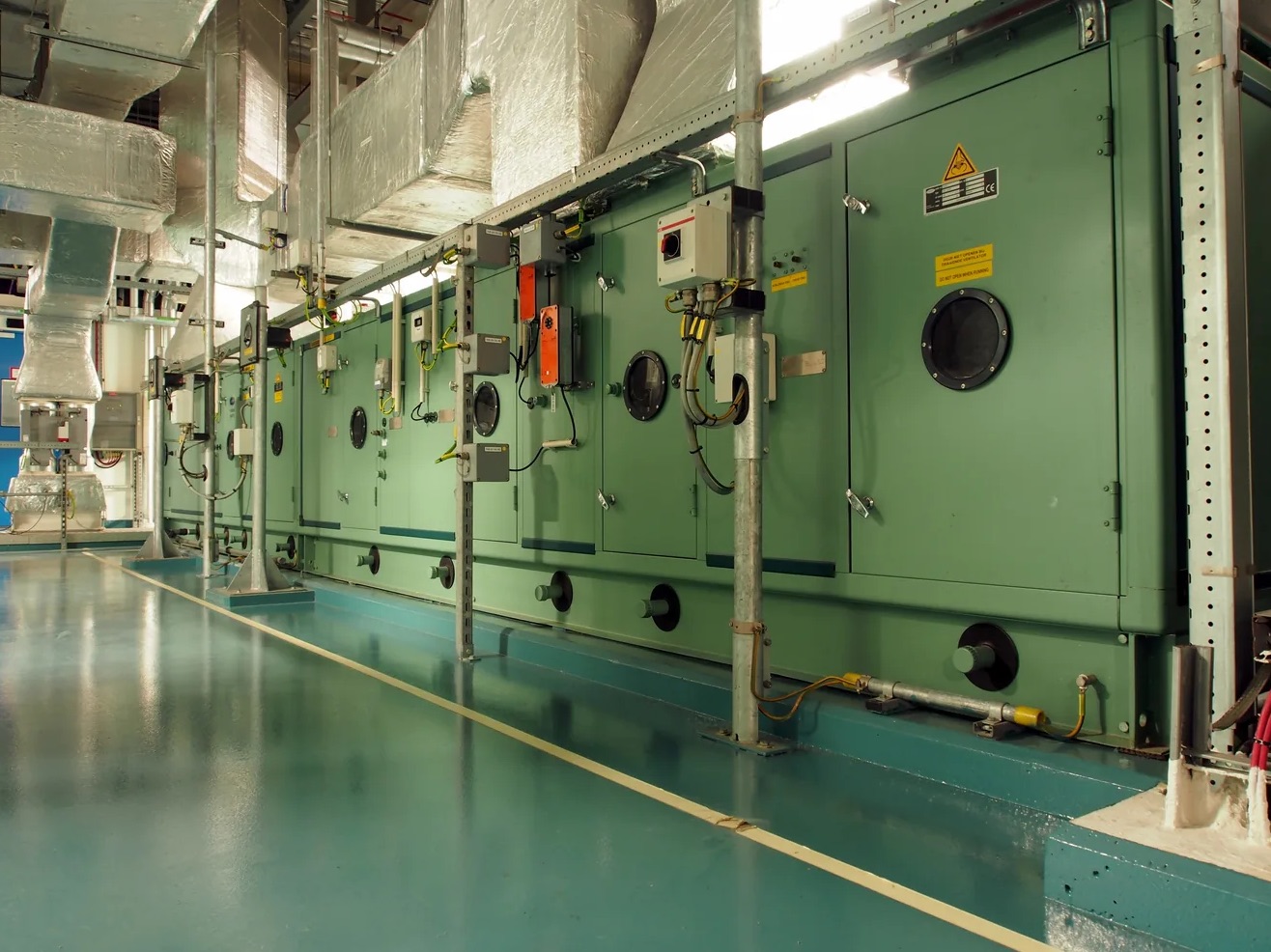
Local AC Unit Water Removal Services in Coupland, Texas
AC Unit Water Removal in Coupland covers the whole leak, from removing standing water to drying wet materials and repairing drywall or trim afterward. Each step depends on how far the water traveled and how long it sat.
Property owners in Coupland can call (512) 726-0989 day or night when an air handler starts leaking. Service also covers Elgin, Taylor and Thrall, with the same extraction, drain clearing and drying process for attic, closet and garage units in houses, condos and apartments.
Complete AC Unit Water Removal and Repair in Coupland
AC Condensate Drain Clearing
Clearing the line stops the overflow at its source. Without it, the pan refills and the leak returns within days.
AC Drain Pan Water Extraction
Both the primary pan and the secondary safety pan are emptied, and the pan is inspected for rust holes or cracks.
Wet AC Unit Component Drying
Wet blower motors, panels and wiring are dried with gentle airflow and dehumidifiers rather than direct heat, which lowers the risk of corrosion and shorts.
AC Leak Mold Prevention
Surfaces that stayed damp, such as framing under the air handler, are treated after drying so leftover spores have less to feed on.
Air Conditioner Restoration Services
Work finishes with cleanup and a check that the unit drains properly, so the leak does not return.
Indicators for Emergency AC Unit Water Removal
AC System Shuts Off
Many units have a float switch that shuts the system off when the pan fills. If the AC stops cooling, check the pan.
Water Stains on Walls
Brown rings or peeling paint on the ceiling under an attic unit, or on walls near the closet, point to a slow leak.
Visible Mold Near AC
Dark spots on drywall or framing near the unit mean the area has stayed wet for days.
Musty Odors From Vents
A musty smell when the AC starts often means standing water in the pan or wet insulation in the ducts.
How AC Unit Water Removal Works in Coupland
Step 1: AC Leak Water Cleanup
Pooled water is removed from around the air handler and from any rooms or ceilings the leak reached.
Step 2: AC Drain Pan Water Extraction
The primary and secondary pans are emptied and checked for cracks, rust holes or a stuck float switch.
Step 3: Component and Structure Drying
Wet panels, framing and subfloor are dried with targeted airflow and dehumidifiers until readings are normal.
Step 4: Documentation and Prevention
Photos and readings are recorded for insurance, and simple drain upkeep tips are shared to prevent a repeat.
Why AC Units Leak and Need Water Removal
Improper AC Unit Installation
A unit that is not level, or a drain line without enough slope, lets water pool instead of draining.
Damaged AC Drain Pan
Metal pans rust through and plastic pans crack with age, letting water drip straight through.
High Static Pressure in Ducts
Restricted ducts can pull water off the coil and blow it into the cabinet or ductwork.
Clogged AC Condensation Line
Algae and sludge build up in the drain line over a cooling season until water backs up into the pan.
Both Residential & Commercial AC Unit Water Removal in Coupland
Residential AC Unit Water Removal
Attic air handlers in houses leak into bedroom and hallway ceilings. The pan is emptied, the ceiling checked with a meter and wet drywall dried or cut out before it sags.
Commercial AC Unit Water Removal
Commercial systems have larger pans and longer drain runs. Clearing the line and drying ceiling tiles and carpet keeps the space open and safe for staff and customers.
The Risks of DIY AC Unit Water Removal in Coupland
DIY works for a small puddle on tile that you catch right away and wipe dry. Wet carpet and pad, or drywall that feels soft, usually need professional extraction and drying equipment to dry fully.
Factors Influencing AC Unit Water Removal Cost in Coupland
Drying equipment is usually billed by the day, so how long materials stay wet matters. Starting quickly in Coupland shortens drying time and lowers the total.
Required Drying Time
Dense materials and enclosed spaces take longer to dry, which means more equipment days.
Affected Component Count
The more of the system that got wet, such as the blower, panels and insulation, the more drying time is needed.
Emergency Service Timing
After-hours and holiday response can cost more than a scheduled weekday visit.
Does Insurance Cover AC Unit Water Removal?
Photos, moisture readings and a written scope from local water damage pros help support an insurance claim for AC water damage in Coupland. Keep copies of everything you send your adjuster, along with your own photos.
Benefits of Local Pros for AC Unit Water Removal in Coupland
Focus on Component Preservation
Wet blower motors and wiring are dried gently to lower the risk of corrosion and electrical faults.
24/7 Emergency Response
Help is available any hour, which matters when an attic unit starts leaking into a ceiling at night.
Systematic Drain Line Clearing
The condensate line is cleared, not just the water mopped up, so the leak does not come right back.
24/7 Emergency AC Unit Water Removal Response in Coupland
Every hour of standing water means more drying later and more materials to replace. Call (512) 726-0989 for AC unit water removal in Coupland as soon as you see the leak.
Call Now (512) 726-0989Local AC Unit Water Removal Coverage for Coupland, Elgin, Taylor and Thrall
Help with AC unit water removal is also available in communities near Coupland, including Elgin, Taylor and Thrall, for leaking air handlers and overflowing drain pans.
- AC Unit Water Removal in Elgin
- AC Unit Water Removal in Taylor
- AC Unit Water Removal in Thrall
- AC Unit Water Removal in Hutto
- AC Unit Water Removal in Manor
- AC Unit Water Removal in Thorndale
- AC Unit Water Removal in Pflugerville
- AC Unit Water Removal in Round Rock
- Emergency Damage Restoration in 78615
- Storm Damage Restoration in 78615
- Water Damage Restoration in 78615
- Water Extraction Service in 78615
- Water Leak Detection in 78615
- Water Removal Service in 78615
Your AC Unit Water Removal Questions Addressed
What clogs an AC condensate line?
Algae, sludge, dust and debris build up inside the line, especially over long cooling seasons, until water backs up into the pan.
What happens during AC water extraction?
Pumps and extractors remove water from the pan, floor and carpet, then moisture meters check walls and subfloor for hidden water.
Why document AC water damage?
Photos and moisture readings show what got wet and how it was dried, which helps your insurance claim.
How does antimicrobial treatment help after an AC leak?
Once surfaces are dry, an antimicrobial can be applied to wood and drywall that stayed wet to slow microbial growth.
Can a wet AC unit be saved after a leak?
Often yes. Components are dried gently and checked, but an HVAC contractor should inspect electrical parts before the unit runs again.