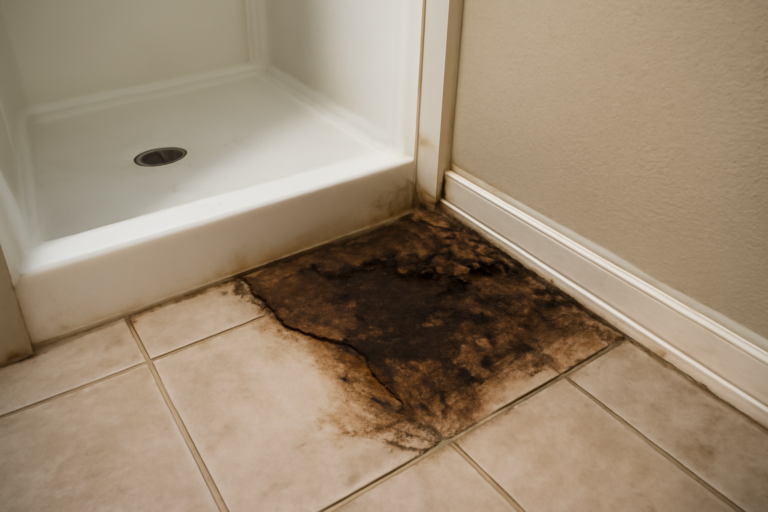
Flood Water Extraction in Your Home: What to Expect
When you walk into your home after a flood, the first thing you notice is the water. It’s everywhere, pooling on the floor, dripping from the ceiling, and seeping into your walls. The sound of dripping water echoes through your halls, and the smell of dampness lingers in the air. It’s a chaotic scene, and you’re not sure where to start. As you survey the damage, you wonder: can you fix this yourself, or do you need to call a pro?
Homeowners in Coupland, TX, and surrounding areas trust our team with their flood water extraction needs. We’ve helped over 165 homeowners like you restore their properties to pre-damage condition. Our commitment to customer satisfaction has earned us a reputation as the go-to team for water damage restoration.
- We’ll extract the water from your home quickly, using specialized equipment to reduce damage and prevent further water intrusion.
- We’ll identify and address the source of the flood, so you can prevent future water damage.
- We’ll work with your insurance company to ensure a smooth claims process and get you back to normal as soon as possible.
How Our Flood Water Extraction Process Works
Flood water extraction is a complex process that needs specialized equipment and techniques. Our team will assess the damage, identify the source of the flood, and develop a customized plan to extract the water and dry out your property. This process typically involves the use of industrial-grade pumps, wet/dry vacuums, and moisture detection equipment to ensure that every last drop of water is removed.
Step 1: Assessment and Planning
Our team will assess the damage and identify the source of the flood. We’ll develop a customized plan to extract the water and dry out your property, taking into account any unique challenges or concerns.
Step 2: Water Extraction
We’ll use industrial-grade pumps and wet/dry vacuums to extract the water from your home. Our equipment is designed to remove water quickly and efficiently, reducing the risk of further damage.
Step 3: Drying and Dehumidification
Once the water is extracted, we’ll use specialized equipment to dry out your property. This includes the use of dehumidifiers and air movers to remove excess moisture and prevent mold growth.
Step 4: Moisture Detection and Assessment
We’ll use moisture detection equipment to identify any remaining moisture in your walls, floors, and ceilings. This ensures that every last drop of water is removed and helps prevent future water damage.
Step 5: Final Inspection and Clean-up
Once the drying process is complete, we’ll conduct a final inspection to ensure that your property is completely dry and free of moisture. We’ll also clean up any debris or mess left behind.
Don’t wait until the damage is worse. Contact us today to schedule an assessment and get started on the road to recovery.

Warning Signs You Need Flood Water Extraction
Ignoring these warning signs can lead to costly repairs and even health hazards. Don’t wait until it’s too late, address the issue immediately.
Musty Odors That Won’t Go Away
Strong, unpleasant odors that linger in your home, even after cleaning, can be a sign of high levels of moisture. This can lead to mold growth, which can cause serious health problems.
Water Stains on Walls and Ceilings
Discoloration or staining on your walls and ceilings can be a sign of water damage. This can lead to costly repairs and even compromise the structural integrity of your home.
Warped or Buckled Flooring
Warped or buckled flooring can be a sign of water damage, particularly if it’s accompanied by a musty smell. This can lead to further damage and even create safety hazards.
Peeling Paint or Wallpaper
Peeling paint or wallpaper can be a sign of water damage, particularly if it’s accompanied by a musty smell. This can lead to further damage and even compromise the aesthetic appeal of your home.
Visible Water Damage on Furniture and Belongings
Visible water damage on furniture, electronics, and other belongings can be a sign of a larger issue. This can lead to costly repairs and even compromise the functionality of your belongings.
High Humidity Levels
High humidity levels in your home can lead to mold growth, warping, and other forms of water damage. This can compromise the structural integrity of your home and even create health hazards.
Flood Water Extraction vs. DIY: When to Call a Professional
| Situation | DIY? | Call a Pro? | Why |
|---|---|---|---|
| Water damage is extensive, covering large areas of your home. | No | Yes | DIY can’t handle the volume of water, and improper extraction can lead to further damage. |
| Water is contaminated with sewage, chemicals, or other hazardous materials. | No | Yes | DIY can’t handle contaminated water safely, and improper handling can lead to health hazards. |
| Water damage is hidden behind walls, under flooring, or in ceilings. | No | Yes | DIY can’t access or identify hidden water damage, and improper repair can lead to further damage. |
| Water damage is accompanied by structural issues, such as bowing walls or a sagging ceiling. | No | Yes | DIY can’t address structural issues safely, and improper repair can lead to catastrophic failures. |
| Water damage is caused by a burst pipe or other sudden event. | Maybe | Yes | DIY might work for small, contained areas, but a sudden event can cause extensive damage needing professional help. |
| Water damage is minor, contained to a small area, and caused by a slow leak. | Yes | No | DIY can handle minor, contained damage safely, but be cautious and monitor the situation closely. |
While DIY might seem like a cost-effective option for minor water damage, it’s essential to consider the potential risks and consequences. Professional help ensures that the damage is addressed correctly, and your home is safe and secure.
Flood Water Extraction Cost in Coupland, TX
The cost of flood water extraction can vary widely depending on the severity of the damage, the size of the affected area, and local conditions in Coupland, TX. Our team will provide a customized estimate based on your unique situation.
| Service | Typical Price Range | What Affects Cost |
|---|---|---|
| Initial Assessment and Planning | $500 – $2,000 | Severity of damage, size of affected area, and local conditions |
| Water Extraction | $1,000 – $5,000 | Volume of water, equipment needed, and labor costs |
| Drying and Dehumidification | $1,500 – $6,000 | Equipment needed, labor costs, and duration of process |
| Moisture Detection and Assessment | $1,000 – $3,000 | Equipment needed, labor costs, and complexity of assessment |
| Final Inspection and Clean-up | $500 – $2,000 | Labor costs, equipment needed, and complexity of clean-up |
Exact pricing will depend on an on-site assessment by one of our experienced technicians. We offer free estimates and are happy to discuss your specific situation with you.
Service Areas Near Coupland, TX
We serve the following nearby communities: Granger, Lockhart, Luling, Martindale, Niederwald, San Marcos, Sutherland Springs, Kyle, Lockhart, Maxwell, Red Rock, Smiley, Elm Grove, Uhland, Maxwell.
Common Questions About Flood Water Extraction
Q: Is flood water extraction a covered expense under my homeowners insurance policy?
A: Yes, flood water extraction is typically covered under a standard homeowners insurance policy. But, coverage and deductibles may vary depending on your policy and provider. Our team will work with your insurance company to ensure a smooth claims process.
Q: How long does the flood water extraction process take?
A: The duration of the process depends on the severity of the damage, the size of the affected area, and the complexity of the job. Our team will provide a customized timeline and updates throughout the process.
Q: Can I handle flood water extraction myself, or do I need professional help?
A: While DIY might seem like a cost-effective option for minor water damage, it’s essential to consider the potential risks and consequences. Professional help ensures that the damage is addressed correctly, and your home is safe and secure.
Q: What causes most flood water extraction jobs in Coupland, TX?
A: The most common causes of flood water extraction jobs in Coupland, TX, include burst pipes, appliance malfunctions, and heavy rainfall. Regular maintenance and inspections can help prevent these issues and reduce the risk of flood water damage.
Q: How can I prevent flood water damage in my home?
A: Regular maintenance and inspections can help prevent flood water damage. This includes checking for signs of water damage, inspecting pipes and appliances, and addressing any issues quickly. Our team can provide a customized maintenance plan to help you stay ahead of potential problems.